
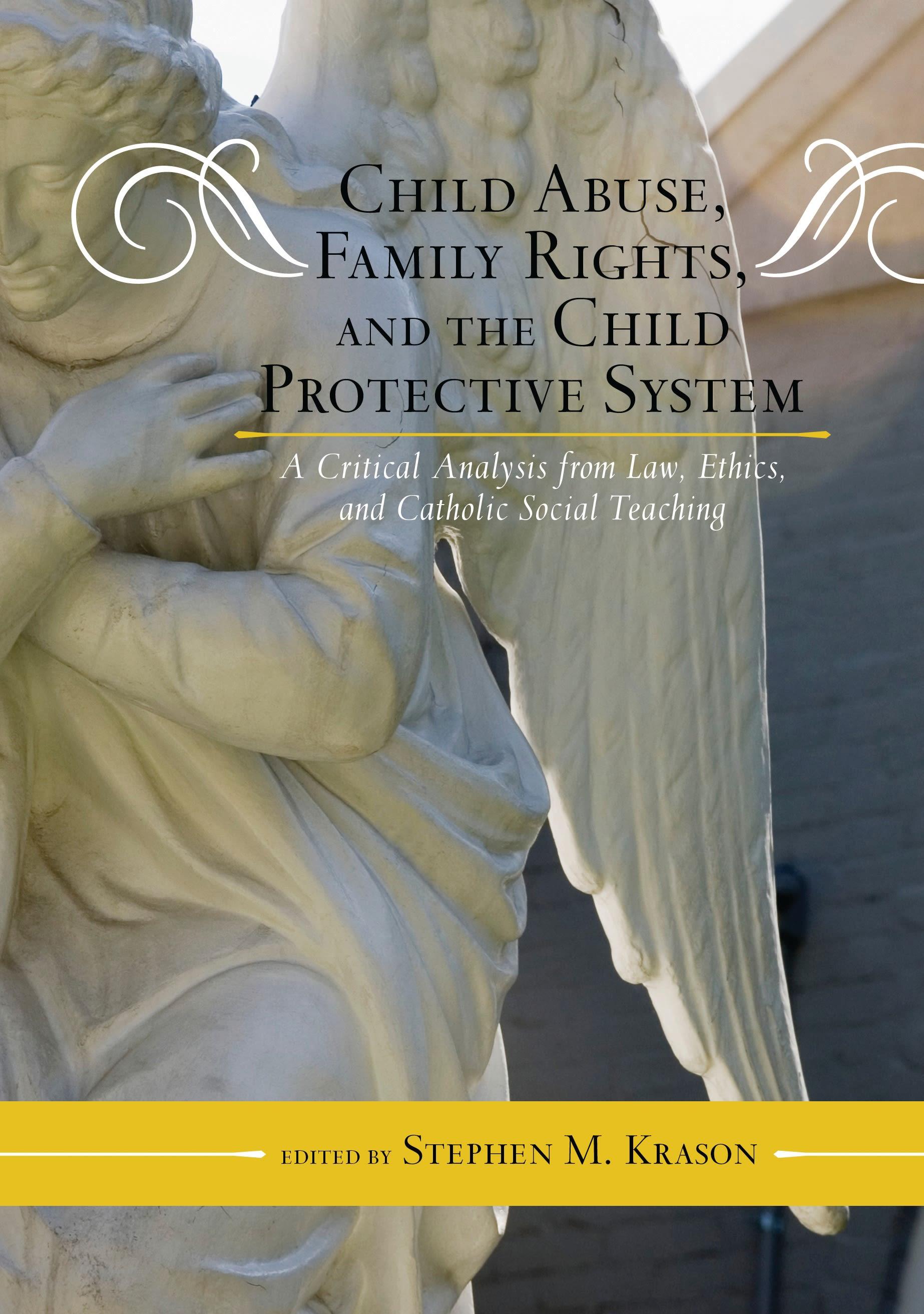
The child protective system (CPS), shaped by federal law forty years ago and run on the state and county levels in the United States, offered in utopian fashion the hope of preventing all possible child abuse or neglect. In response, legislators enacted a spate of vague laws that poorly defined such categories as “abuse” and “neglect,” and granted the CPS sweeping powers to intrude into families, often on the basis of nothing more than anonymous complaints about standard childrearing practices. This arrangement, which followed from the questionable assertion of the existence of a crisis of child abuse and neglect, became the basis in theory for the universal monitoring of American families that has resulted in the sharp curtailing of parental rights and responsibilities. With overreaching by local and state governments into family affairs, the current CPS has not only damaged untold numbers of families but also undercut the legitimacy of parental authority through the continuous threat to parents of child removal.
In Child Abuse, Family Rights, and the Child Protective System: A Critical Analysis from Law, Ethics, and Catholic Social Teaching, Stephen M. Krason gathers essays by leading scholars and practitioners to comment through the prism of Catholic social thought, on the plight afflicting American families and the role of the child protective system. Here readers will find critical essays on the deleterious effect of the1974 passage of the Child Abuse Prevention and Treatment Act; assessments of current American policies on child abuse and neglect and the role of the CPS within the context of prevailing international human rights principles and Catholic social teaching; a survey of the enforcement of CPS policies from a legal and constitutional perspective; research data disputing the CPS principle that all parents are potential abusers and illustrating the greater prevalence of abuse and neglect in broken, “blended,” and “untraditional” families; and arguments for poverty and unemployment as the prime culprits in the mistreatment of children. Also included are the amicus curiae briefs that the Society of Catholic Social Scientists submitted in two U.S. Supreme Court cases on parental rights, the CPS, and state control over the family.
Child Abuse, Family Rights, and the Child Protective System should appeal to a variety of professionals as well as scholars, from family court attorneys, social workers, family counselors, and clergy to researchers in the fields of social work, law, family studies, American politics, sociology, human services, counseling and psychology, and education, as well as public officials.
In Child Abuse, Family Rights, and the Child Protective System: A Critical Analysis from Law, Ethics, and Catholic Social Teaching, Stephen M. Krason gathers essays by leading scholars and practitioners to comment through the prism of Catholic social thought, on the plight afflicting American families and the role of the child protective system. Here readers will find critical essays on the deleterious effect of the1974 passage of the Child Abuse Prevention and Treatment Act; assessments of current American policies on child abuse and neglect and the role of the CPS within the context of prevailing international human rights principles and Catholic social teaching; a survey of the enforcement of CPS policies from a legal and constitutional perspective; research data disputing the CPS principle that all parents are potential abusers and illustrating the greater prevalence of abuse and neglect in broken, “blended,” and “untraditional” families; and arguments for poverty and unemployment as the prime culprits in the mistreatment of children. Also included are the amicus curiae briefs that the Society of Catholic Social Scientists submitted in two U.S. Supreme Court cases on parental rights, the CPS, and state control over the family.
Child Abuse, Family Rights, and the Child Protective System should appeal to a variety of professionals as well as scholars, from family court attorneys, social workers, family counselors, and clergy to researchers in the fields of social work, law, family studies, American politics, sociology, human services, counseling and psychology, and education, as well as public officials.
Zahle einfach mit Karte, Klarna, Apple Pay oder Google Pay. Nicht zufrieden? Du hast immer ein 14-tägiges Widerrufsrecht. Lies mehr in unseren AGB. Hast du Fragen, schreib uns eine E-Mail an hello@memmo.org.
Memmo macht das Lernen einfacher – wo auch immer du bist. Bei uns findest du deine Kursbücher und smarte Lerntools an einem Ort: Zusammenfassungen, Quizzes, Podcasts und Lernkarten. Und Ted, dein Lernbuddy, beantwortet alles, was du wissen möchtest. Über 50.000 Studierende lernen bereits hier – gemacht, damit du schneller lernst und weniger Stress hast.