
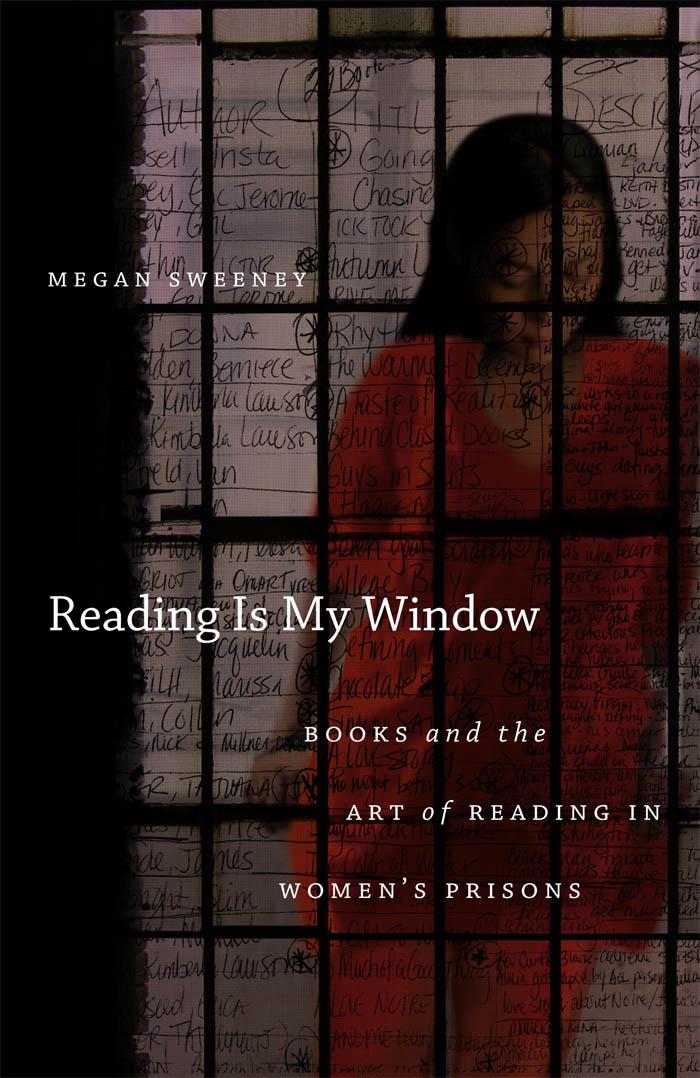
Drawing on extensive interviews with ninety-four women prisoners, Megan Sweeney examines how incarcerated women use available reading materials to come to terms with their pasts, negotiate their present experiences, and reach toward different futures.
Foregrounding the voices of African American women, Sweeney analyzes how prisoners read three popular genres: narratives of victimization, urban crime fiction, and self-help books. She outlines the history of reading and education in U.S. prisons, highlighting how the increasing dehumanization of prisoners has resulted in diminished prison libraries and restricted opportunities for reading. Although penal officials have sometimes endorsed reading as a means to control prisoners, Sweeney illuminates the resourceful ways in which prisoners educate and empower themselves through reading. Given the scarcity of counseling and education in prisons, women use books to make meaning from their experiences, to gain guidance and support, to experiment with new ways of being, and to maintain connections with the world.
Zahle einfach mit Karte, Klarna, Apple Pay oder Google Pay. Nicht zufrieden? Du hast immer ein 14-tägiges Widerrufsrecht. Lies mehr in unseren AGB. Hast du Fragen, schreib uns eine E-Mail an hello@memmo.org.
Memmo macht das Lernen einfacher – wo auch immer du bist. Bei uns findest du deine Kursbücher und smarte Lerntools an einem Ort: Zusammenfassungen, Quizzes, Podcasts und Lernkarten. Und Ted, dein Lernbuddy, beantwortet alles, was du wissen möchtest. Über 50.000 Studierende lernen bereits hier – gemacht, damit du schneller lernst und weniger Stress hast.