
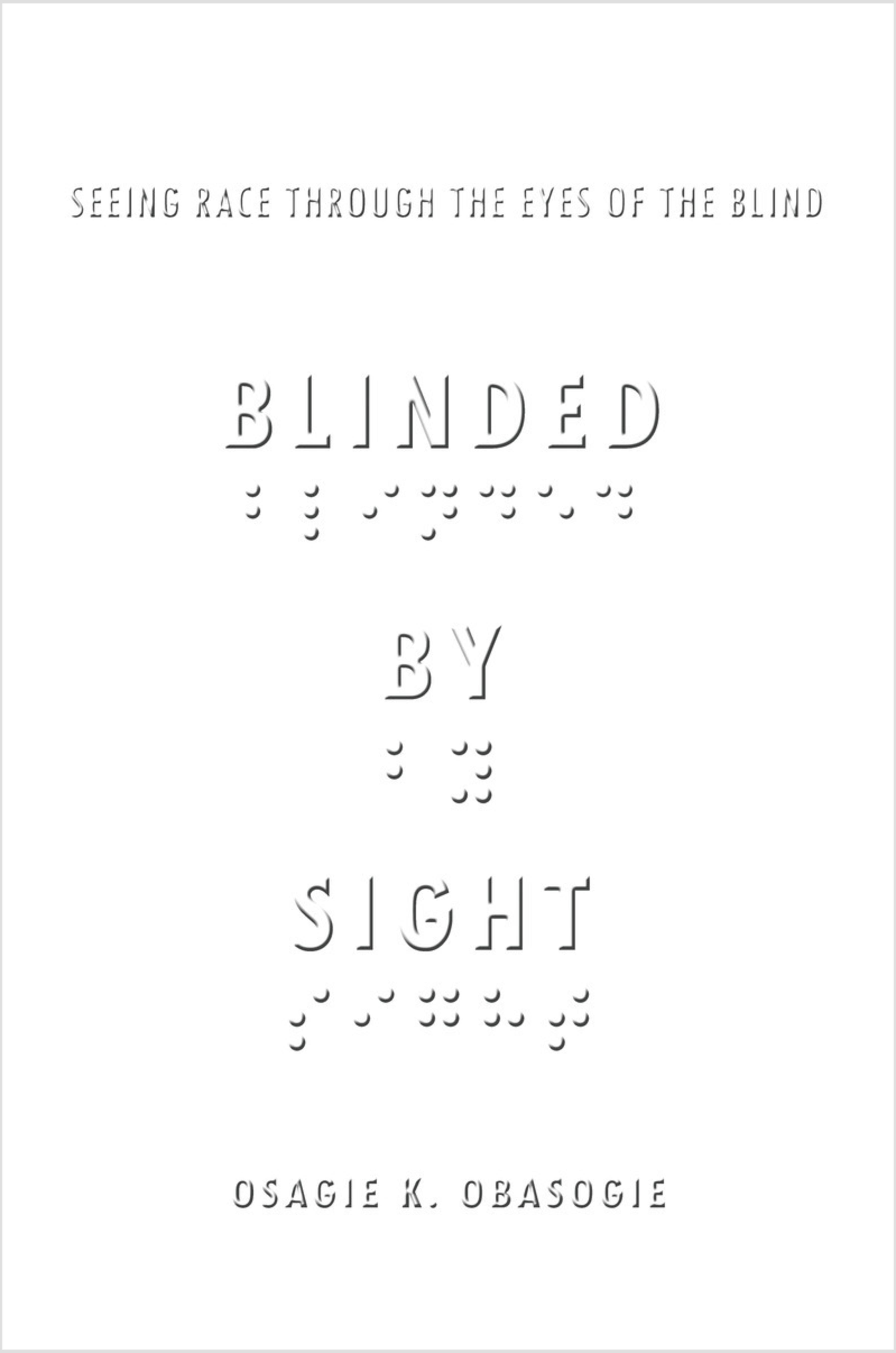
Colorblindness has become an integral part of the national conversation on race in America. Given the assumptions behind this influential metaphor—that being blind to race will lead to racial equality—it's curious that, until now, we have not considered if or how the blind "see" race. Most sighted people assume that the answer is obvious: they don't, and are therefore incapable of racial bias—an example that the sighted community should presumably follow. In Blinded by Sight,Osagie K. Obasogie shares a startling observation made during discussions with people from all walks of life who have been blind since birth: even the blind aren't colorblind—blind people understand race visually, just like everyone else. Ask a blind person what race is, and they will more than likely refer to visual cues such as skin color. Obasogie finds that, because blind people think about race visually, they orient their lives around these understandings in terms of who they are friends with, who they date, and much more.
In Blinded by Sight, Obasogie argues that rather than being visually obvious, both blind and sighted people are socialized to see race in particular ways, even to a point where blind people "see" race. So what does this mean for how we live and the laws that govern our society? Obasogie delves into these questions and uncovers how color blindness in law, public policy, and culture will not lead us to any imagined racial utopia.
Zahle einfach mit Karte, Klarna, Apple Pay oder Google Pay. Nicht zufrieden? Du hast immer ein 14-tägiges Widerrufsrecht. Lies mehr in unseren AGB. Hast du Fragen, schreib uns eine E-Mail an hello@memmo.org.
Memmo macht das Lernen einfacher – wo auch immer du bist. Bei uns findest du deine Kursbücher und smarte Lerntools an einem Ort: Zusammenfassungen, Quizzes, Podcasts und Lernkarten. Und Ted, dein Lernbuddy, beantwortet alles, was du wissen möchtest. Über 50.000 Studierende lernen bereits hier – gemacht, damit du schneller lernst und weniger Stress hast.