
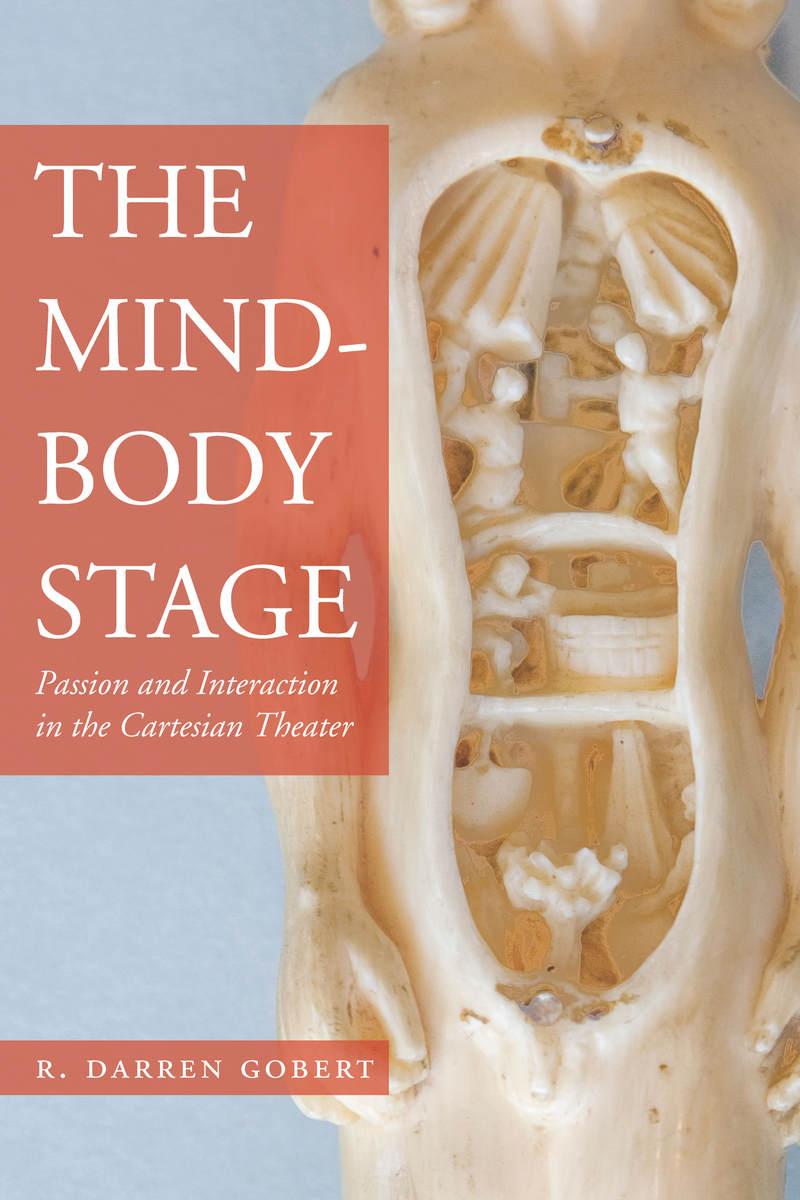
Descartes's notion of subjectivity changed the way characters would be written, performed by actors, and received by audiences. His coordinate system reshaped how theatrical space would be conceived and built. His theory of the passions revolutionized our understanding of the emotional exchange between spectacle and spectators. Yet theater scholars have not seen Descartes's transformational impact on theater history. Nor have philosophers looked to this history to understand his reception and impact. After Descartes, playwrights put Cartesian characters on the stage and thematized their rational workings. Actors adapted their performances to account for new models of subjectivity and physiology. Critics theorized the theater's emotional and ethical benefits in Cartesian terms. Architects fostered these benefits by altering their designs.
The Mind-Body Stage provides a dazzlingly original picture of one of the most consequential and confusing periods in the histories of modern theater and philosophy. Interdisciplinary and comparatist in scope, it uses methodological techniques from literary study, philosophy, theater history, and performance studies and draws on scores of documents (including letters, libretti, religious jeremiads, aesthetic treatises, and architectural plans) from several countries.
Zahle einfach mit Karte, Klarna, Apple Pay oder Google Pay. Nicht zufrieden? Du hast immer ein 14-tägiges Widerrufsrecht. Lies mehr in unseren AGB. Hast du Fragen, schreib uns eine E-Mail an hello@memmo.org.
Memmo macht das Lernen einfacher – wo auch immer du bist. Bei uns findest du deine Kursbücher und smarte Lerntools an einem Ort: Zusammenfassungen, Quizzes, Podcasts und Lernkarten. Und Ted, dein Lernbuddy, beantwortet alles, was du wissen möchtest. Über 50.000 Studierende lernen bereits hier – gemacht, damit du schneller lernst und weniger Stress hast.