
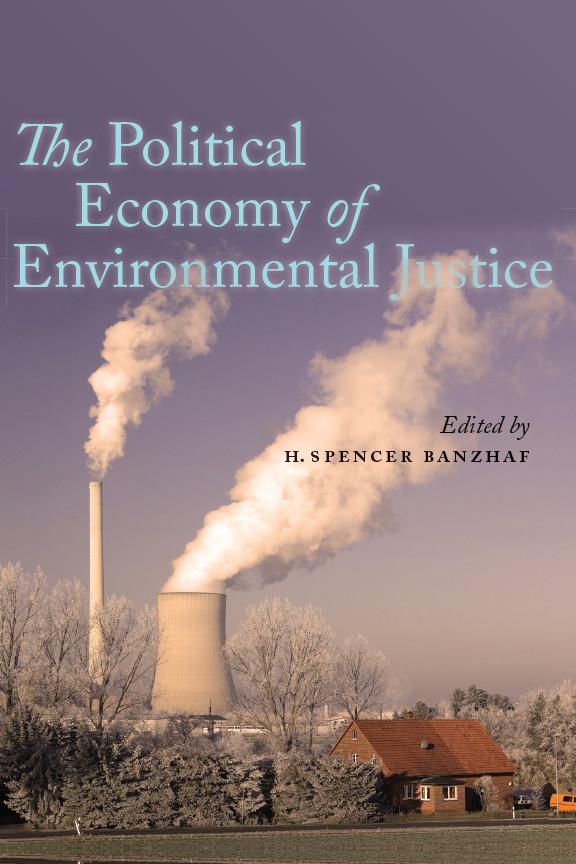
The environmental justice literature convincingly shows that poor people and minorities live in more polluted neighborhoods than do other groups. These findings have sparked a broad activist movement, numerous local lawsuits, and several federal policy reforms.
Despite the importance of environmental justice, the topic has received little attention from economists. And yet, economists have much to contribute, as several explanations for the correlation between pollution and marginalized citizens rely on market mechanisms. Understanding the role of these mechanisms is crucial to designing policy remedies, for each lends itself to a different interpretation to the locus of injustices. Moreover, the different mechanisms have varied implications for the efficacy of policy responses—and who gains and loses from them.
In the first book-length examination of environmental justice from the perspective of economics, a cast of top contributors evaluates why underprivileged citizens are overexposed to toxic environments and what policy can do to help. While the text engages economic methods, it is written for an interdisciplinary audience.
Zahle einfach mit Karte, Klarna, Apple Pay oder Google Pay. Nicht zufrieden? Du hast immer ein 14-tägiges Widerrufsrecht. Lies mehr in unseren AGB. Hast du Fragen, schreib uns eine E-Mail an hello@memmo.org.
Memmo macht das Lernen einfacher – wo auch immer du bist. Bei uns findest du deine Kursbücher und smarte Lerntools an einem Ort: Zusammenfassungen, Quizzes, Podcasts und Lernkarten. Und Ted, dein Lernbuddy, beantwortet alles, was du wissen möchtest. Über 50.000 Studierende lernen bereits hier – gemacht, damit du schneller lernst und weniger Stress hast.