
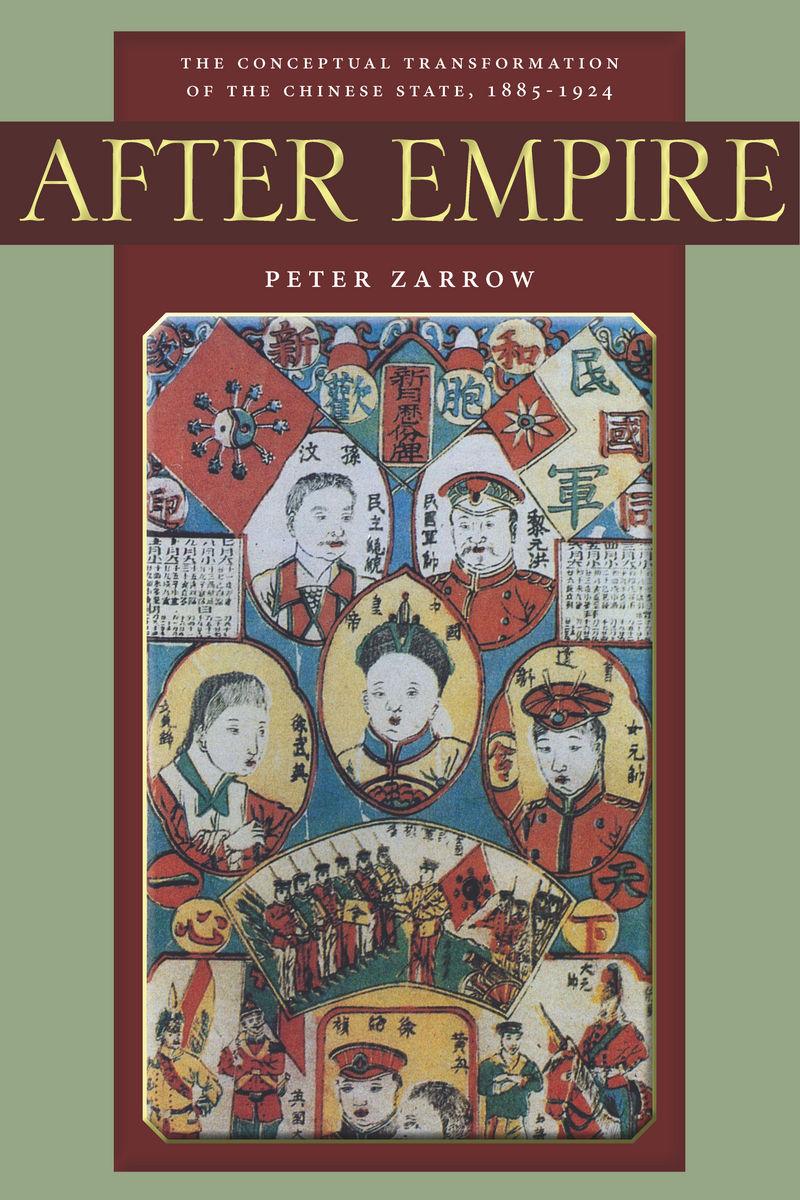
From 1885–1924, China underwent a period of acute political struggle and cultural change, brought on by a radical change in thought: after over 2,000 years of monarchical rule, the Chinese people stopped believing in the emperor. These forty years saw the collapse of Confucian political orthodoxy and the struggle among competing definitions of modern citizenship and the state. What made it possible to suddenly imagine a world without the emperor?
After Empire traces the formation of the modern Chinese idea of the state through the radical reform programs of the late Qing (1885–1911), the Revolution of 1911, and the first years of the Republic through the final expulsion of the last emperor of the Qing from the Forbidden City in 1924. It contributes to longstanding debates on modern Chinese nationalism by highlighting the evolving ideas of major political thinkers and the views reflected in the general political culture.
Zarrow uses a wide range of sources to show how "statism" became a hegemonic discourse that continues to shape China today. Essential to this process were the notions of citizenship and sovereignty, which were consciously adopted and modified from Western discourses on legal theory and international state practices on the basis of Chinese needs and understandings. This text provides fresh interpretations and keen insights into China's pivotal transition from dynasty to republic.
Zahle einfach mit Karte, Klarna, Apple Pay oder Google Pay. Nicht zufrieden? Du hast immer ein 14-tägiges Widerrufsrecht. Lies mehr in unseren AGB. Hast du Fragen, schreib uns eine E-Mail an hello@memmo.org.
Memmo macht das Lernen einfacher – wo auch immer du bist. Bei uns findest du deine Kursbücher und smarte Lerntools an einem Ort: Zusammenfassungen, Quizzes, Podcasts und Lernkarten. Und Ted, dein Lernbuddy, beantwortet alles, was du wissen möchtest. Über 50.000 Studierende lernen bereits hier – gemacht, damit du schneller lernst und weniger Stress hast.