
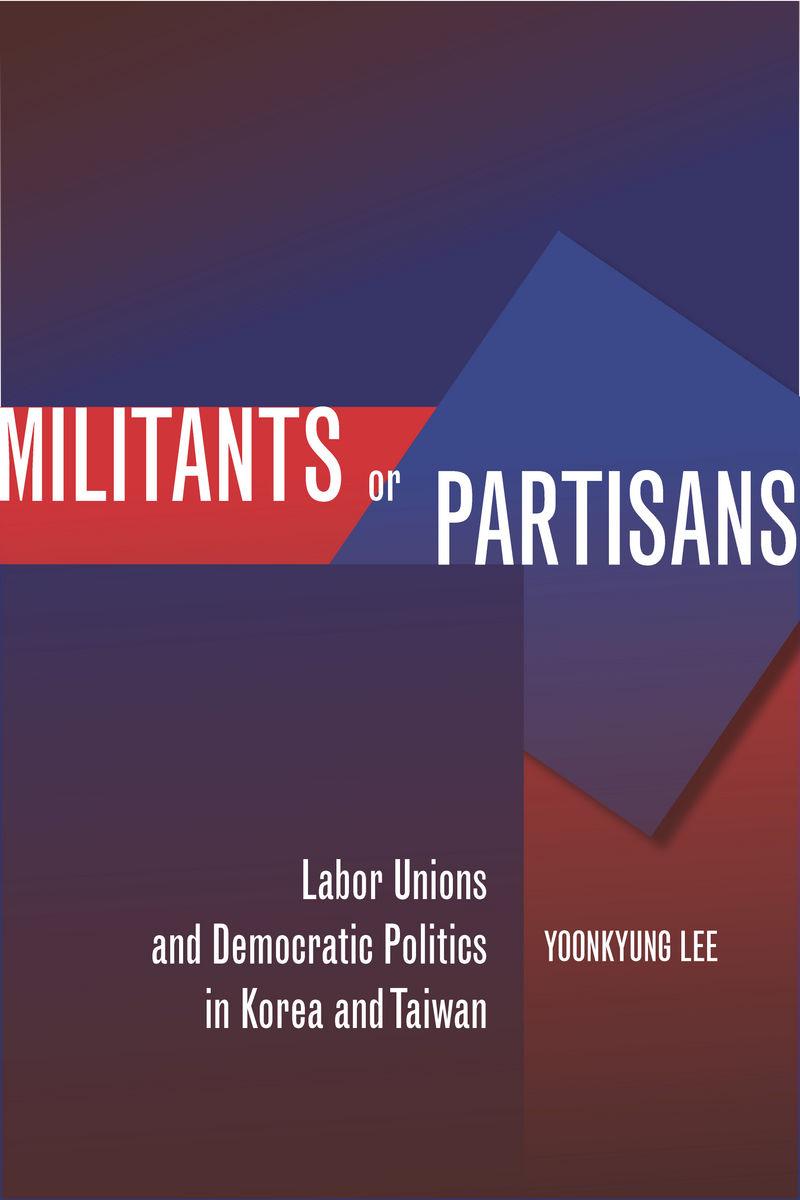
The exceptional experiences of South Korea and Taiwan in combining high growth and liberal democracy in a relatively short and similar timetable have brought scholarly attention to their economic and political transformations. This new work looks specifically at the operation of workers and unions in the decades since labor-repressive authoritarian rule ended, bringing Taiwan, in particular, into the literature on comparative labor politics.
South Korean labor unions are commonly described as militant and confrontational, for they often take to the streets in raucous protest. Taiwanese unions are seen as moderate and practical, primarily working through formal political processes to lobby their agendas. In exploring how and why these post-democratization states have come to breed such different types of labor politics, Yoonkyung Lee traces the roots of their differences to how unions and political parties operated under authoritarianism, and points to ways in which those legacies continue to be perpetuated. By pairing two cases with many similarities, Lee persuasively uncovers factors that explain the significant variation at play.
Zahle einfach mit Karte, Klarna, Apple Pay oder Google Pay. Nicht zufrieden? Du hast immer ein 14-tägiges Widerrufsrecht. Lies mehr in unseren AGB. Hast du Fragen, schreib uns eine E-Mail an hello@memmo.org.
Memmo macht das Lernen einfacher – wo auch immer du bist. Bei uns findest du deine Kursbücher und smarte Lerntools an einem Ort: Zusammenfassungen, Quizzes, Podcasts und Lernkarten. Und Ted, dein Lernbuddy, beantwortet alles, was du wissen möchtest. Über 50.000 Studierende lernen bereits hier – gemacht, damit du schneller lernst und weniger Stress hast.