
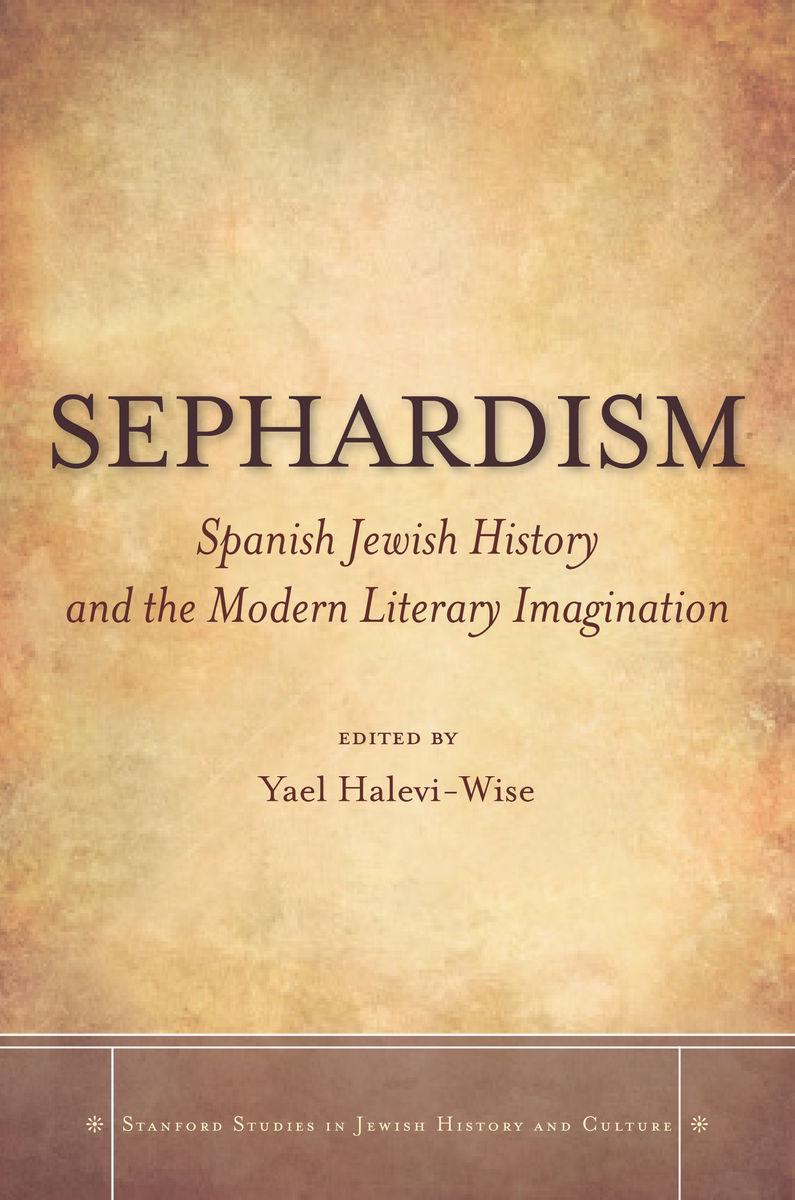
In this book, Sephardism is defined not as an expression of Sephardic identity but as a politicized literary metaphor. Since the nineteenth century, this metaphor has occurred with extraordinary frequency in works by authors from a variety of ethnicities, religions, and nationalities in Europe, the Americas, North Africa, Israel, and even India.
Sephardism asks why Gentile and Jewish writers and cultural figures have chosen to draw upon the medieval Sephardic experience to express their concerns about dissidents and minorities in modern nations? To what extent does their use of Sephardism overlap with other politicized discourses such as orientalism, hispanism, and medievalism, which also emerged from a clash between authoritarian, progressive, and romantic ideologies? This book brings a new approach to Sephardic Studies by situating it at a crossroads between Jewish Studies and Hispanic Studies in ways that enhance our appreciation of how historical fiction and political history have shaped, and were shaped by, historical attitudes toward Jews and their representation.
Zahle einfach mit Karte, Klarna, Apple Pay oder Google Pay. Nicht zufrieden? Du hast immer ein 14-tägiges Widerrufsrecht. Lies mehr in unseren AGB. Hast du Fragen, schreib uns eine E-Mail an hello@memmo.org.
Memmo macht das Lernen einfacher – wo auch immer du bist. Bei uns findest du deine Kursbücher und smarte Lerntools an einem Ort: Zusammenfassungen, Quizzes, Podcasts und Lernkarten. Und Ted, dein Lernbuddy, beantwortet alles, was du wissen möchtest. Über 50.000 Studierende lernen bereits hier – gemacht, damit du schneller lernst und weniger Stress hast.