
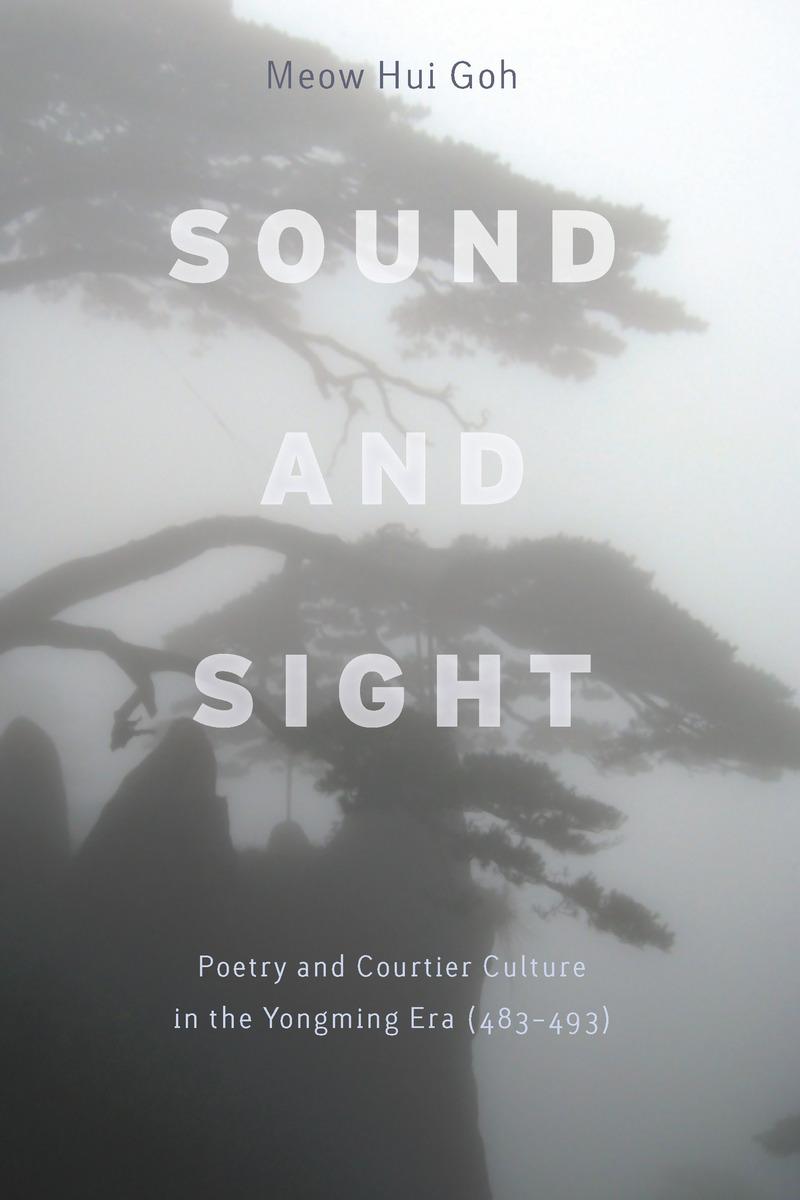
This is the first book to examine Chinese poetry and courtier culture using the concept of shengse—sound and sight—which connotes "sensual pleasure." Under the moral and political imperative to avoid or even eliminate representations of sense perception, premodern Chinese commentators treated overt displays of artistry with great suspicion, and their influence is still alive in modern and contemporary constructions of literary and cultural history.
The Yongming poets, who openly extolled "sound and rhymes," have been deemed the main instigators of a poetic trend toward the sensual. Situating them within the court milieu of their day, Meow Hui Goh asks a simple question: What did shengse mean to the Yongming poets? By unraveling the aural and visual experiences encapsulated in their poems, she argues that their pursuit of "sound and sight" reveals a complex confluence of Buddhist influence, Confucian value, and new sociopolitical conditions. Her study challenges the old perception of the Yongming poets and the common practice of reading classical Chinese poems for semantic meaning only.
Zahle einfach mit Karte, Klarna, Apple Pay oder Google Pay. Nicht zufrieden? Du hast immer ein 14-tägiges Widerrufsrecht. Lies mehr in unseren AGB. Hast du Fragen, schreib uns eine E-Mail an hello@memmo.org.
Memmo macht das Lernen einfacher – wo auch immer du bist. Bei uns findest du deine Kursbücher und smarte Lerntools an einem Ort: Zusammenfassungen, Quizzes, Podcasts und Lernkarten. Und Ted, dein Lernbuddy, beantwortet alles, was du wissen möchtest. Über 50.000 Studierende lernen bereits hier – gemacht, damit du schneller lernst und weniger Stress hast.