
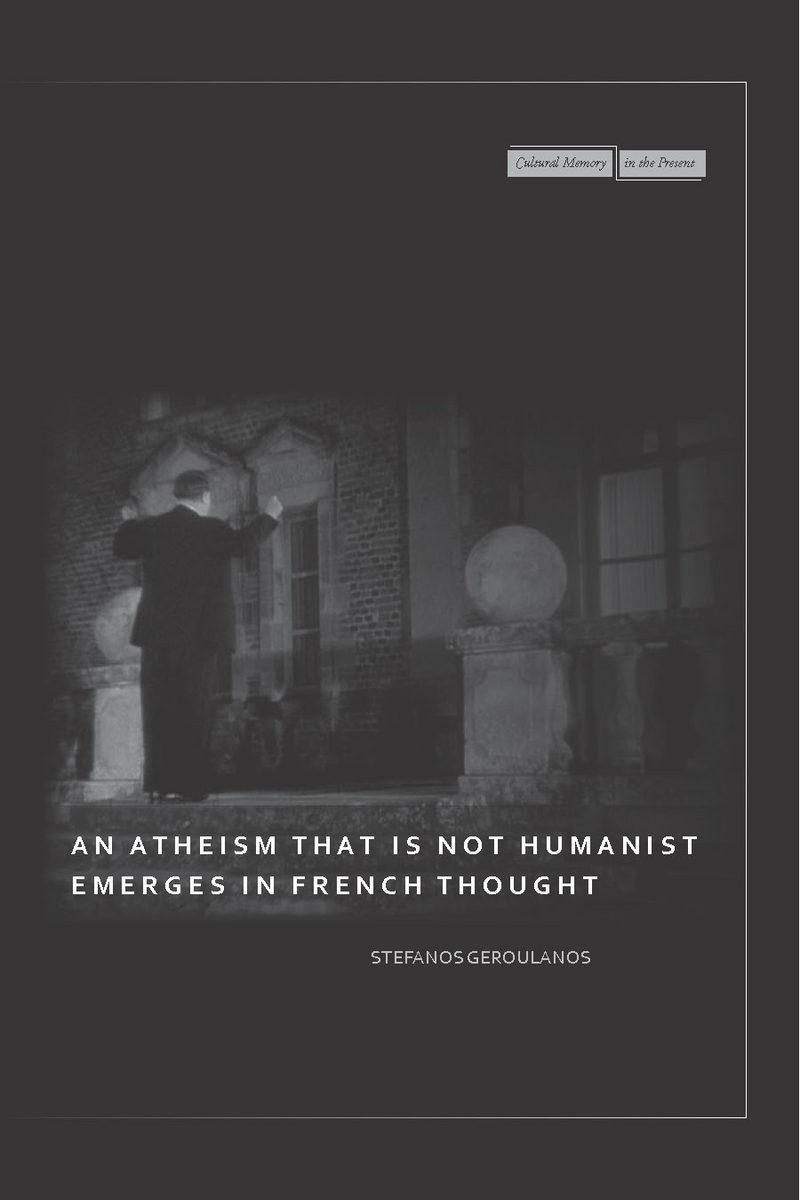
French philosophy changed dramatically in the second quarter of the twentieth century. In the wake of World War I and, later, the Nazi and Soviet disasters, major philosophers such as Kojève, Levinas, Heidegger, Koyré, Sartre, Merleau-Ponty, and Hyppolite argued that man could no longer fill the void left by the "death of God" without also calling up the worst in human history and denigrating the dignity of the human subject. In response, they contributed to a new belief that man should no longer be viewed as the basis for existence, thought, and ethics; rather, human nature became dependent on other concepts and structures, including Being, language, thought, and culture. This argument, which was to be paramount for existentialism and structuralism, came to dominate postwar thought. This intellectual history of these developments argues that at their heart lay a new atheism that rejected humanism as insufficient and ultimately violent.
Zahle einfach mit Karte, Klarna, Apple Pay oder Google Pay. Nicht zufrieden? Du hast immer ein 14-tägiges Widerrufsrecht. Lies mehr in unseren AGB. Hast du Fragen, schreib uns eine E-Mail an hello@memmo.org.
Memmo macht das Lernen einfacher – wo auch immer du bist. Bei uns findest du deine Kursbücher und smarte Lerntools an einem Ort: Zusammenfassungen, Quizzes, Podcasts und Lernkarten. Und Ted, dein Lernbuddy, beantwortet alles, was du wissen möchtest. Über 50.000 Studierende lernen bereits hier – gemacht, damit du schneller lernst und weniger Stress hast.