
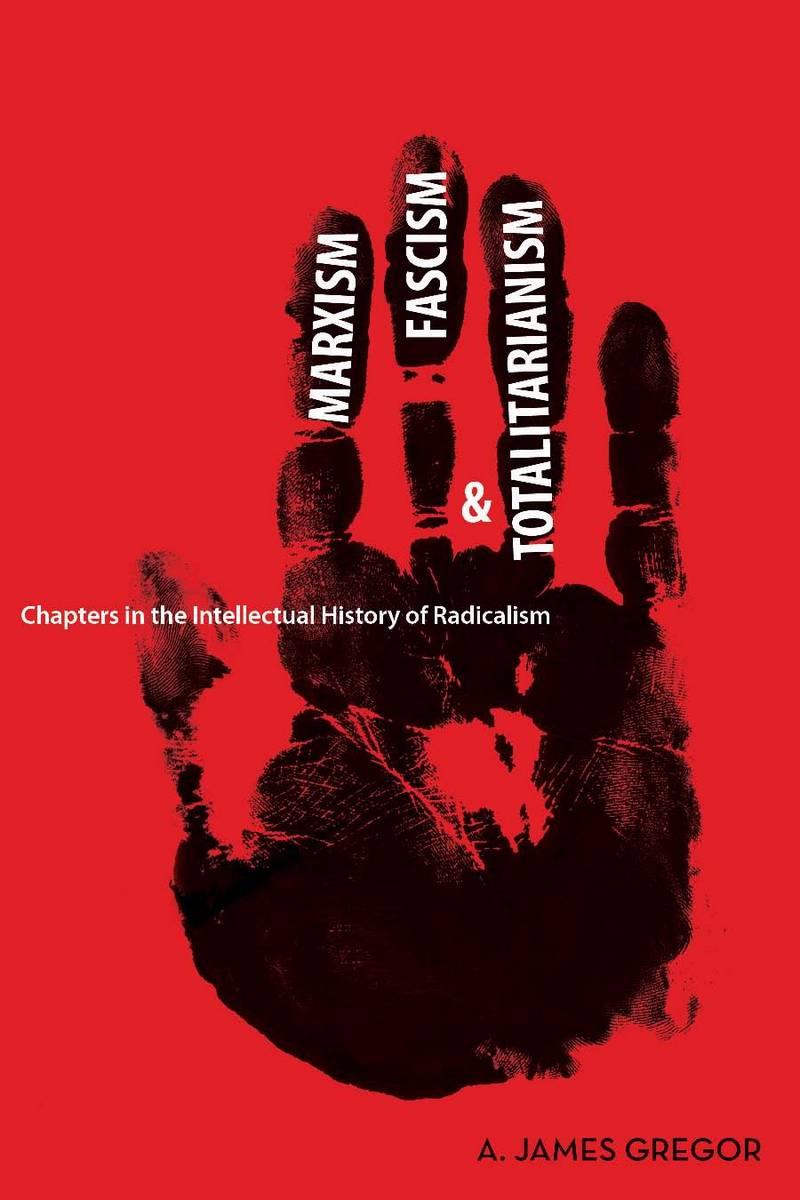
This work traces the changes in classical Marxism (the Marxism of Karl Marx and Friedrich Engels) that took place after the death of its founders. It outlines the variants that appeared around the turn of the twentieth century—one of which was to be of influence among the followers of Adolf Hitler, another of which was to shape the ideology of Benito Mussolini, and still another of which provided the doctrinal rationale for V. I. Lenin's Bolshevism and Joseph Stalin's communism. This account differs from many others by rejecting a traditional left/right distinction—a distinction that makes it difficult to understand how totalitarian political institutions could arise out of presumably diametrically opposed political ideologies. Marxism, Fascism, and Totalitarianism thus helps to explain the common features of "left-wing" and "right-wing" regimes in the twentieth century.
Zahle einfach mit Karte, Klarna, Apple Pay oder Google Pay. Nicht zufrieden? Du hast immer ein 14-tägiges Widerrufsrecht. Lies mehr in unseren AGB. Hast du Fragen, schreib uns eine E-Mail an hello@memmo.org.
Memmo macht das Lernen einfacher – wo auch immer du bist. Bei uns findest du deine Kursbücher und smarte Lerntools an einem Ort: Zusammenfassungen, Quizzes, Podcasts und Lernkarten. Und Ted, dein Lernbuddy, beantwortet alles, was du wissen möchtest. Über 50.000 Studierende lernen bereits hier – gemacht, damit du schneller lernst und weniger Stress hast.