
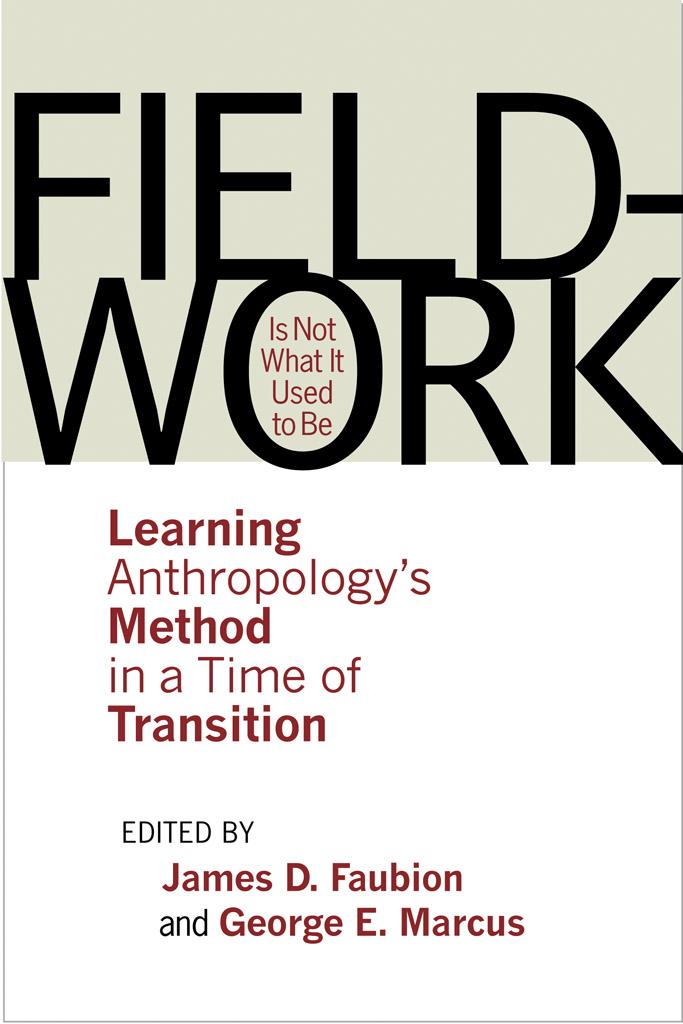
Over the past two decades anthropologists have been challenged to rethink the nature of ethnographic research, the meaning of fieldwork, and the role of ethnographers. Ethnographic fieldwork has cultural, social, and political ramifications that have been much discussed and acted upon, but the training of ethnographers still follows a very traditional pattern; this volume engages and takes its point of departure in the experiences of ethnographers-in-the-making that encourage alternative models for professional training in fieldwork and its intellectual contexts.
The work done by contributors to Fieldwork Is Not What It Used to Be articulates, at the strategic point of career-making research, features of this transformation in progress. Setting aside traditional anxieties about ethnographic authority, the authors revisit fieldwork with fresh initiative. In search of better understandings of the contemporary research process itself, they assess the current terms of the engagement of fieldworkers with their subjects, address the constructive, open-ended forms by which the conclusions of fieldwork might take shape, and offer an accurate and useful description of what it means to become—and to be—an anthropologist today.
Zahle einfach mit Karte, Klarna, Apple Pay oder Google Pay. Nicht zufrieden? Du hast immer ein 14-tägiges Widerrufsrecht. Lies mehr in unseren AGB. Hast du Fragen, schreib uns eine E-Mail an hello@memmo.org.
Memmo macht das Lernen einfacher – wo auch immer du bist. Bei uns findest du deine Kursbücher und smarte Lerntools an einem Ort: Zusammenfassungen, Quizzes, Podcasts und Lernkarten. Und Ted, dein Lernbuddy, beantwortet alles, was du wissen möchtest. Über 50.000 Studierende lernen bereits hier – gemacht, damit du schneller lernst und weniger Stress hast.