
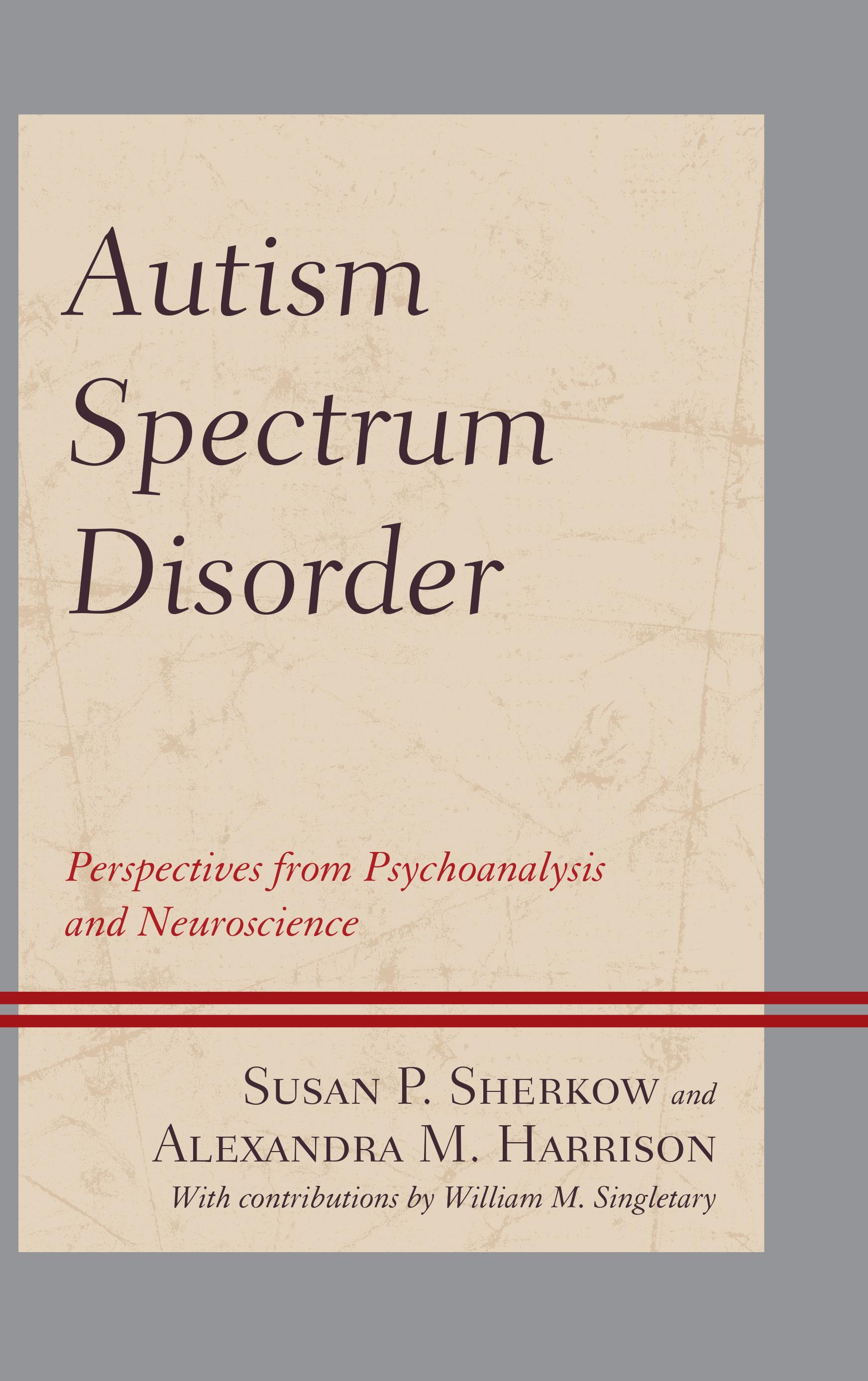
Autism Spectrum Disorder: Perspectives from Psychoanalysis is written by practicing child psychoanalysts with extensive experience treating children with autistic spectrum disorders (ASD) and uneven development. The authors bridge the gap between a psychodynamic approach to ASD and burgeoning data from the fields of neurobiology and neurofunction.
Based on current research showing neuroplasticity of the brain, the authors posit that treating ASD through intensive engagement of caregiver and child makes possible the successful psychoanalytic treatment of a neurobiological disorder. To this end, the authors examine both the clinical dynamics of their treatments and the possible impact of the treatment on neurobiological processes.
Detailed case studies of children treated by the authors comprise the heart of the book. The cases emphasize the importance of engaging these young children intensively with the social world, first of their caregivers and then their peers, while also helping child and caregiver make sense of the child’s “nonsense” behavior through insight into their inner worlds. The authors explain how and why such treatment works through examining the processes by which infant and caregiver learn to know each other and how a baby comes to know the world. This approach emphasizes the intimate connection between infant and caregiver in forming the emotional, cognitive, attentional, and interpersonal experiences that give a child the ability to make meaning and grow.
In addition, this volume presents a selective summary of the neurobiological research in the area of ASD to provide the reader with the related neurobiological and psychological factors. This underscores the thesis that ASD is a potentially reversible neurodevelopmental disorder with experiential and psychological consequences, and lays groundwork for an integrated treatment approach with psychoanalysis at its core.
Based on current research showing neuroplasticity of the brain, the authors posit that treating ASD through intensive engagement of caregiver and child makes possible the successful psychoanalytic treatment of a neurobiological disorder. To this end, the authors examine both the clinical dynamics of their treatments and the possible impact of the treatment on neurobiological processes.
Detailed case studies of children treated by the authors comprise the heart of the book. The cases emphasize the importance of engaging these young children intensively with the social world, first of their caregivers and then their peers, while also helping child and caregiver make sense of the child’s “nonsense” behavior through insight into their inner worlds. The authors explain how and why such treatment works through examining the processes by which infant and caregiver learn to know each other and how a baby comes to know the world. This approach emphasizes the intimate connection between infant and caregiver in forming the emotional, cognitive, attentional, and interpersonal experiences that give a child the ability to make meaning and grow.
In addition, this volume presents a selective summary of the neurobiological research in the area of ASD to provide the reader with the related neurobiological and psychological factors. This underscores the thesis that ASD is a potentially reversible neurodevelopmental disorder with experiential and psychological consequences, and lays groundwork for an integrated treatment approach with psychoanalysis at its core.
Zahle einfach mit Karte, Klarna, Apple Pay oder Google Pay. Nicht zufrieden? Du hast immer ein 14-tägiges Widerrufsrecht. Lies mehr in unseren AGB. Hast du Fragen, schreib uns eine E-Mail an hello@memmo.org.
Memmo macht das Lernen einfacher – wo auch immer du bist. Bei uns findest du deine Kursbücher und smarte Lerntools an einem Ort: Zusammenfassungen, Quizzes, Podcasts und Lernkarten. Und Ted, dein Lernbuddy, beantwortet alles, was du wissen möchtest. Über 50.000 Studierende lernen bereits hier – gemacht, damit du schneller lernst und weniger Stress hast.