
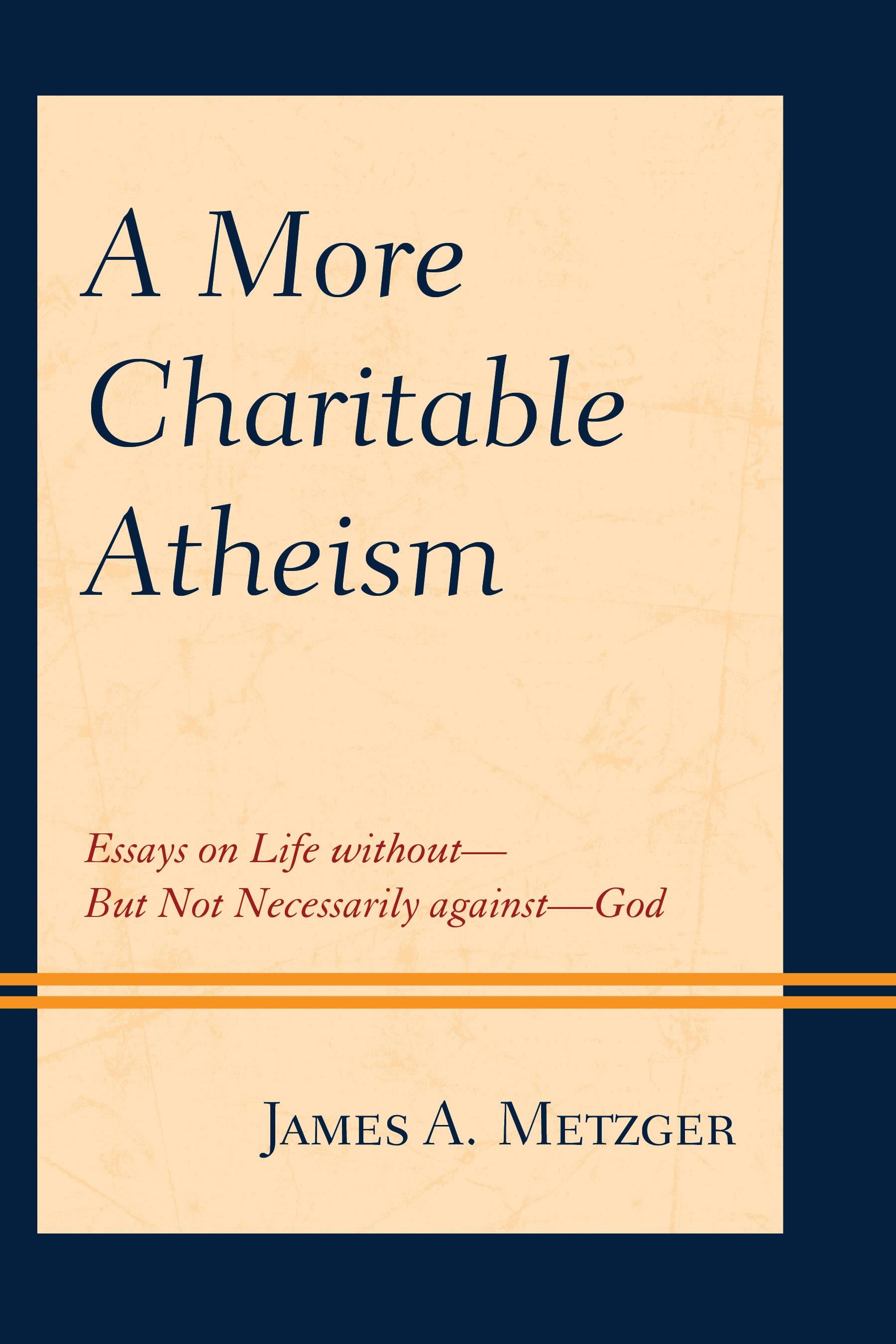
This anthology consists of fourteen topically arranged essays that explore a form of humanism characterized by epistemic humility, a progressive ethical orientation, as well as a respect for the positive features of religion.
According to recent polls, more Americans find themselves uncomfortable maintaining traditional religious beliefs and moral commitments—a trend driven in large part by the Millennials, and one likely to continue with subsequent generations. As a professor who has regular interactions with students of this generation, the author has discovered that those who neither wish to affiliate with one particular religious tradition or community, as perhaps their parents and grandparents did, nor drop religion altogether fear that there are few if any truly attractive alternatives—alternatives that would help them find meaning, offer sound moral guidance, and navigate life’s most challenging times. This book in part aims to show that both meaning and resources for crafting a philosophically sound moral compass can be found outside the sacred canopy.
These essays, however, are also the outcome of the author’s own journey from mainline Protestant Christianity to secular humanism. The primary catalyst for this transition was the onset of a serious autoimmune illness, which forced him to confront various issues in philosophy of religion, particularly the problem of suffering and evil. This autobiographical component is woven into several chapters with the intention of showing that in a postmodern milieu we can no longer attribute major worldview shifts to solitary, dispassionate rational inquiry.
Although essays have been composed in such a way that each may stand alone, a feature of the book that allows readers to approach chapters in any order they choose, they nevertheless have been arranged into four sections that reflect the author’s personal journey. Major topics include: 1) Chronic Illness and the Death of God; 2) Epistemic Limitations and Respect for Persons; 3) A Humanist Approach to Reading the Bible and; 4) Advantages of Ethical Reasoning without God.
According to recent polls, more Americans find themselves uncomfortable maintaining traditional religious beliefs and moral commitments—a trend driven in large part by the Millennials, and one likely to continue with subsequent generations. As a professor who has regular interactions with students of this generation, the author has discovered that those who neither wish to affiliate with one particular religious tradition or community, as perhaps their parents and grandparents did, nor drop religion altogether fear that there are few if any truly attractive alternatives—alternatives that would help them find meaning, offer sound moral guidance, and navigate life’s most challenging times. This book in part aims to show that both meaning and resources for crafting a philosophically sound moral compass can be found outside the sacred canopy.
These essays, however, are also the outcome of the author’s own journey from mainline Protestant Christianity to secular humanism. The primary catalyst for this transition was the onset of a serious autoimmune illness, which forced him to confront various issues in philosophy of religion, particularly the problem of suffering and evil. This autobiographical component is woven into several chapters with the intention of showing that in a postmodern milieu we can no longer attribute major worldview shifts to solitary, dispassionate rational inquiry.
Although essays have been composed in such a way that each may stand alone, a feature of the book that allows readers to approach chapters in any order they choose, they nevertheless have been arranged into four sections that reflect the author’s personal journey. Major topics include: 1) Chronic Illness and the Death of God; 2) Epistemic Limitations and Respect for Persons; 3) A Humanist Approach to Reading the Bible and; 4) Advantages of Ethical Reasoning without God.
Zahle einfach mit Karte, Klarna, Apple Pay oder Google Pay. Nicht zufrieden? Du hast immer ein 14-tägiges Widerrufsrecht. Lies mehr in unseren AGB. Hast du Fragen, schreib uns eine E-Mail an hello@memmo.org.
Memmo macht das Lernen einfacher – wo auch immer du bist. Bei uns findest du deine Kursbücher und smarte Lerntools an einem Ort: Zusammenfassungen, Quizzes, Podcasts und Lernkarten. Und Ted, dein Lernbuddy, beantwortet alles, was du wissen möchtest. Über 50.000 Studierende lernen bereits hier – gemacht, damit du schneller lernst und weniger Stress hast.