
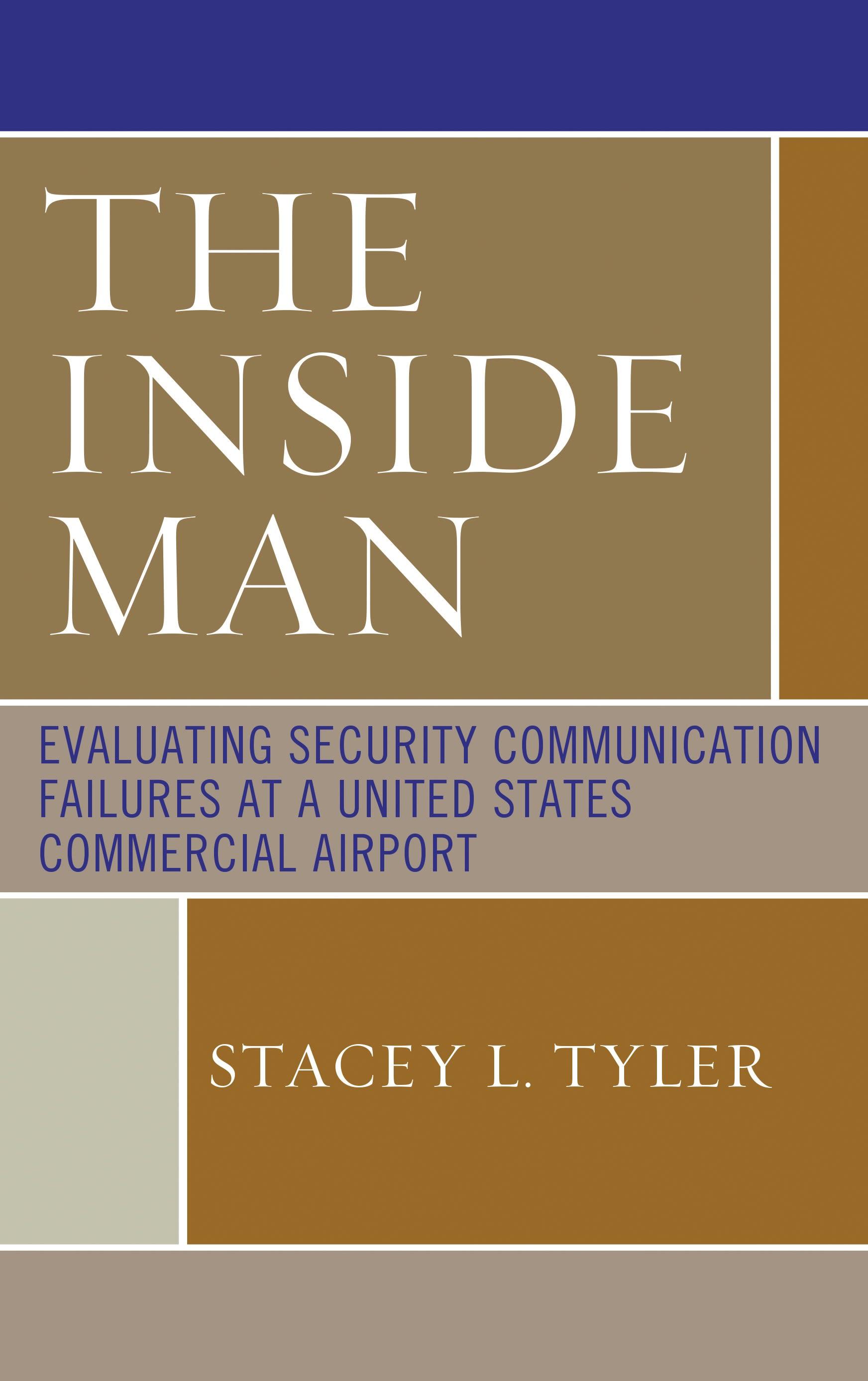
Organizational communication impacts service efficiency and productivity. An increase in federal funding to strengthen communication within the airport stakeholders has failed to deliver expected results. The purpose of this qualitative case study is to explore whether miscommunication among the TSA agents and airport employees relates to effective implementation of airport security policies. The central research question focuses on the degree to which miscommunication between the TSA and airlines regarding prohibited items at security checkpoints impeded the effective execution of federal law regarding carry on luggage on commercial aircraft. Using Weick’s organizational information theory, this study examines the implementation of airport security policy focusing on communication between government and industry organizations. A sample of 13 private airline employees and 7 airport employees at a large U.S. commercial airport participated in the study. Data was collected via semi structured interview questions. Data was coded and analyzed following an inductive coding strategy.
According to study results, there is very little evidence of miscommunications between government and airline stakeholders regarding policy changes and expectations related to security procedures. However, miscommunication about the same policy changes to consumers confuses travelers, which may explain incidences of prohibited items at the security checkpoints. Implications for positive social change related to this study may assist policy makers in clarifying language to better inform travelers about security changes and prohibited items, the objective of which will promote safer flying experiences, reduce the potential for harm, and result in more expedient traveling.
According to study results, there is very little evidence of miscommunications between government and airline stakeholders regarding policy changes and expectations related to security procedures. However, miscommunication about the same policy changes to consumers confuses travelers, which may explain incidences of prohibited items at the security checkpoints. Implications for positive social change related to this study may assist policy makers in clarifying language to better inform travelers about security changes and prohibited items, the objective of which will promote safer flying experiences, reduce the potential for harm, and result in more expedient traveling.
Zahle einfach mit Karte, Klarna, Apple Pay oder Google Pay. Nicht zufrieden? Du hast immer ein 14-tägiges Widerrufsrecht. Lies mehr in unseren AGB. Hast du Fragen, schreib uns eine E-Mail an hello@memmo.org.
Memmo macht das Lernen einfacher – wo auch immer du bist. Bei uns findest du deine Kursbücher und smarte Lerntools an einem Ort: Zusammenfassungen, Quizzes, Podcasts und Lernkarten. Und Ted, dein Lernbuddy, beantwortet alles, was du wissen möchtest. Über 50.000 Studierende lernen bereits hier – gemacht, damit du schneller lernst und weniger Stress hast.