
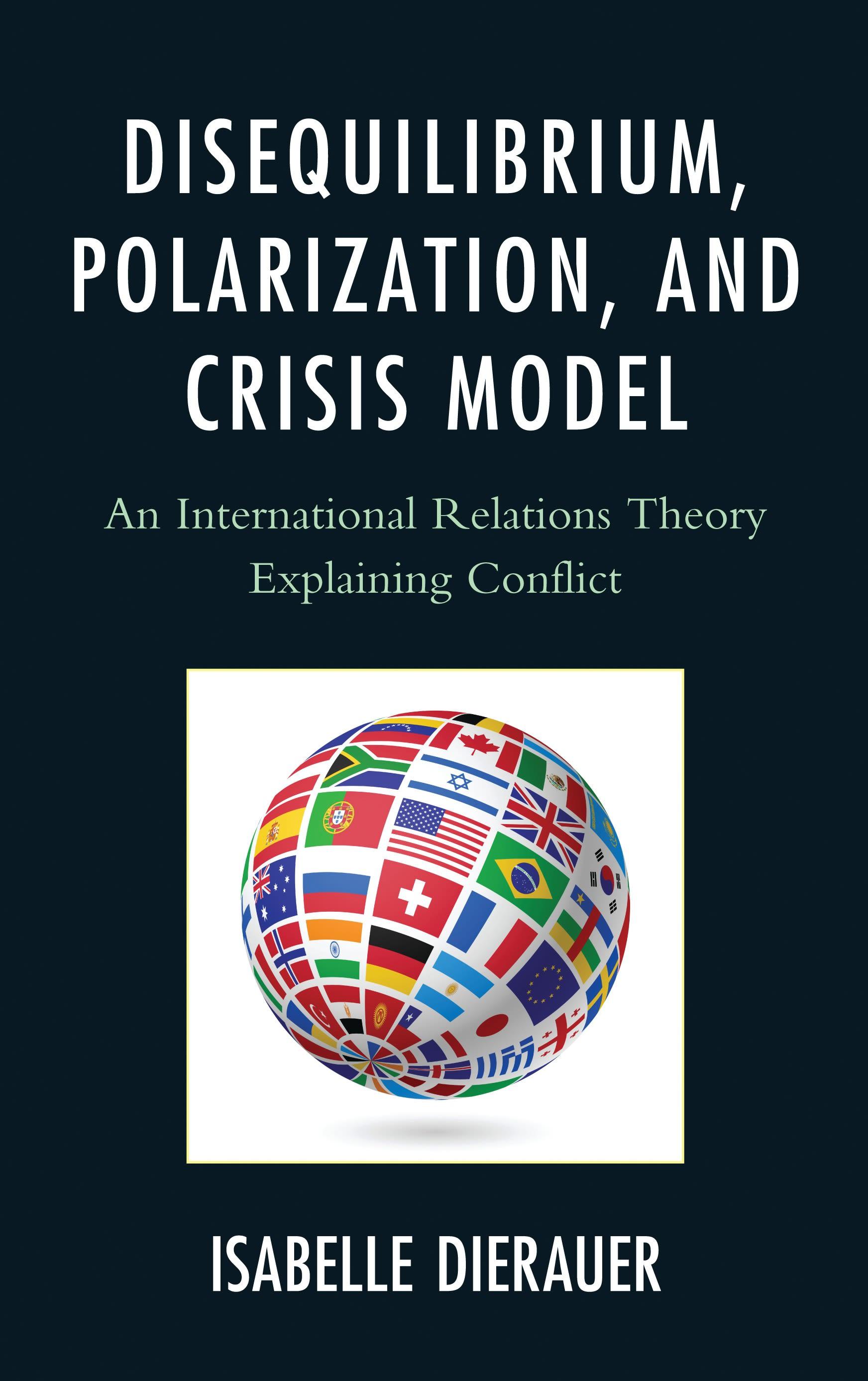
Different international relations theorists have studied political change, but all fall short of sufficiently integrating human reactions, feelings, and responses to change in their theories. This book adds a social psychological component to the analysis of why nations, politically organized groups, or states enter into armed conflict. The Disequilibrium, Polarization, and Crisis Model is introduced, which draws from prospect theory, realism, liberalism, and constructivism. The theory considers how humans react and respond to change in their social, political, and economic environment. Three case studies, the U.S. Civil War, the Yugoslav Wars (1991-1995), and the First World War are applied to illustrate the model’s six process stages: status quo, change creating shifts that lead to disequilibrium, realization of loss, hanging on to the old status quo, emergence of a rigid system, and risky decisions leading to violence and war.
Seiten: 280
Kategorie: Statsvetenskap & Politik
e-ISBN: 9780761861065
Versandgewicht: 1.2 kg
Versand in: 1-2 Tage
Zahle einfach mit Karte, Klarna, Apple Pay oder Google Pay. Nicht zufrieden? Du hast immer ein 14-tägiges Widerrufsrecht. Lies mehr in unseren AGB. Hast du Fragen, schreib uns eine E-Mail an hello@memmo.org.
Memmo macht das Lernen einfacher – wo auch immer du bist. Bei uns findest du deine Kursbücher und smarte Lerntools an einem Ort: Zusammenfassungen, Quizzes, Podcasts und Lernkarten. Und Ted, dein Lernbuddy, beantwortet alles, was du wissen möchtest. Über 50.000 Studierende lernen bereits hier – gemacht, damit du schneller lernst und weniger Stress hast.