
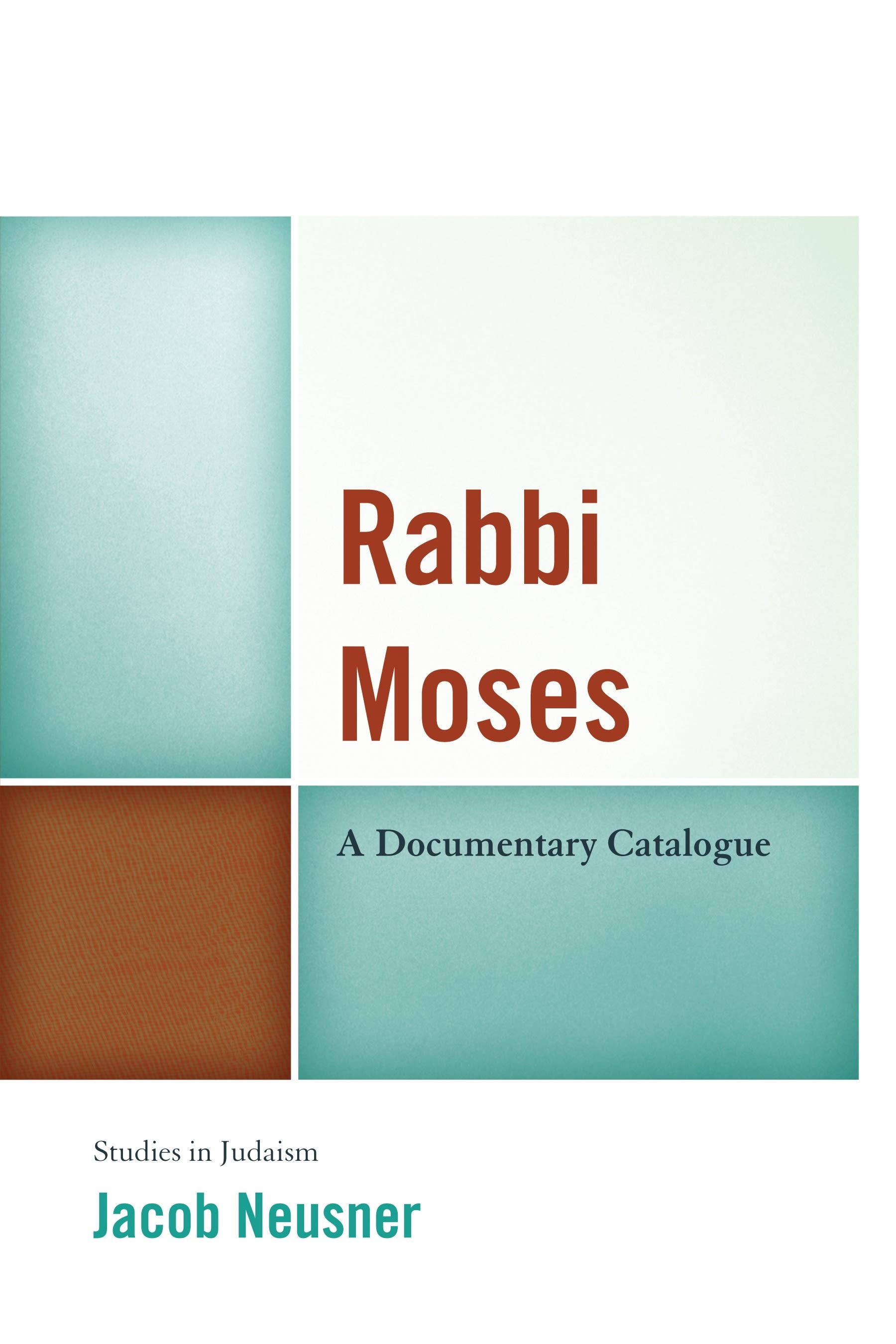
This book is an exercise in the systematic recourse to anachronism as a theological-exegetical mode of apologetics. Specifically, Neusner demonstrates the capacity of the Rabbinic sages to read ideas attested in their own day as authoritative testaments to — to them — ancient times. Thus, Scripture was read as integral testimony to the contemporary scene.
About a millennium — 750 B.C. E. to 350 C. E. — separates Scripture’s prophets from the later sages of the Mishnah and the Talmud. It is quite natural to recognize evidence for differences over a long period of time. Yet Judaism sees itself as a continuum and overcomes difference. The latecomers portray the ancients like themselves. “In our image, after our likeness” captures the current aspiration. The sages accommodated the later documents in their canon by finding the traits of their own time in the record of the remote past. They met the challenges to perfection that the sages brought about.
Of what does the process of harmonization consist? To answer that question the author surveys the presentation of the prophets by the rabbis, beginning with Moses. To overcome the gap, Rabbinic sages turn Moses into a sage like themselves. The prophet performs wonders. The sage sets forth reasonable rulings. The conclusion expands on this account of matters to show the categorical solution that the sages adopted for themselves, and that is the happy outcome of the study.
About a millennium — 750 B.C. E. to 350 C. E. — separates Scripture’s prophets from the later sages of the Mishnah and the Talmud. It is quite natural to recognize evidence for differences over a long period of time. Yet Judaism sees itself as a continuum and overcomes difference. The latecomers portray the ancients like themselves. “In our image, after our likeness” captures the current aspiration. The sages accommodated the later documents in their canon by finding the traits of their own time in the record of the remote past. They met the challenges to perfection that the sages brought about.
Of what does the process of harmonization consist? To answer that question the author surveys the presentation of the prophets by the rabbis, beginning with Moses. To overcome the gap, Rabbinic sages turn Moses into a sage like themselves. The prophet performs wonders. The sage sets forth reasonable rulings. The conclusion expands on this account of matters to show the categorical solution that the sages adopted for themselves, and that is the happy outcome of the study.
Zahle einfach mit Karte, Klarna, Apple Pay oder Google Pay. Nicht zufrieden? Du hast immer ein 14-tägiges Widerrufsrecht. Lies mehr in unseren AGB. Hast du Fragen, schreib uns eine E-Mail an hello@memmo.org.
Memmo macht das Lernen einfacher – wo auch immer du bist. Bei uns findest du deine Kursbücher und smarte Lerntools an einem Ort: Zusammenfassungen, Quizzes, Podcasts und Lernkarten. Und Ted, dein Lernbuddy, beantwortet alles, was du wissen möchtest. Über 50.000 Studierende lernen bereits hier – gemacht, damit du schneller lernst und weniger Stress hast.