
Winner of the Latifeh Yarshater book prize 2024
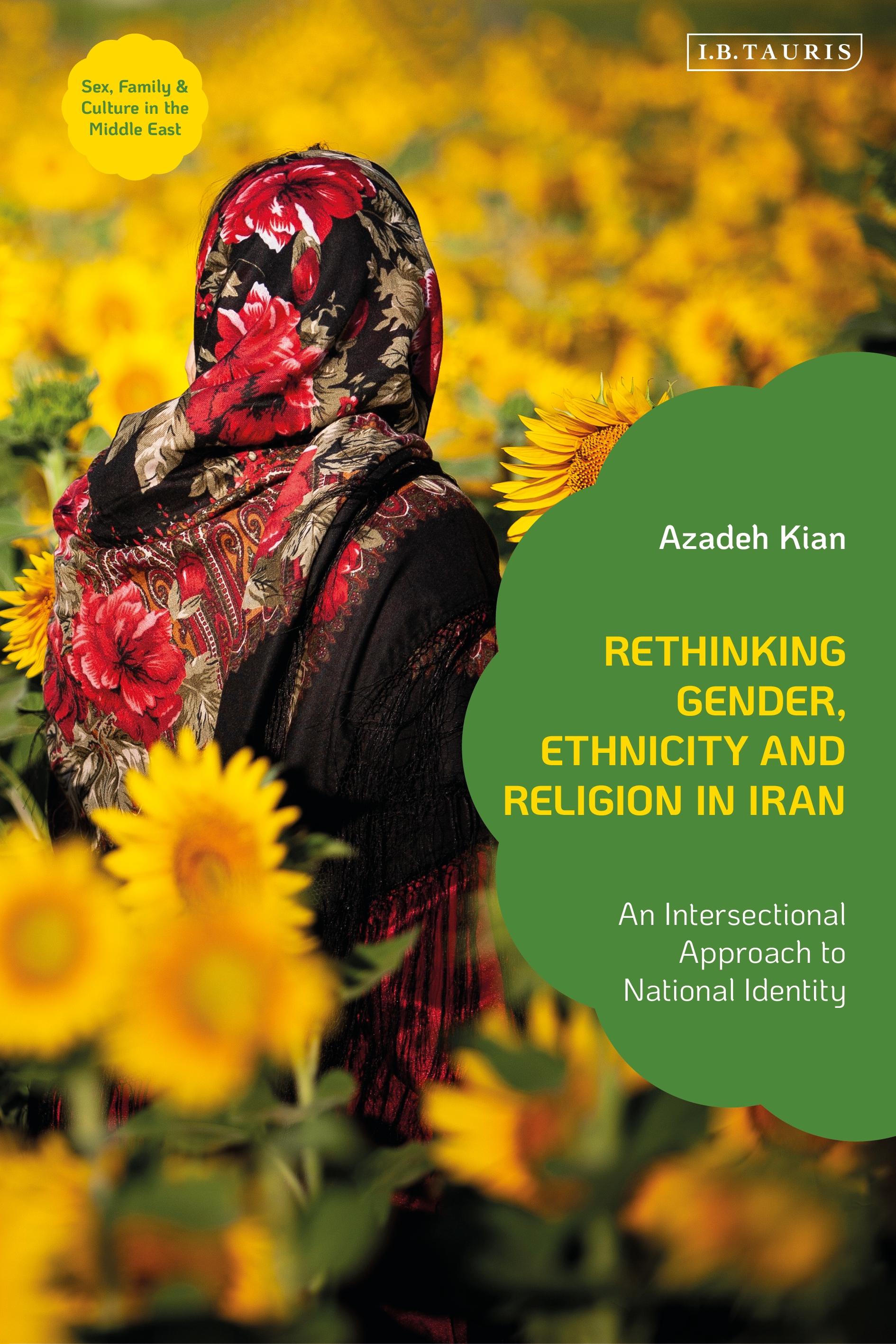
Covering the Pahlavi modern nation-state as well as the Islamic regime, this book examines the crucial shifts that affected Sunnite and subaltern women once Shi'ism became the state religion after the Iranian Revolution.
Focusing on women in the Baluchistan and Golestan provinces of Iran, Azadeh Kian analyses and explores issues of cultural racialization, ethno-centrism, Shi'a centrism, and patriarchal and chauvinistic ideologies in Iranian society propagated by the state and sustained by its policies. Based on quantitative and qualitative surveys taken throughout Iran, comprised of over 7,000 married women and 100 interviews with a sample of Sunnite and subaltern Persian women, Kian reveals how social hierarchy and power relations based on gender, class, ethnicity and religion operate. She argues that women have been at the heart of the process of national and ethnic re-construction as women, as potential mothers, are expected to reproduce national and ethnic boundaries. Kian argues that by examining the family institution as a site of power, analysing family dynamics as well as women's everyday lives, the politics of ordinary Iranians and the relationship between state and society can be better understood. Kian argues that the time is ripe to achieve a non-hegemonic definition of Iranian national identity, through acknowledgement of gender, class, ethnic, and religious diversity and plurality of experiences of oppression and injustice.
Covering the Pahlavi modern nation-state as well as the Islamic regime, this book examines the crucial shifts that affected Sunnite and subaltern women once Shi'ism became the state religion after the Iranian Revolution.
Focusing on women in the Baluchistan and Golestan provinces of Iran, Azadeh Kian analyses and explores issues of cultural racialization, ethno-centrism, Shi'a centrism, and patriarchal and chauvinistic ideologies in Iranian society propagated by the state and sustained by its policies. Based on quantitative and qualitative surveys taken throughout Iran, comprised of over 7,000 married women and 100 interviews with a sample of Sunnite and subaltern Persian women, Kian reveals how social hierarchy and power relations based on gender, class, ethnicity and religion operate. She argues that women have been at the heart of the process of national and ethnic re-construction as women, as potential mothers, are expected to reproduce national and ethnic boundaries. Kian argues that by examining the family institution as a site of power, analysing family dynamics as well as women's everyday lives, the politics of ordinary Iranians and the relationship between state and society can be better understood. Kian argues that the time is ripe to achieve a non-hegemonic definition of Iranian national identity, through acknowledgement of gender, class, ethnic, and religious diversity and plurality of experiences of oppression and injustice.
Zahle einfach mit Karte, Klarna, Apple Pay oder Google Pay. Nicht zufrieden? Du hast immer ein 14-tägiges Widerrufsrecht. Lies mehr in unseren AGB. Hast du Fragen, schreib uns eine E-Mail an hello@memmo.org.
Memmo macht das Lernen einfacher – wo auch immer du bist. Bei uns findest du deine Kursbücher und smarte Lerntools an einem Ort: Zusammenfassungen, Quizzes, Podcasts und Lernkarten. Und Ted, dein Lernbuddy, beantwortet alles, was du wissen möchtest. Über 50.000 Studierende lernen bereits hier – gemacht, damit du schneller lernst und weniger Stress hast.