
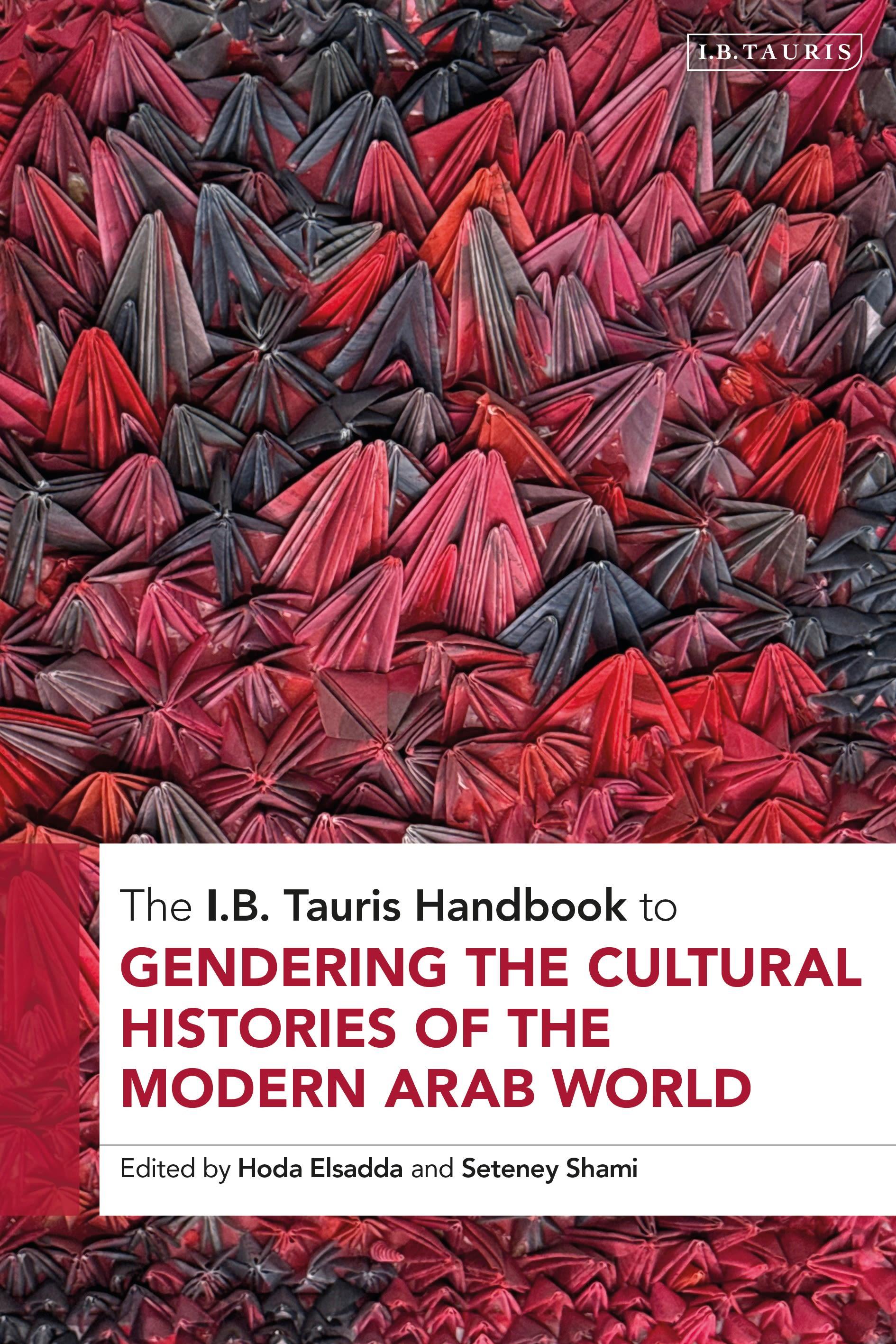
In the last 20 years, feminist scholars have radicalised the historiography of the Arab world. Using gendered theorisations, they have rejected the mainstream histories that prioritise 'official' narratives, and they have highlighted the exclusionary effect of patriarchal systems and discourses. This handbook continues their work by using 'gender' as a mode of analysis to produce a new cultural history of the Arab world. In doing so, it presents a new generation with ways to study the region using a 'gender lens' and establishes this approach as a field.
The five thematic parts correspond to specific areas focused on by new cultural historians: histories of practices; histories of representations; narrative sites of memory; histories of material culture; and histories of the body. Each section then provides new knowledge of the Arab world by moving away from the Western colonial gaze and focusing instead on women's everyday experiences and lifeways. Subjects covered include: theoretical perspectives, Islamic law, protest movements and popular culture, as well as women's autobiographies, gendered memory, food, public health and sexualities.
Edited by two pioneering feminist scholars, Hoda Elsadda and Seteney Shami, it draws together the most innovative work of other feminist scholars from across history, anthropology, literature, sociology, psychology, theology, economics, political science, law, and translation studies. The chapters demonstrate that in using gender as a category of analysis, the cultural histories of the Arab world can be rewritten to prioritise lived realities and female voices and perspectives.
The five thematic parts correspond to specific areas focused on by new cultural historians: histories of practices; histories of representations; narrative sites of memory; histories of material culture; and histories of the body. Each section then provides new knowledge of the Arab world by moving away from the Western colonial gaze and focusing instead on women's everyday experiences and lifeways. Subjects covered include: theoretical perspectives, Islamic law, protest movements and popular culture, as well as women's autobiographies, gendered memory, food, public health and sexualities.
Edited by two pioneering feminist scholars, Hoda Elsadda and Seteney Shami, it draws together the most innovative work of other feminist scholars from across history, anthropology, literature, sociology, psychology, theology, economics, political science, law, and translation studies. The chapters demonstrate that in using gender as a category of analysis, the cultural histories of the Arab world can be rewritten to prioritise lived realities and female voices and perspectives.
Seiten: 496
Kategorie: Kultur-, Genus- & Postkoloniala studier
e-ISBN: 9780755648276
Versandgewicht: 1.2 kg
Versand in: 1-2 Tage
Zahle einfach mit Karte, Klarna, Apple Pay oder Google Pay. Nicht zufrieden? Du hast immer ein 14-tägiges Widerrufsrecht. Lies mehr in unseren AGB. Hast du Fragen, schreib uns eine E-Mail an hello@memmo.org.
Memmo macht das Lernen einfacher – wo auch immer du bist. Bei uns findest du deine Kursbücher und smarte Lerntools an einem Ort: Zusammenfassungen, Quizzes, Podcasts und Lernkarten. Und Ted, dein Lernbuddy, beantwortet alles, was du wissen möchtest. Über 50.000 Studierende lernen bereits hier – gemacht, damit du schneller lernst und weniger Stress hast.