
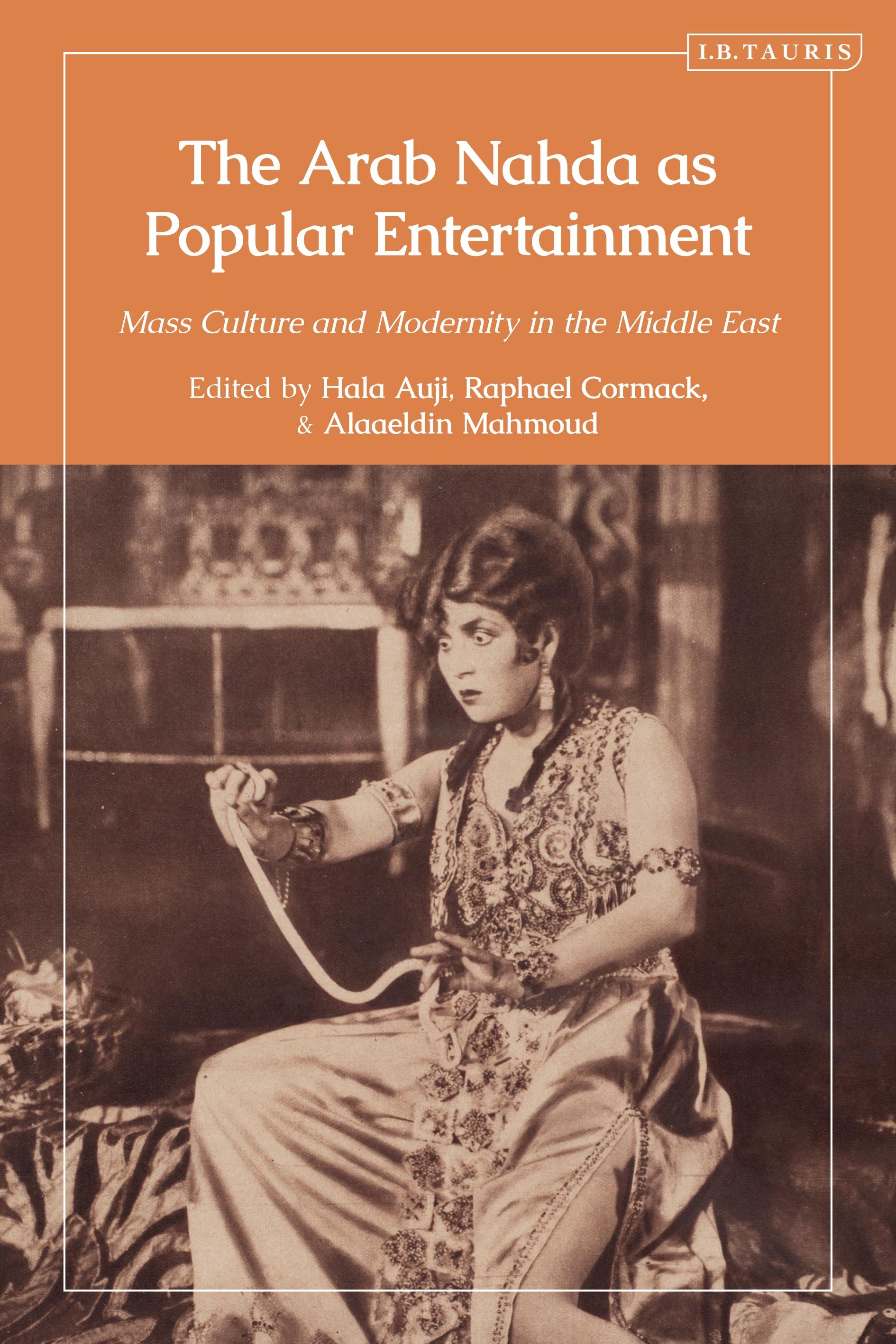
What was popular entertainment like for everyday Arab societies in Middle Eastern cities during the long nineteenth century? In what ways did café culture, theatre, illustrated periodicals, cinema, cabarets, and festivals serve as key forms of popular entertainment for Arabic-speaking audiences, many of whom were uneducated and striving to contend with modernity's anxiety-inducing realities? Studies on the 19th to mid-20th century's transformative cultural movement known as the Arab nahda (renaissance), have largely focussed on concerns with nationalism, secularism, and language, often told from the perspective of privileged groups. Highlighting overlooked aspects of this movement, this book shifts the focus away from elite circles to quotidian audiences. Its ten contributions range in scope, from music and visual media to theatre and popular fiction. Paying special attention to networks of movement and exchange across Arab societies in Lebanon, Syria, Egypt, Iraq, and Morocco, this book heeds the call for 'translocal/transnational' cultural histories, while contributing to timely global studies on gender, sexuality, and morality. Focusing on the often-marginalized frequenters of cafés, artist studios, cinemas, nightclubs, and the streets, it expands the remit of who participated in the nahda and how they did.
Zahle einfach mit Karte, Klarna, Apple Pay oder Google Pay. Nicht zufrieden? Du hast immer ein 14-tägiges Widerrufsrecht. Lies mehr in unseren AGB. Hast du Fragen, schreib uns eine E-Mail an hello@memmo.org.
Memmo macht das Lernen einfacher – wo auch immer du bist. Bei uns findest du deine Kursbücher und smarte Lerntools an einem Ort: Zusammenfassungen, Quizzes, Podcasts und Lernkarten. Und Ted, dein Lernbuddy, beantwortet alles, was du wissen möchtest. Über 50.000 Studierende lernen bereits hier – gemacht, damit du schneller lernst und weniger Stress hast.