
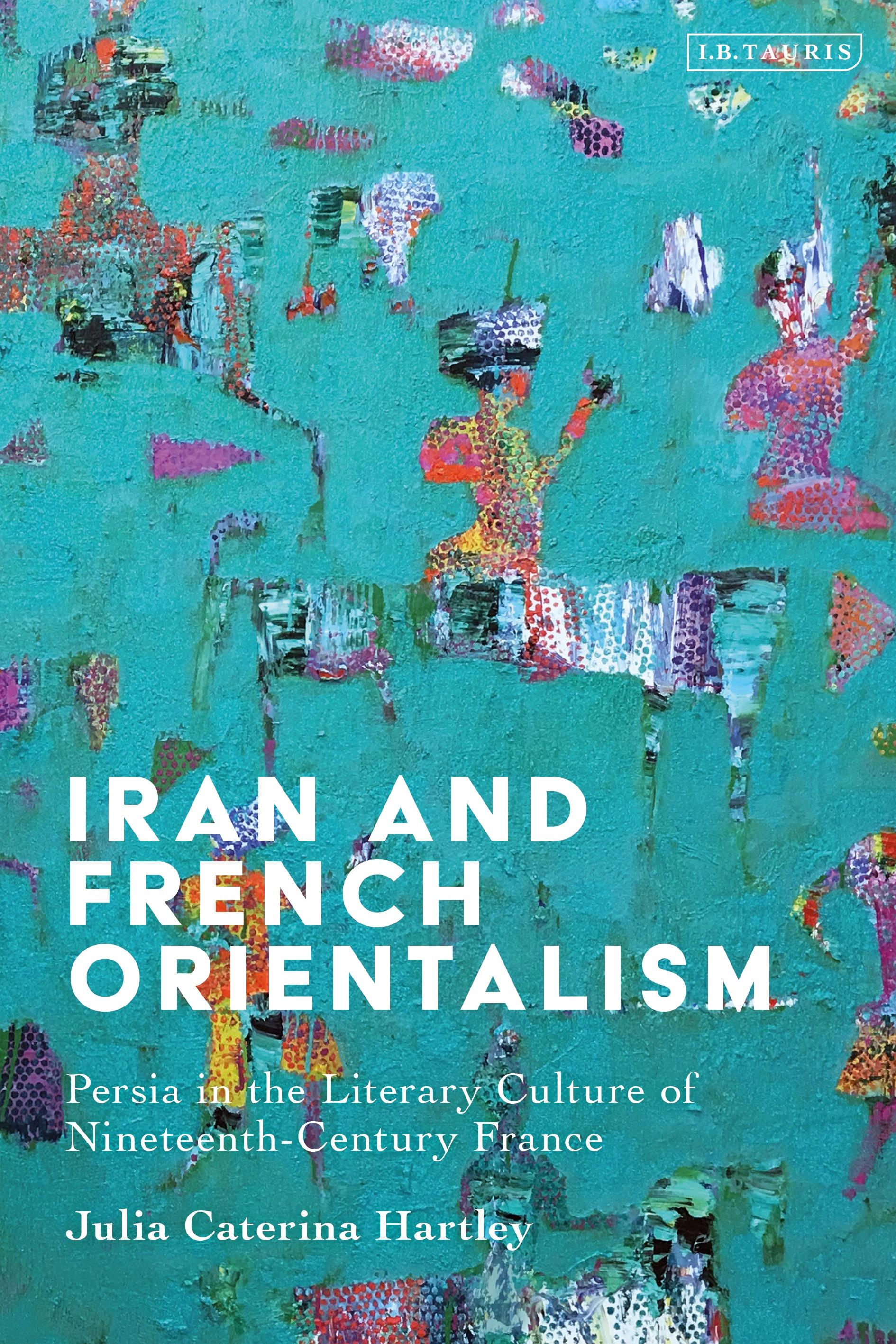
New translations of Persian literature into French, the invention of the Aryan myth, increased travel between France and Iran, and the unveiling of artefacts from ancient Susa at the Louvre Museum are among the factors that radically altered France's perception of Iran during the long nineteenth century. And this is reflected in the literary culture of the period. In an ambitious study spanning poetry, historiography, fiction, travel-writing, ballet, opera, and marionette theatre, Julia Hartley reveals the unique place that Iran held in the French literary imagination between 1829 and 1912. Iran's history and culture remained a constant source of inspiration across different generations and artistic movements, from the 'Oriental' poems of Victor Hugo to those of Anna de Noailles and Théophile Gautier's strategic citation of Persian poetry to his daughter Judith Gautier's full-blown rewriting of a Persian epic. Writing about Iran could also serve to articulate new visions of world history and religion, as was the case in the intellectual debates that took place between Michelet, Renan, and Al-Afghani. Alternatively joyous, as in Félicien David's opera Lalla Roukh, and ominous, as in Massenet's Le Mage, Iran elicited a multiplicity of treatments. This is most obvious in the travelogues of Flandin, Gobineau, Loti, Jane Dieulafoy, and Marthe Bibesco, which describe the same cities and cultural practices in altogether different ways. Under these writers' pens, Iran emerges as both an Oriental other and an alter ego, its culture elevated above that of all other Muslim nations. At times this led French writers to critique notions of European superiority. But at others, they appropriated Iran as proto-European through racialist narratives that reinforced Orientalist stereotypes. Drawing on theories of Orientalism and cultural difference, this book navigates both sides of this fascinating and complex literary history. It is the first major study on the subject.
Zahle einfach mit Karte, Klarna, Apple Pay oder Google Pay. Nicht zufrieden? Du hast immer ein 14-tägiges Widerrufsrecht. Lies mehr in unseren AGB. Hast du Fragen, schreib uns eine E-Mail an hello@memmo.org.
Memmo macht das Lernen einfacher – wo auch immer du bist. Bei uns findest du deine Kursbücher und smarte Lerntools an einem Ort: Zusammenfassungen, Quizzes, Podcasts und Lernkarten. Und Ted, dein Lernbuddy, beantwortet alles, was du wissen möchtest. Über 50.000 Studierende lernen bereits hier – gemacht, damit du schneller lernst und weniger Stress hast.