
I.B. Tauris in association with the Institute of Ismaili Studies
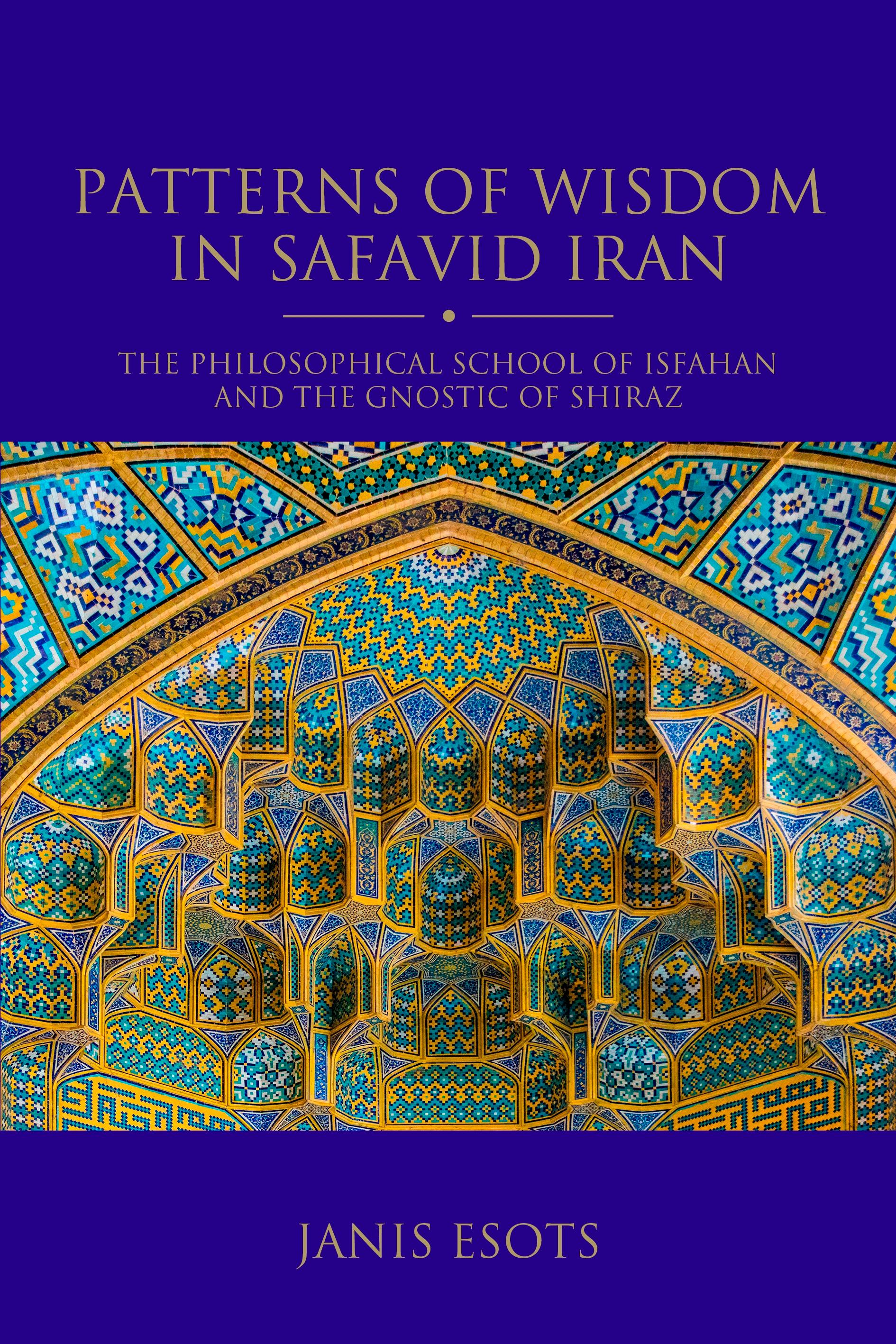
The exceptional intellectual richness of seventeenth-century Safavid Iran is epitomised by the philosophical school of Isfahan, and in particular by its ostensible founder, Mir Damad (d. 1631), and his great student Mulla Sadra (aka Sadr al-Din Shirazi, d. 1636). Equally important to the school is the apophatic wisdom of Rajab 'Ali Tabrizi that followed later (d. 1669/70).
However, despite these philosophers' renown, the identification of the 'philosophical school of Isfahan' was only proposed in 1956, by the celebrated French Iranologist Henry Corbin, who noted the unifying Islamic Neoplatonist character of some 20 thinkers and spiritual figures; this grouping has subsequently remained unchallenged for some fifty years.
In this highly original work, Janis Esots investigates the legitimacy of the term 'school', delving into the complex philosophies of these three major Shi'i figures and drawing comparisons between them. The author makes the case that Mulla Sadra's thought is independent and actually incompatible with the thoughts of Mir Damad and Rajab Ali Tabrizi. This not only presents a new way of thinking about how we understand the 'school of Isfahan', it also identifies Mir Damad and Rajab Ali Tabrizi as pioneers in their own right.
The exceptional intellectual richness of seventeenth-century Safavid Iran is epitomised by the philosophical school of Isfahan, and in particular by its ostensible founder, Mir Damad (d. 1631), and his great student Mulla Sadra (aka Sadr al-Din Shirazi, d. 1636). Equally important to the school is the apophatic wisdom of Rajab 'Ali Tabrizi that followed later (d. 1669/70).
However, despite these philosophers' renown, the identification of the 'philosophical school of Isfahan' was only proposed in 1956, by the celebrated French Iranologist Henry Corbin, who noted the unifying Islamic Neoplatonist character of some 20 thinkers and spiritual figures; this grouping has subsequently remained unchallenged for some fifty years.
In this highly original work, Janis Esots investigates the legitimacy of the term 'school', delving into the complex philosophies of these three major Shi'i figures and drawing comparisons between them. The author makes the case that Mulla Sadra's thought is independent and actually incompatible with the thoughts of Mir Damad and Rajab Ali Tabrizi. This not only presents a new way of thinking about how we understand the 'school of Isfahan', it also identifies Mir Damad and Rajab Ali Tabrizi as pioneers in their own right.
Seiten: 280
Kategorie: Religion & Teologi
e-ISBN: 9780755644933
Versandgewicht: 1.2 kg
Versand in: 1-2 Tage
Zahle einfach mit Karte, Klarna, Apple Pay oder Google Pay. Nicht zufrieden? Du hast immer ein 14-tägiges Widerrufsrecht. Lies mehr in unseren AGB. Hast du Fragen, schreib uns eine E-Mail an hello@memmo.org.
Memmo macht das Lernen einfacher – wo auch immer du bist. Bei uns findest du deine Kursbücher und smarte Lerntools an einem Ort: Zusammenfassungen, Quizzes, Podcasts und Lernkarten. Und Ted, dein Lernbuddy, beantwortet alles, was du wissen möchtest. Über 50.000 Studierende lernen bereits hier – gemacht, damit du schneller lernst und weniger Stress hast.