
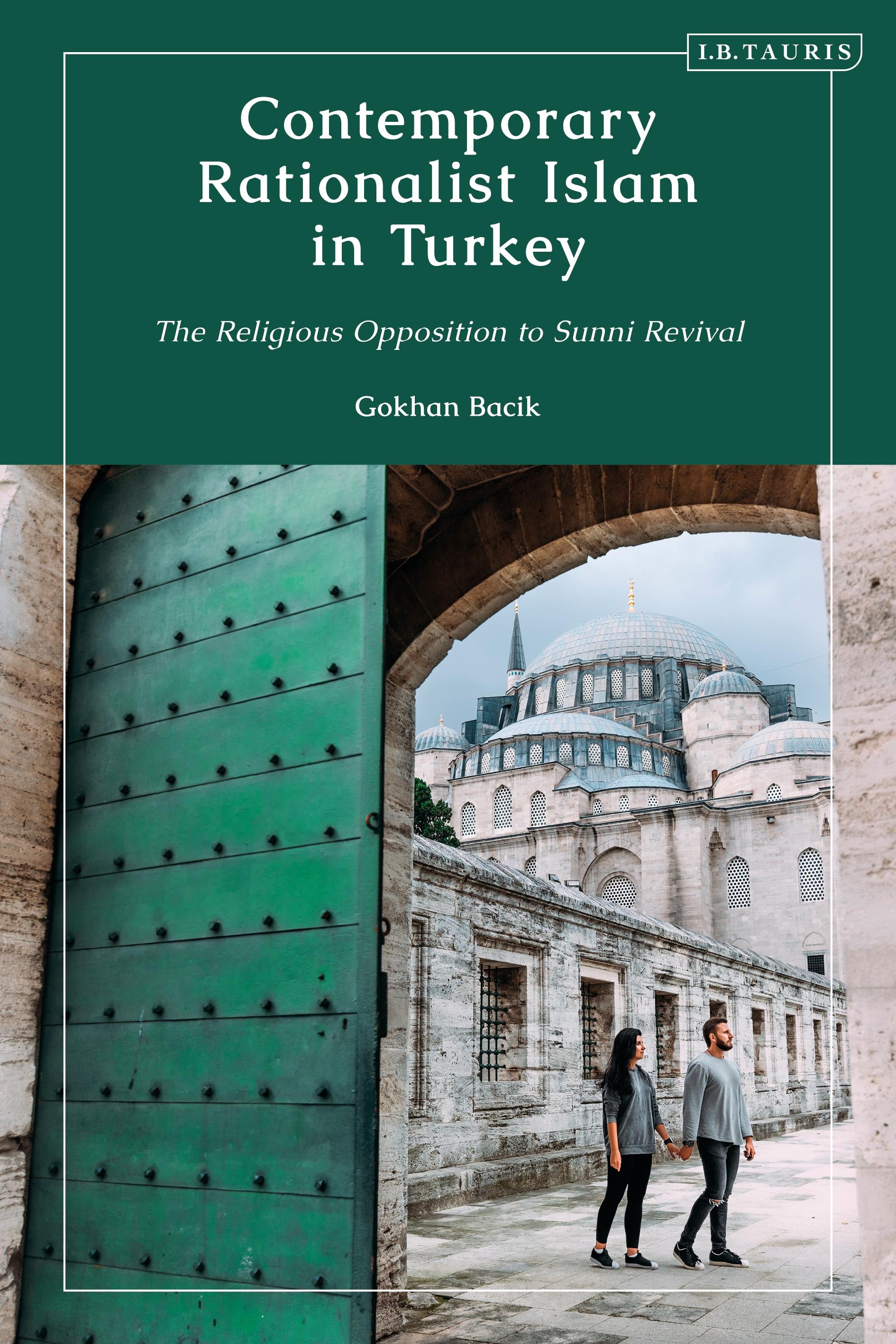
Nineteenth-century Istanbul was an intellectual hub of rich discussions about Islam, in which leading reformists had a significant role. Turkey today appears to be an intellectual vacuum to anyone searching for ongoing critical engagement with Islam. The main purpose of this book is to adjust this view of Turkey by showcasing the modern Turkish theologians who challenge mainstream Sunni interpretations of Islam. Labelling these theologians as 'rationalist' rather than 'reformist', the author reveals that their theology is inherently anti-establishment and thus a religiously-oriented challenge to the hegemony of the state-sanctioned Islam: for the rationalists, Turkey's problems have their origins in the Sunni interpretation of Islam.
Contemporary Rationalist Islam in Turkey analyses nine prominent scholars of Islam who provide a religious opposition to the Sunni revival in Turkey: Hüseyin Atay, Yasar Nuri Öztürk, M. Hayri Kirbasoglu, Ilhami Güler, R. Ihsan Eliaçik, Ömer Özsoy, Mustafa Öztürk, Israfil Balci, and Mehmet Azimli. These scholars' writings are almost exclusively published in Turkish, so this book makes their ideas available in English for the first time. It also examines the scope, methodology and argumentation of the scholars' theology, categorizing their theological interpretations from 'historicist' to 'universalist' and from 'empiricist' to 'rationalist'. In identifying a new 'rationalist' school of Turkish theology and outlining its different manifestations, the book breaks new ground. It fills a significant gap in the literature on Islamic studies and reveals an understudied dimension of Turkey and Turkish Islam beyond the well-known ideas of the AKP and the Gulenists.
Contemporary Rationalist Islam in Turkey analyses nine prominent scholars of Islam who provide a religious opposition to the Sunni revival in Turkey: Hüseyin Atay, Yasar Nuri Öztürk, M. Hayri Kirbasoglu, Ilhami Güler, R. Ihsan Eliaçik, Ömer Özsoy, Mustafa Öztürk, Israfil Balci, and Mehmet Azimli. These scholars' writings are almost exclusively published in Turkish, so this book makes their ideas available in English for the first time. It also examines the scope, methodology and argumentation of the scholars' theology, categorizing their theological interpretations from 'historicist' to 'universalist' and from 'empiricist' to 'rationalist'. In identifying a new 'rationalist' school of Turkish theology and outlining its different manifestations, the book breaks new ground. It fills a significant gap in the literature on Islamic studies and reveals an understudied dimension of Turkey and Turkish Islam beyond the well-known ideas of the AKP and the Gulenists.
Zahle einfach mit Karte, Klarna, Apple Pay oder Google Pay. Nicht zufrieden? Du hast immer ein 14-tägiges Widerrufsrecht. Lies mehr in unseren AGB. Hast du Fragen, schreib uns eine E-Mail an hello@memmo.org.
Memmo macht das Lernen einfacher – wo auch immer du bist. Bei uns findest du deine Kursbücher und smarte Lerntools an einem Ort: Zusammenfassungen, Quizzes, Podcasts und Lernkarten. Und Ted, dein Lernbuddy, beantwortet alles, was du wissen möchtest. Über 50.000 Studierende lernen bereits hier – gemacht, damit du schneller lernst und weniger Stress hast.