
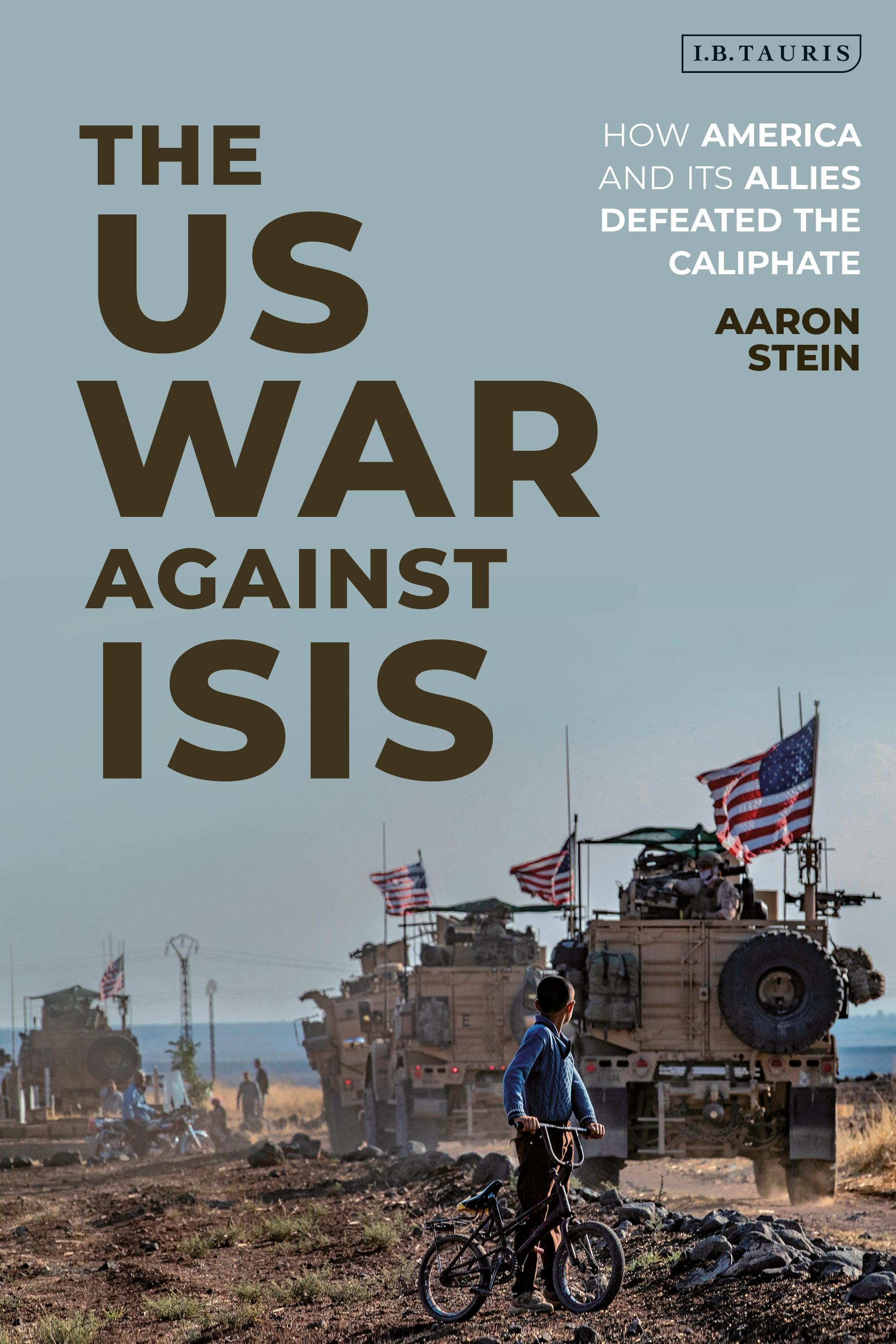
The war against ISIS is often explained through the group's own rise to power. The American side of the story has not yet been told. This book records how the United States and its allies chose to fight the group, what the consequences have been for transatlantic relations, and how these factors may shape future wars the West decides to pursue.
The book is based on first-person interviews with U.S. and European policymakers, and members of the military in direct combat against ISIS - from U.S and allied forces on the ground to the Kurdish fighters who fought beside them. These interviews show precisely how the West fights wars through the eyes of the people most involved in them and includes key insights about civilian decision-making as it happened. In tracing the war as it developed, the book examines the West's approach to conflict and reveals new insights such as why both the U.S. military and the civilian bureaucracy underestimated Russian military capabilities. The war was always meant to be small and focused, but its repercussions have been considerable and far-reaching, including a serious rupture in Turkish-Western relations and Russia's return to the Middle East.
Aaron Stein shows why mistakes were made in the war against ISIS and what happens when a narrow policy focus on counter terrorism is pursued at the expense of almost all wider regional security and political concerns. At a time when the U.S might be called again to stem the rise of a terror group or to fight against a collective threat, the lessons in this book are essential.
The book is based on first-person interviews with U.S. and European policymakers, and members of the military in direct combat against ISIS - from U.S and allied forces on the ground to the Kurdish fighters who fought beside them. These interviews show precisely how the West fights wars through the eyes of the people most involved in them and includes key insights about civilian decision-making as it happened. In tracing the war as it developed, the book examines the West's approach to conflict and reveals new insights such as why both the U.S. military and the civilian bureaucracy underestimated Russian military capabilities. The war was always meant to be small and focused, but its repercussions have been considerable and far-reaching, including a serious rupture in Turkish-Western relations and Russia's return to the Middle East.
Aaron Stein shows why mistakes were made in the war against ISIS and what happens when a narrow policy focus on counter terrorism is pursued at the expense of almost all wider regional security and political concerns. At a time when the U.S might be called again to stem the rise of a terror group or to fight against a collective threat, the lessons in this book are essential.
Zahle einfach mit Karte, Klarna, Apple Pay oder Google Pay. Nicht zufrieden? Du hast immer ein 14-tägiges Widerrufsrecht. Lies mehr in unseren AGB. Hast du Fragen, schreib uns eine E-Mail an hello@memmo.org.
Memmo macht das Lernen einfacher – wo auch immer du bist. Bei uns findest du deine Kursbücher und smarte Lerntools an einem Ort: Zusammenfassungen, Quizzes, Podcasts und Lernkarten. Und Ted, dein Lernbuddy, beantwortet alles, was du wissen möchtest. Über 50.000 Studierende lernen bereits hier – gemacht, damit du schneller lernst und weniger Stress hast.