
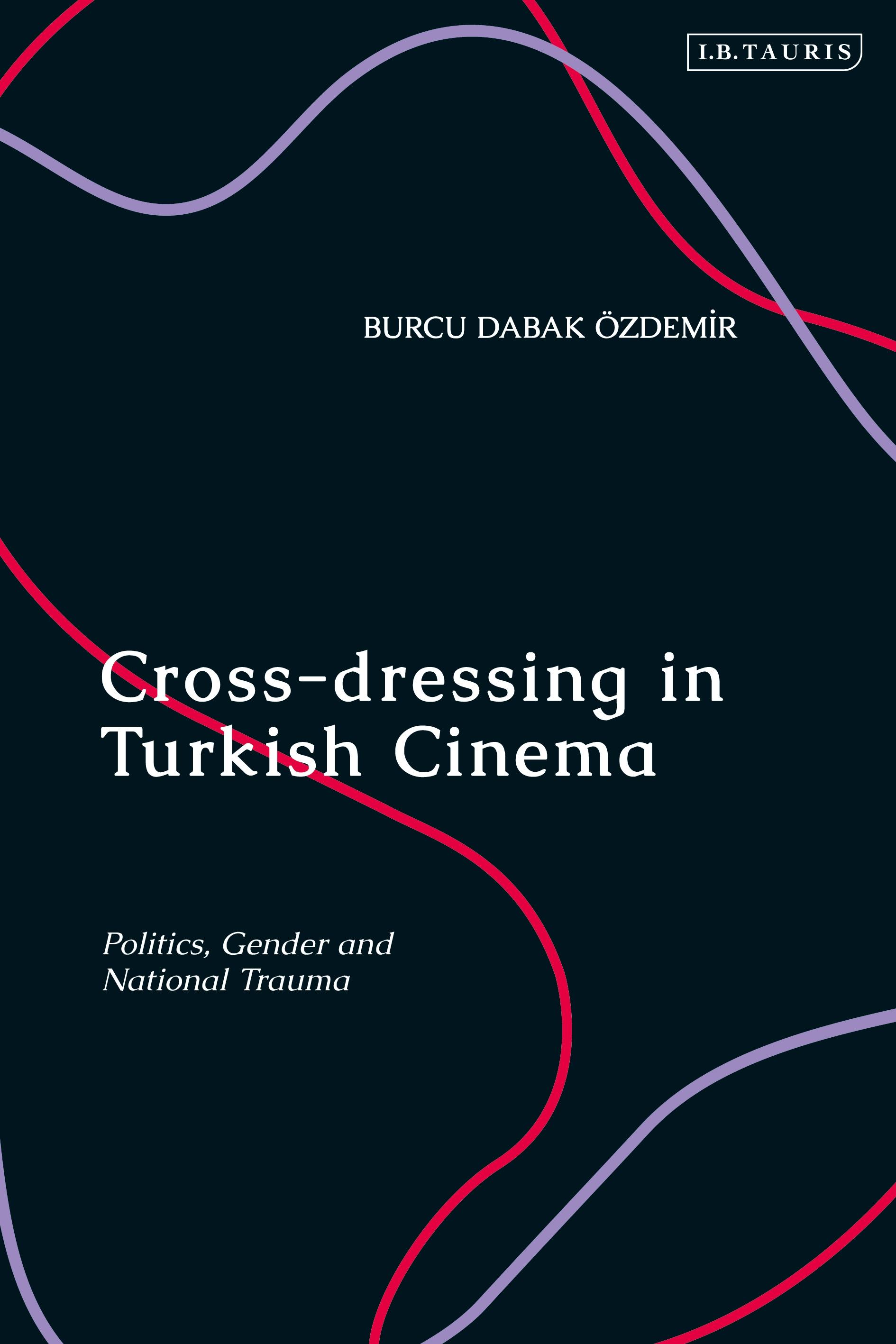
As in western cinema, cross-dressing is a recurrent theme in Turkish film. But what do these films, whose characters typically cross-dress in order to escape enemies or other threats, tell us about the modern history of the Turkish Republic?
This book examines cross-dressing in Turkish films in the context of formative events in modern Turkish political history, arguing that this trope coincides with and is illustrative of trauma induced by Turkey's multiple coup d'etats, periods of authoritarianism, enforced secularism and 'modernization'.
Burcu Dabak Ozdemir analyses five case study films wherein she reveals that cross-dressing characters are able to escape persecutors and surveillance - key instruments of oppression during Turkey's coups. She shows how cross-dressing in the films examined become a destabilising force, a form of implicit resistance against state power, both political and in terms of binaries of gender and identity, and a means to register moments of national trauma. The book historicises the concept of cross-dressing in modern Turkey by examining what the author argues is a formative trauma worked through in the films examined: the westernization policies of the Kemalist regime whose most immediate symbolic presence was worn - the enforced adoption of western dress by citizens.
Of interest to scholars of gender, queer, film and trauma studies, the book will also appeal to students and scholars of contemporary Turkish culture and society.
This book examines cross-dressing in Turkish films in the context of formative events in modern Turkish political history, arguing that this trope coincides with and is illustrative of trauma induced by Turkey's multiple coup d'etats, periods of authoritarianism, enforced secularism and 'modernization'.
Burcu Dabak Ozdemir analyses five case study films wherein she reveals that cross-dressing characters are able to escape persecutors and surveillance - key instruments of oppression during Turkey's coups. She shows how cross-dressing in the films examined become a destabilising force, a form of implicit resistance against state power, both political and in terms of binaries of gender and identity, and a means to register moments of national trauma. The book historicises the concept of cross-dressing in modern Turkey by examining what the author argues is a formative trauma worked through in the films examined: the westernization policies of the Kemalist regime whose most immediate symbolic presence was worn - the enforced adoption of western dress by citizens.
Of interest to scholars of gender, queer, film and trauma studies, the book will also appeal to students and scholars of contemporary Turkish culture and society.
Seiten: 216
Kategorie: Film- & Medievetenskap
e-ISBN: 9780755634248
Versandgewicht: 1.2 kg
Versand in: 1-2 Tage
Zahle einfach mit Karte, Klarna, Apple Pay oder Google Pay. Nicht zufrieden? Du hast immer ein 14-tägiges Widerrufsrecht. Lies mehr in unseren AGB. Hast du Fragen, schreib uns eine E-Mail an hello@memmo.org.
Memmo macht das Lernen einfacher – wo auch immer du bist. Bei uns findest du deine Kursbücher und smarte Lerntools an einem Ort: Zusammenfassungen, Quizzes, Podcasts und Lernkarten. Und Ted, dein Lernbuddy, beantwortet alles, was du wissen möchtest. Über 50.000 Studierende lernen bereits hier – gemacht, damit du schneller lernst und weniger Stress hast.