
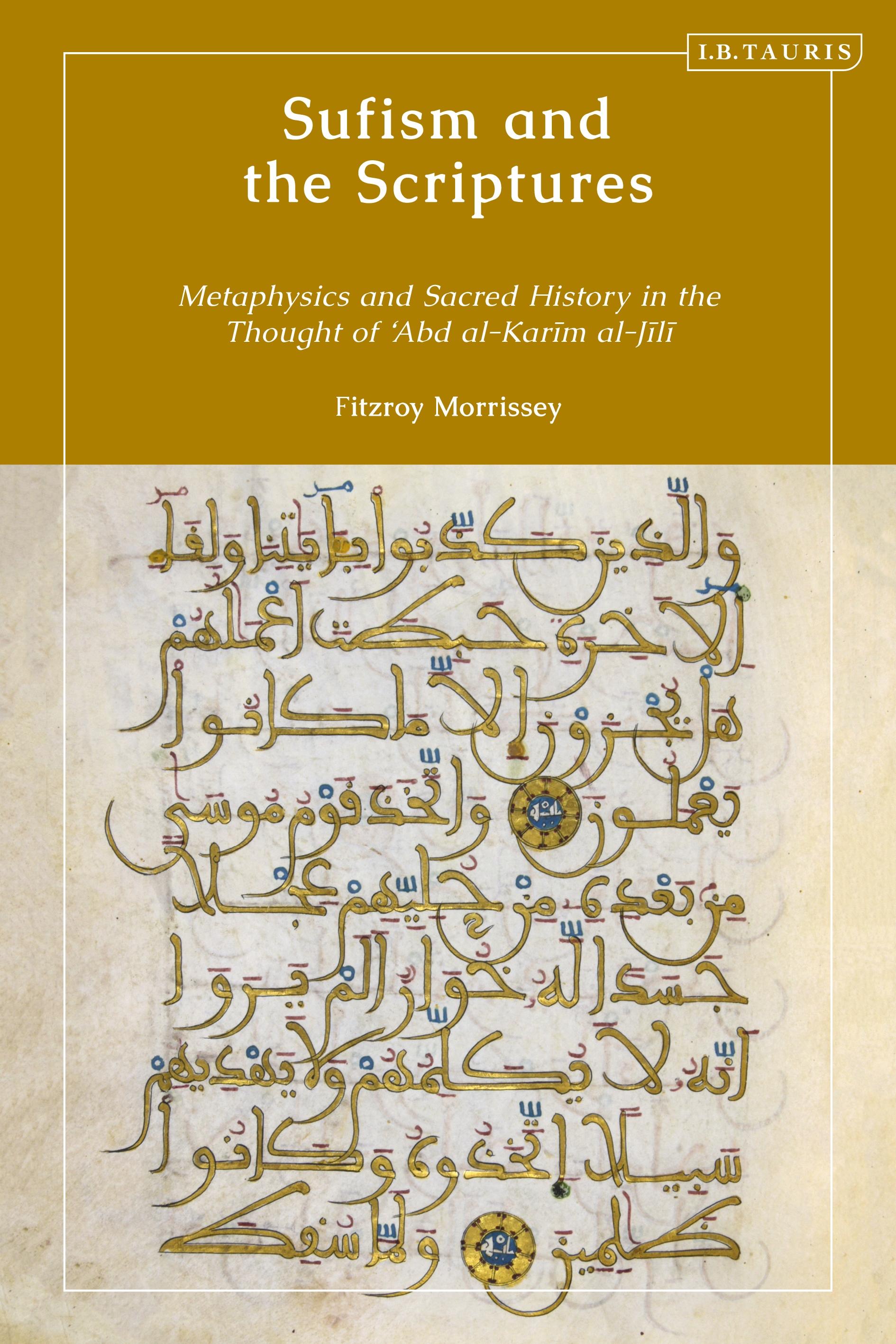
The Sufi thinker 'Abd al-Karim al-Jili (d. 1408) is best-known for his treatment of the idea of the Perfect Human, yet his masterpiece, al-Insan al-kamil (The Perfect Human), is in fact a wide-ranging compendium of Sufi metaphysical thought in the Ibn 'Arabian tradition. One of the major topics treated in that work is sacred history, the story of God's revelation of the truth to humanity through His prophets and scriptures.
Fitzroy Morrissey provides here the first in-depth study of this important section of al-Jili's major work and the key ideas contained within it. Through a translation and analysis of the key passages on the Qur'an, Torah, Psalms and Gospel, it shows how al-Jili's view of sacred history is conditioned by his Ibn 'Arabian Sufi metaphysics, whereby the phenomenal world is viewed as a manifestation of God, and the prophets and scriptures as special places where the divine attributes appear more completely. It also looks at how this idea influences al-Jili's understanding of the hierarchy of prophets, scriptures and religions. The book argues that, contrary to common assumptions, al-Jili's Sufi metaphysical view of sacred history is in keeping with the common medieval Muslim view of sacred history, whereby the Qur'an is viewed as the best of scriptures, Muhammad as the best of prophets, and Islam as the best religion. The book therefore not only gives an insight into a key text within medieval Sufi thought, but also has ramifications for our understanding of medieval Sufi views on the relationship between Islam and other religions.
Fitzroy Morrissey provides here the first in-depth study of this important section of al-Jili's major work and the key ideas contained within it. Through a translation and analysis of the key passages on the Qur'an, Torah, Psalms and Gospel, it shows how al-Jili's view of sacred history is conditioned by his Ibn 'Arabian Sufi metaphysics, whereby the phenomenal world is viewed as a manifestation of God, and the prophets and scriptures as special places where the divine attributes appear more completely. It also looks at how this idea influences al-Jili's understanding of the hierarchy of prophets, scriptures and religions. The book argues that, contrary to common assumptions, al-Jili's Sufi metaphysical view of sacred history is in keeping with the common medieval Muslim view of sacred history, whereby the Qur'an is viewed as the best of scriptures, Muhammad as the best of prophets, and Islam as the best religion. The book therefore not only gives an insight into a key text within medieval Sufi thought, but also has ramifications for our understanding of medieval Sufi views on the relationship between Islam and other religions.
Seiten: 256
Kategorie: Religion & Teologi
e-ISBN: 9780755618323
Versandgewicht: 1.2 kg
Versand in: 1-2 Tage
Zahle einfach mit Karte, Klarna, Apple Pay oder Google Pay. Nicht zufrieden? Du hast immer ein 14-tägiges Widerrufsrecht. Lies mehr in unseren AGB. Hast du Fragen, schreib uns eine E-Mail an hello@memmo.org.
Memmo macht das Lernen einfacher – wo auch immer du bist. Bei uns findest du deine Kursbücher und smarte Lerntools an einem Ort: Zusammenfassungen, Quizzes, Podcasts und Lernkarten. Und Ted, dein Lernbuddy, beantwortet alles, was du wissen möchtest. Über 50.000 Studierende lernen bereits hier – gemacht, damit du schneller lernst und weniger Stress hast.