
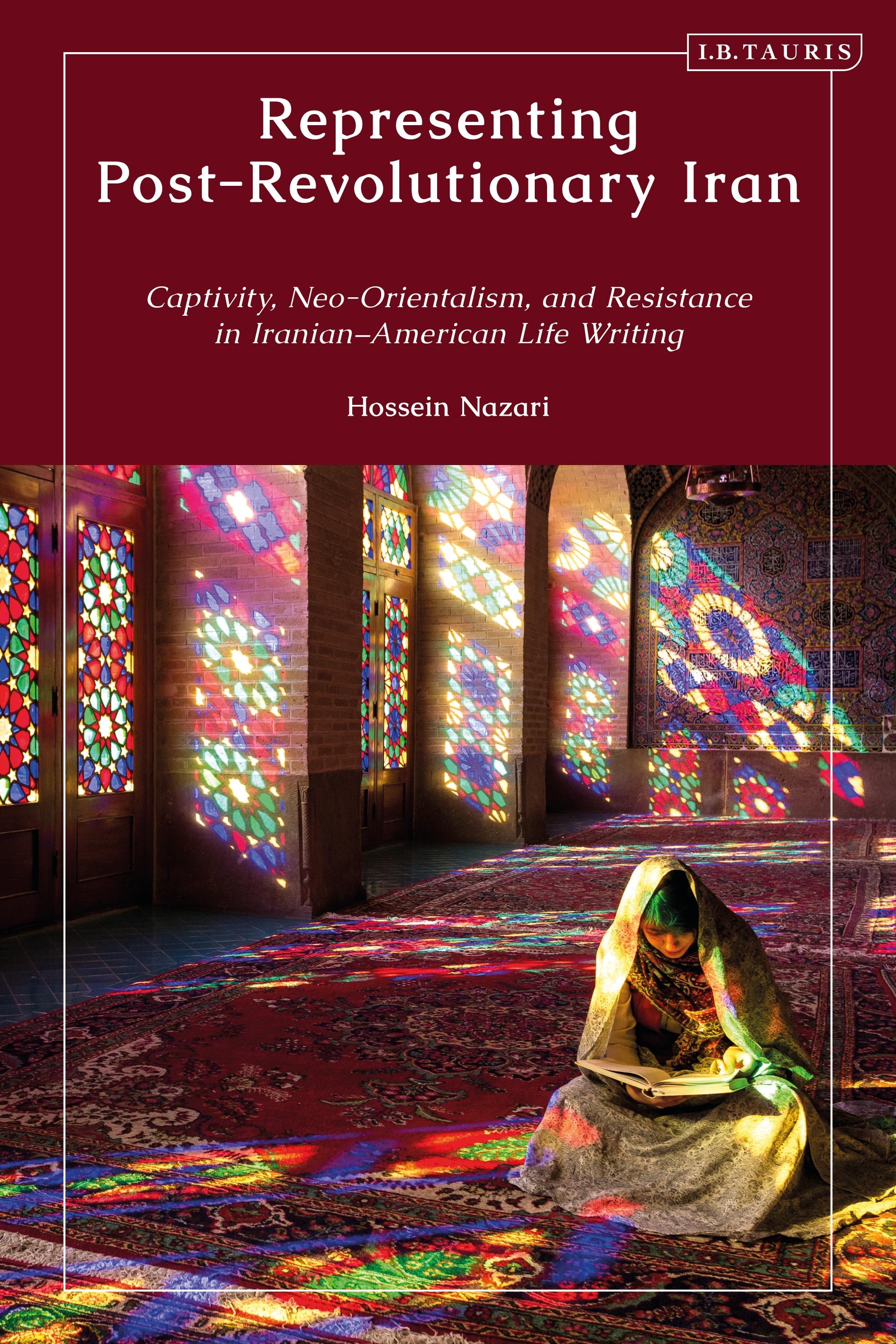
Memoirs of diasporic Iranian-American authors are a unique and culturally powerful way in which Iran, its politics, and people are understood in the USA and the rest of the world. This book offers an analysis of the processes of production, promotion, and reception of the representations of post-revolutionary Iran.
The book provides new perspectives on some of the most famous examples of the genre such as Betty Mahmoody's Not Without My Daughter, Azar Nafisi's Reading Lolita in Tehran: A Memoir in Books, and Fatemeh Keshavarz's Jasmine and Stars: Reading More Than Lolita in Tehran. Hossein Nazari places these texts in their social, historical, and political contexts, tracing their origins within the trope of the American captivity narrative, teasing out and critiquing neo-Orientalist tendencies within, and finally focusing on modes of discursive resistance to neo-Orientalist narratives. The book analyzes the structural means by which stereotypes about Islam and women in the Islamic Republic in these narratives are privileged by news media and the creative industries, while also charting a growing number of 'counterhegemonic' memoirs which challenge these narratives by representing more nuanced accounts of life in Iran after 1979.
The book provides new perspectives on some of the most famous examples of the genre such as Betty Mahmoody's Not Without My Daughter, Azar Nafisi's Reading Lolita in Tehran: A Memoir in Books, and Fatemeh Keshavarz's Jasmine and Stars: Reading More Than Lolita in Tehran. Hossein Nazari places these texts in their social, historical, and political contexts, tracing their origins within the trope of the American captivity narrative, teasing out and critiquing neo-Orientalist tendencies within, and finally focusing on modes of discursive resistance to neo-Orientalist narratives. The book analyzes the structural means by which stereotypes about Islam and women in the Islamic Republic in these narratives are privileged by news media and the creative industries, while also charting a growing number of 'counterhegemonic' memoirs which challenge these narratives by representing more nuanced accounts of life in Iran after 1979.
Zahle einfach mit Karte, Klarna, Apple Pay oder Google Pay. Nicht zufrieden? Du hast immer ein 14-tägiges Widerrufsrecht. Lies mehr in unseren AGB. Hast du Fragen, schreib uns eine E-Mail an hello@memmo.org.
Memmo macht das Lernen einfacher – wo auch immer du bist. Bei uns findest du deine Kursbücher und smarte Lerntools an einem Ort: Zusammenfassungen, Quizzes, Podcasts und Lernkarten. Und Ted, dein Lernbuddy, beantwortet alles, was du wissen möchtest. Über 50.000 Studierende lernen bereits hier – gemacht, damit du schneller lernst und weniger Stress hast.