
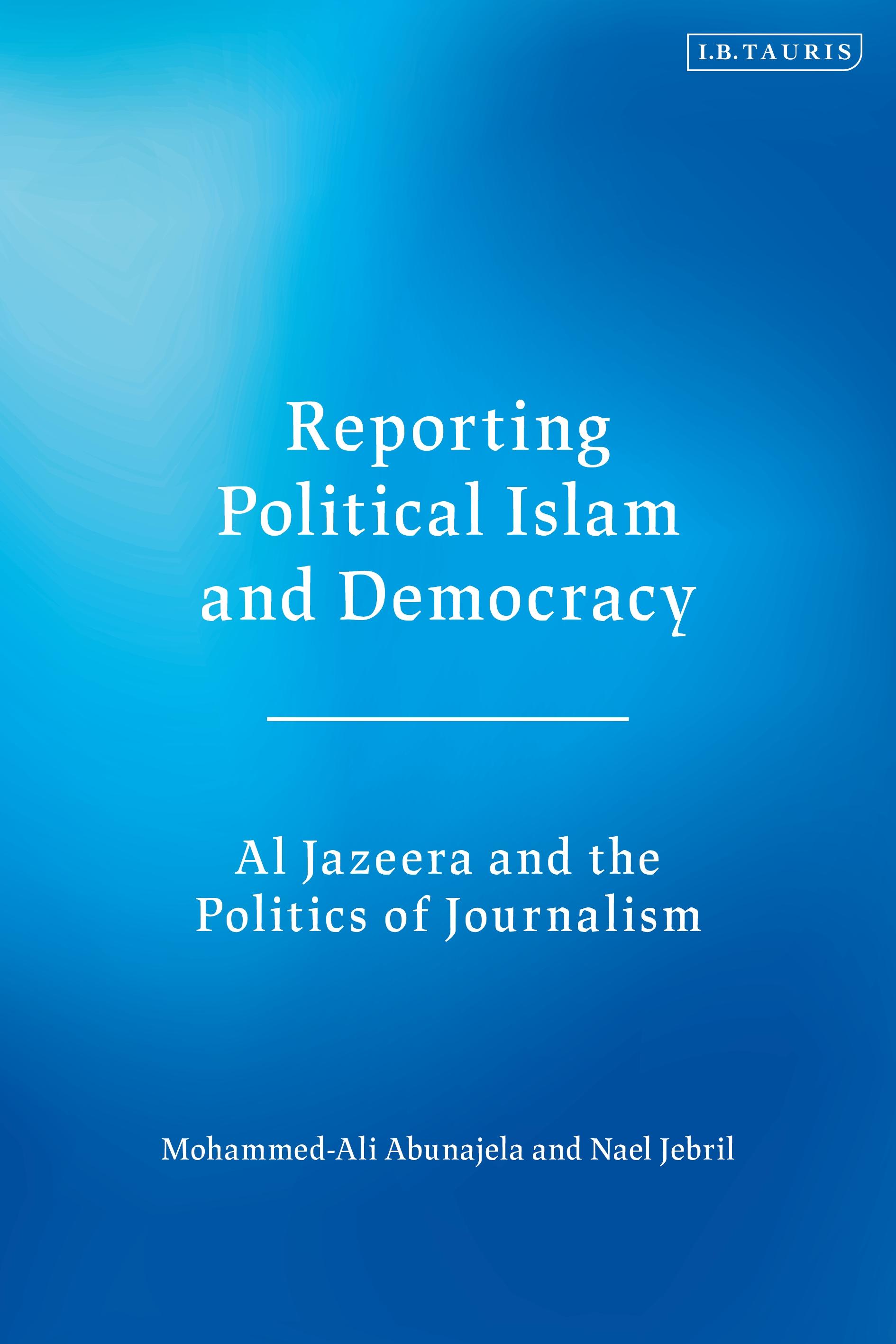
For over a decade, Al Jazeera (Arabic) occupied an unprecedented position among Arab audiences and families. Its attractive and daring news coverage has inspired millions of Arabs, and led other news channels to follow suit by changing their reporting narrative and presentational style. However, in the aftermath of the Arab uprisings in 2011, the close adoption of the Arab uprisings in general, and the Egyptian one in particular, made the channel fall into the eye of the public storm through its extensive 24-hour coverage.
This book assesses whether the channel systematically provided a platform for certain ideologies or ignored others, and if and how Al Jazeera's language had shifted after the 2011 Arab uprisings. It also explores the rationale behind adopting particular editorial principles featured in the analyses, and scrutinises the findings within the framework of media, religion and democratisation.
This book assesses whether the channel systematically provided a platform for certain ideologies or ignored others, and if and how Al Jazeera's language had shifted after the 2011 Arab uprisings. It also explores the rationale behind adopting particular editorial principles featured in the analyses, and scrutinises the findings within the framework of media, religion and democratisation.
Zahle einfach mit Karte, Klarna, Apple Pay oder Google Pay. Nicht zufrieden? Du hast immer ein 14-tägiges Widerrufsrecht. Lies mehr in unseren AGB. Hast du Fragen, schreib uns eine E-Mail an hello@memmo.org.
Memmo macht das Lernen einfacher – wo auch immer du bist. Bei uns findest du deine Kursbücher und smarte Lerntools an einem Ort: Zusammenfassungen, Quizzes, Podcasts und Lernkarten. Und Ted, dein Lernbuddy, beantwortet alles, was du wissen möchtest. Über 50.000 Studierende lernen bereits hier – gemacht, damit du schneller lernst und weniger Stress hast.