
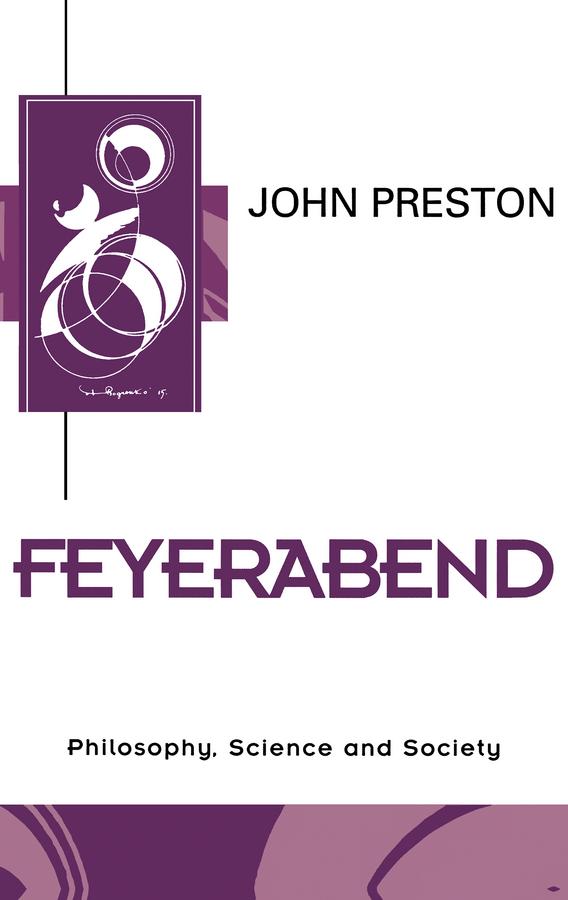
The book traces the evolution of Feyerabend's thought, beginning with his early attempt to graft insights from Wittgenstein's conception of meaning onto Popper's falsificationist philosophy. The key elements of Feyerabend's model of the acquisition of knowledge are identified and critically evaluated. Feyerabend's early work emerges as a continuation of Popper's philosophy of science, rather than as a contribution to the historical approach to science with which he is usually associated.
In his more notorious later work, Feyerabend claimed that there was, and should be, no such thing as the scientific method. The roots of Feyerabend's 'epistemological anarchism' are exposed and the weaknesses of his cultural relativism are brought out.
Throughout the book, Preston discusses the influence of Feyerabend's thought on contemporary philosophers and traces his stimulating but divided legacy. The book will be of interest to students of philosophy, methodology, and the social sciences.
Zahle einfach mit Karte, Klarna, Apple Pay oder Google Pay. Nicht zufrieden? Du hast immer ein 14-tägiges Widerrufsrecht. Lies mehr in unseren AGB. Hast du Fragen, schreib uns eine E-Mail an hello@memmo.org.
Memmo macht das Lernen einfacher – wo auch immer du bist. Bei uns findest du deine Kursbücher und smarte Lerntools an einem Ort: Zusammenfassungen, Quizzes, Podcasts und Lernkarten. Und Ted, dein Lernbuddy, beantwortet alles, was du wissen möchtest. Über 50.000 Studierende lernen bereits hier – gemacht, damit du schneller lernst und weniger Stress hast.