
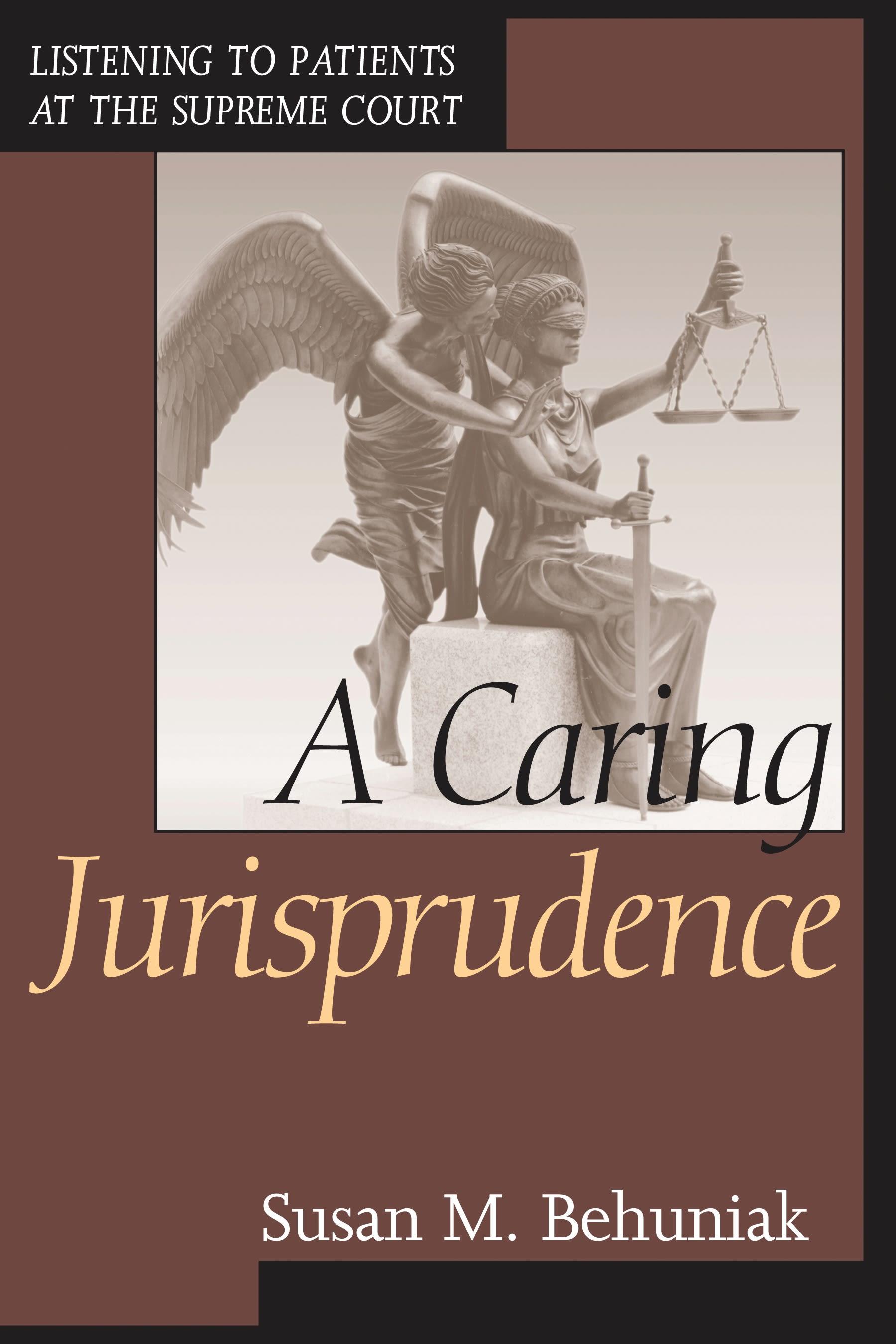
In deciding the abortion and physician assisted suicide cases, a majority of the Justices of the United States Supreme Court drew on medical knowledge to inform their opinions while dismissing the distinctively different knowledge offered by patients. Following the legal norms derived from the ethic of justice, the CourtOs deference toward the Ouniversal,O Oimpartial,O and OreasonedO knowledge of the medical profession and its disregard of the Oparticular,O Oinvolved,O and OemotionalO knowledge of patients seemed inevitable as well as justified. But was it? This book argues that it is both possible and proper to develop a jurisprudence capable of incorporating the knowledge of patients. Drawing on feminist scholarship, this book proposes a model for a Ocaring jurisprudenceO that integrates the ethic of justice and the ethic of care to ensure that patientsO knowledge is included in judicial decision making.
Zahle einfach mit Karte, Klarna, Apple Pay oder Google Pay. Nicht zufrieden? Du hast immer ein 14-tägiges Widerrufsrecht. Lies mehr in unseren AGB. Hast du Fragen, schreib uns eine E-Mail an hello@memmo.org.
Memmo macht das Lernen einfacher – wo auch immer du bist. Bei uns findest du deine Kursbücher und smarte Lerntools an einem Ort: Zusammenfassungen, Quizzes, Podcasts und Lernkarten. Und Ted, dein Lernbuddy, beantwortet alles, was du wissen möchtest. Über 50.000 Studierende lernen bereits hier – gemacht, damit du schneller lernst und weniger Stress hast.