
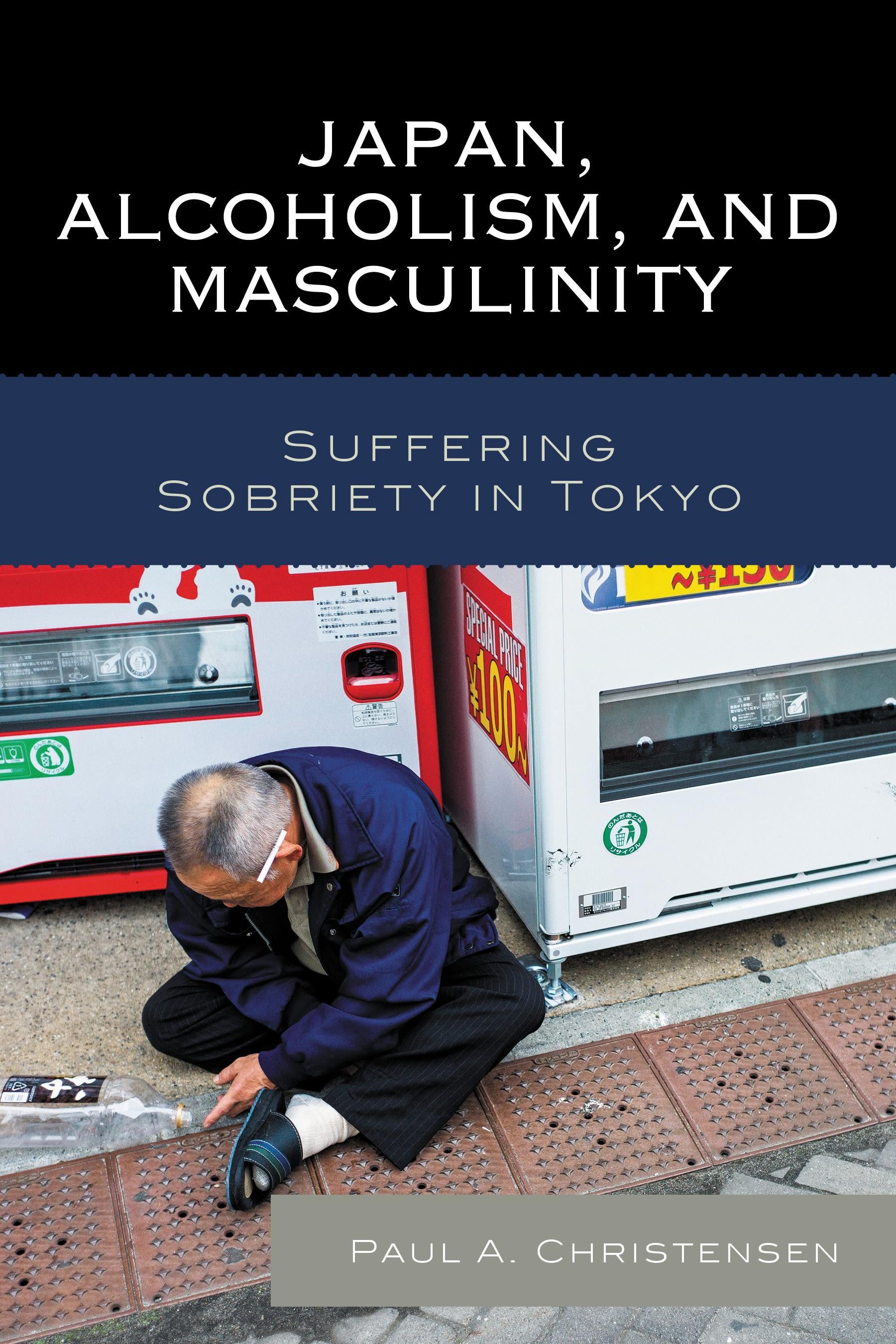
Depictions of an alcohol-saturated Japan populated by intoxicated salarymen, beer dispensing vending machines, and a generally tolerant approach to public drunkenness, typify domestic and international perceptions of Japanese drinking. Even the popular definitions of Japanese masculinity are interwoven with accounts of personal alcohol consumption in public settings; gender norms that exclude and marginalize the alcoholic. And yet the alcoholic also exists in Japan, and exists in a manner revealing of the dominant processes by which alcoholism and addiction are globally influenced, understood, and classified.
As such, this book examines the ways in which alcoholism is understood, accepted, and taken on as an influential and lived aspect of identity among Japanese men. At the most general level, it explores how a subjective idea comes to be regarded as an objective and unassailable fact. Here such a process concerns how the culturally and temporally specific treatment methodology of Alcoholics Anonymous, upon which much of Japan’s other major sobriety association, Danshukai, is also based, has come to be the approach in Japan to diagnosing, treating, and structuring alcoholism as an aspect of individual identity. In particular, the gendered consequences, how this process transpires or is resisted by Japanese men, are considered, as they offer substantial insight into how categories of illness and disease are created, particularly the ramifications of dominant forms of such categorizations across increasingly porous cultural borders. Ramifications that become starkly obvious when Japan’s persistent connection between notions of masculinity and alcohol consumption are considered from the perspective of the sober alcoholic and sobriety group member.
As such, this book examines the ways in which alcoholism is understood, accepted, and taken on as an influential and lived aspect of identity among Japanese men. At the most general level, it explores how a subjective idea comes to be regarded as an objective and unassailable fact. Here such a process concerns how the culturally and temporally specific treatment methodology of Alcoholics Anonymous, upon which much of Japan’s other major sobriety association, Danshukai, is also based, has come to be the approach in Japan to diagnosing, treating, and structuring alcoholism as an aspect of individual identity. In particular, the gendered consequences, how this process transpires or is resisted by Japanese men, are considered, as they offer substantial insight into how categories of illness and disease are created, particularly the ramifications of dominant forms of such categorizations across increasingly porous cultural borders. Ramifications that become starkly obvious when Japan’s persistent connection between notions of masculinity and alcohol consumption are considered from the perspective of the sober alcoholic and sobriety group member.
Seiten: 182
Kategorie: Kultur-, Genus- & Postkoloniala studier
e-ISBN: 9780739192054
Versandgewicht: 1.2 kg
Versand in: 1-2 Tage
Zahle einfach mit Karte, Klarna, Apple Pay oder Google Pay. Nicht zufrieden? Du hast immer ein 14-tägiges Widerrufsrecht. Lies mehr in unseren AGB. Hast du Fragen, schreib uns eine E-Mail an hello@memmo.org.
Memmo macht das Lernen einfacher – wo auch immer du bist. Bei uns findest du deine Kursbücher und smarte Lerntools an einem Ort: Zusammenfassungen, Quizzes, Podcasts und Lernkarten. Und Ted, dein Lernbuddy, beantwortet alles, was du wissen möchtest. Über 50.000 Studierende lernen bereits hier – gemacht, damit du schneller lernst und weniger Stress hast.