
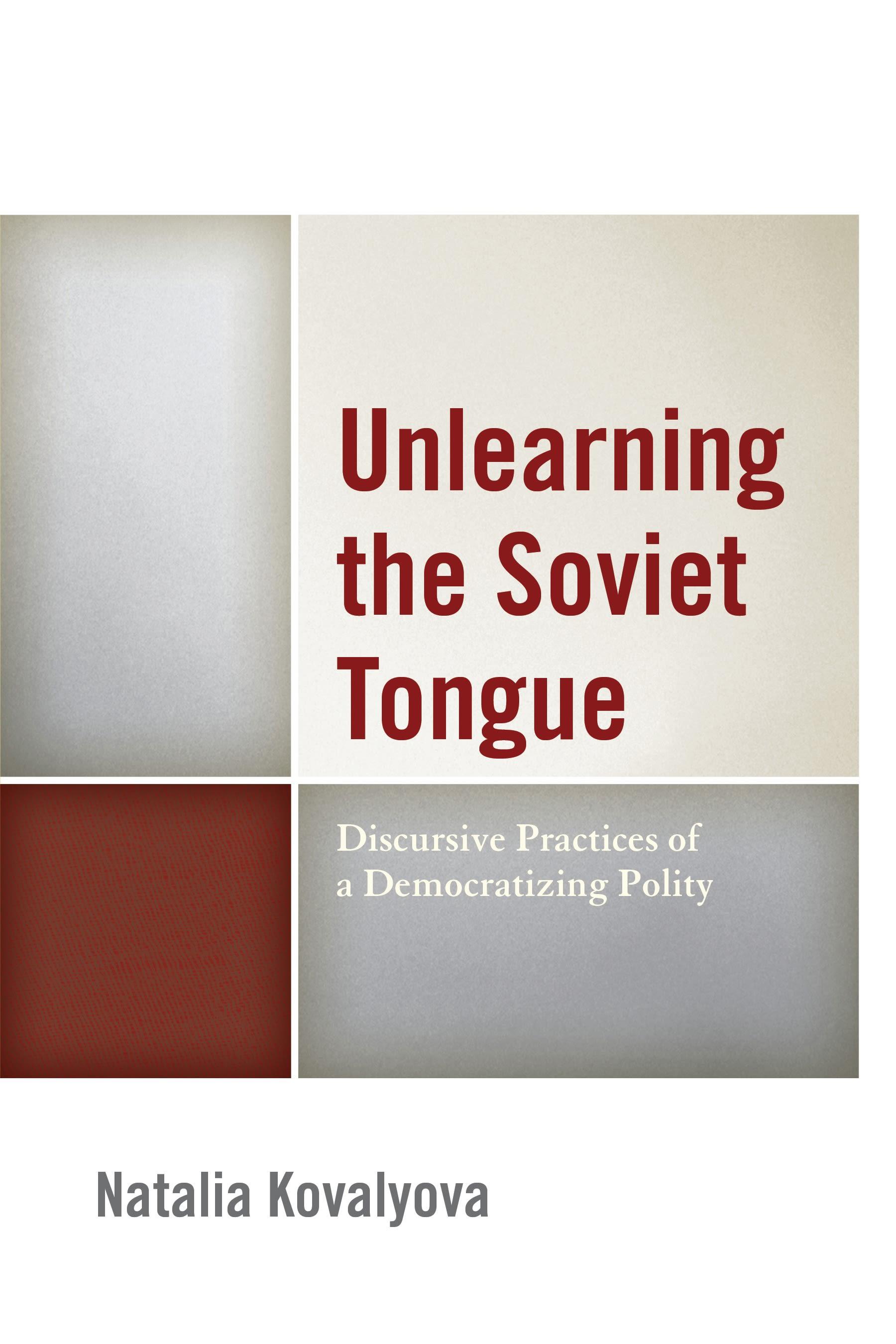
How do countries democratize? What route does the way out of totalitarianism take? Students of Russian politics have pursued answers to these questions by surveying Russians on a variety of attitudes, beliefs, norms, and practices. This bookattends to political discourse to demonstrate how it creates and constraints political opportunities. Itexaminesan important period of Russian political history: from Boris Yeltsin’s second presidential election in 1996, when democracy was pronounced victorious, through its gradual slide toward authoritarian practices during Vladimir Putin’s initial two terms in office, and to the election of his protégé Dmitry Medvedev in 2008. This analysis challenges the assertions ofRussian democracy as doomed by the governing rationalities of the elites. Likewise, it refutesthe notion of Russians as an apathetic nation in chronic need of a “strong hand.” It argues that if we are to understand how Russia lives, how it endures, and how it can change, we need to pay attention to the discourses that shape Russian political identities and the nation’s political future.
Zahle einfach mit Karte, Klarna, Apple Pay oder Google Pay. Nicht zufrieden? Du hast immer ein 14-tägiges Widerrufsrecht. Lies mehr in unseren AGB. Hast du Fragen, schreib uns eine E-Mail an hello@memmo.org.
Memmo macht das Lernen einfacher – wo auch immer du bist. Bei uns findest du deine Kursbücher und smarte Lerntools an einem Ort: Zusammenfassungen, Quizzes, Podcasts und Lernkarten. Und Ted, dein Lernbuddy, beantwortet alles, was du wissen möchtest. Über 50.000 Studierende lernen bereits hier – gemacht, damit du schneller lernst und weniger Stress hast.