
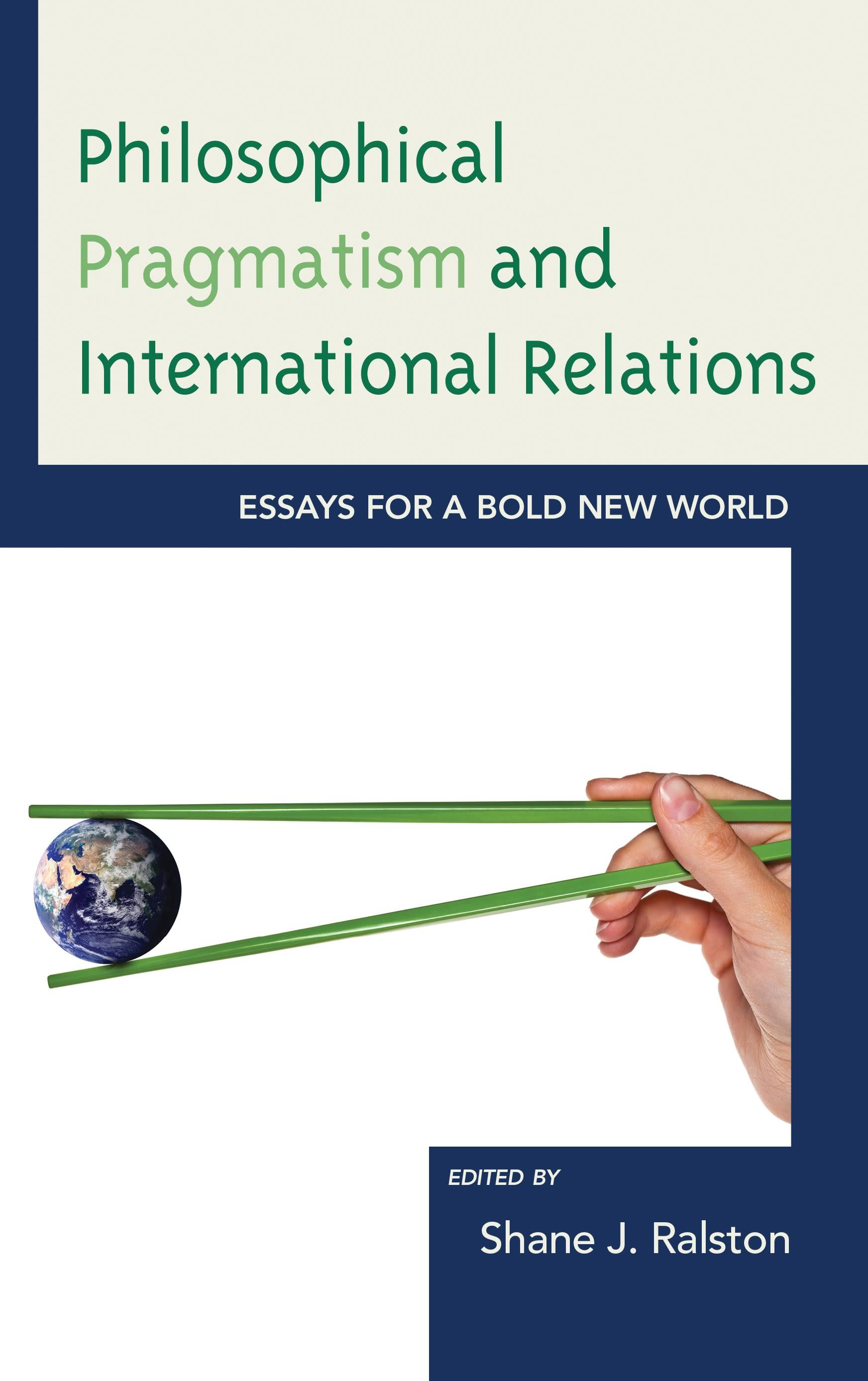
What are the implications of philosophical pragmatism for international relations theory and foreign policy practice? According to John Ryder, “a foreign policy built on pragmatist principles is neither naïve nor dangerous. In fact, it is very much what both the U.S. and the world are currently in need of.” Close observers of Barack Obama’s foreign policy statements have also raised the possibility of a distinctly pragmatist approach to international relations. Absent from the three dominant theoretical perspectives in the field—realism, idealism and constructivism—is any mention of pragmatism, except in the very limited, instrumentalist sense of choosing appropriate foreign policy tools to achieve proposed policy objectives. The key commitments of any international relations approach in the pragmatist tradition could include a flexible approach to crafting policy ends, theory integrally related to practice, a concern for both the normative and explanatory dimensions of international relations research, and policy means treated as hypotheses for experimental testing. Following the example of classic pragmatists such as John Dewey and neo-pragmatists like Richard Rorty, international relations scholars and foreign policy practitioners would have to forgo grand theories, instead embracing a situationally-specific approach to understanding and addressing emerging global problems. Unfortunately, commentary on the relationship between philosophical pragmatism and international relations has been limited. The authors in Philosophical Pragmatism and International Relations remedies this lacuna by exploring ways in which philosophical pragmatism, both classic and contemporary, can inform international relations theory and foreign policy practice today.
Seiten: 236
Kategorie: Statsvetenskap & Politik
e-ISBN: 9780739183779
Versandgewicht: 1.2 kg
Versand in: 1-2 Tage
Zahle einfach mit Karte, Klarna, Apple Pay oder Google Pay. Nicht zufrieden? Du hast immer ein 14-tägiges Widerrufsrecht. Lies mehr in unseren AGB. Hast du Fragen, schreib uns eine E-Mail an hello@memmo.org.
Memmo macht das Lernen einfacher – wo auch immer du bist. Bei uns findest du deine Kursbücher und smarte Lerntools an einem Ort: Zusammenfassungen, Quizzes, Podcasts und Lernkarten. Und Ted, dein Lernbuddy, beantwortet alles, was du wissen möchtest. Über 50.000 Studierende lernen bereits hier – gemacht, damit du schneller lernst und weniger Stress hast.