
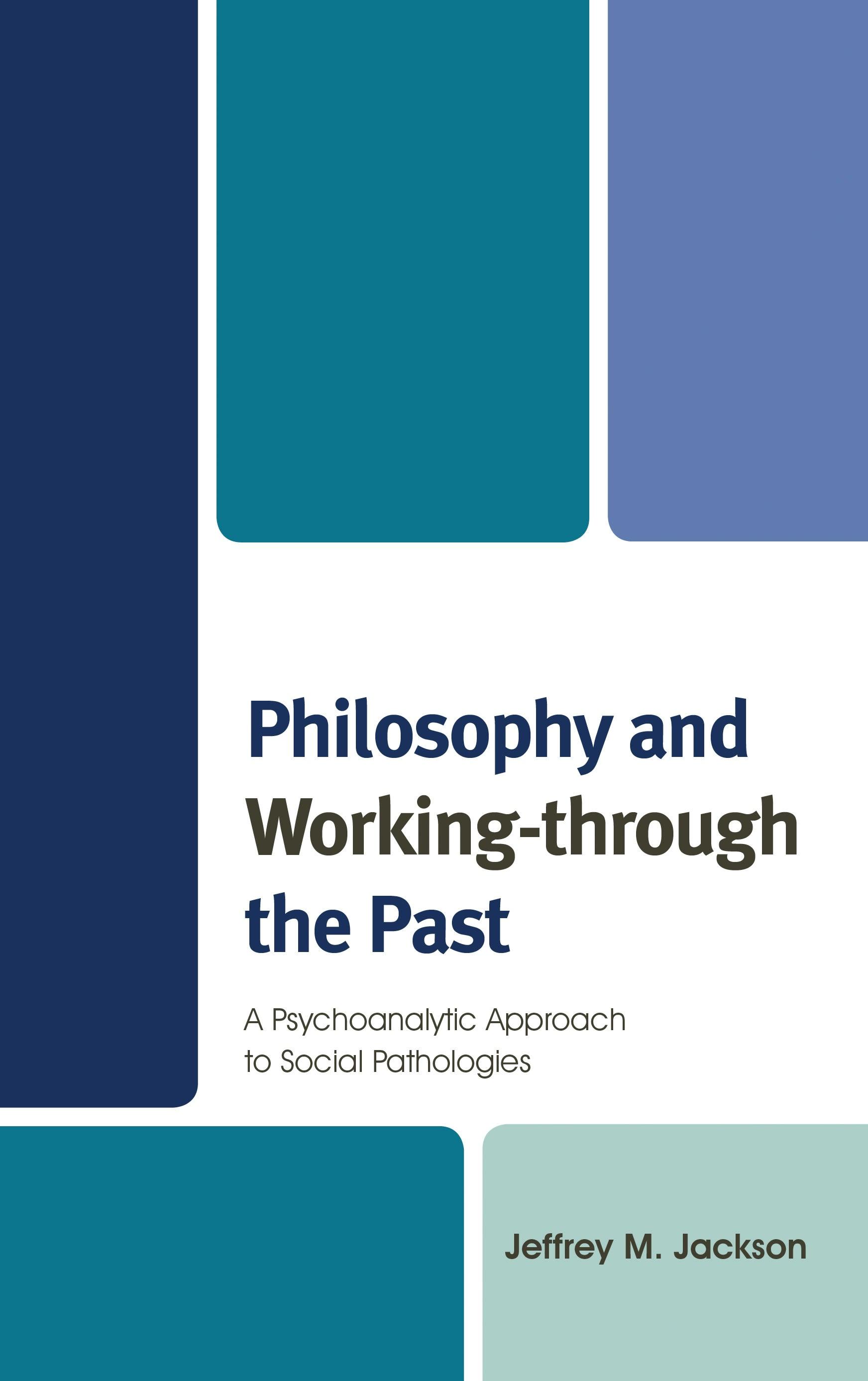
At certain moments in his political essays, Kant conceives of socio-historical emancipation as a process of working ourselves out of pathological legacies, suggesting that emancipation would involve a process of working through our affective attachments to entrenched, regressive social arrangements. Jackson shows how Freud’s analyses of melancholia, mania and the work of mourning can contribute to an understanding of key dimensions of such pathological social fixations, as well as the possibility of working through the past. This book argues that bringing Freud’s provocative analyses of loss to bear on particular philosophical treatments of history leads to a more coherent, psychoanalytically informed understanding of history. Although Freud does not himself integrate these themes into a theory of socio-political emancipation, his thinking nonetheless can be read as contributing to such a theory. To develop this idea the book draws on thinkers such as Karl Marx, Theodor Adorno, Edmund Husserl, Martin Heidegger, Axel Honneth, and Judith Butler. The book engages students and scholars of contemporary continental philosophy by arguing for connections between psychoanalysis, philosophy, and critical theory.
Zahle einfach mit Karte, Klarna, Apple Pay oder Google Pay. Nicht zufrieden? Du hast immer ein 14-tägiges Widerrufsrecht. Lies mehr in unseren AGB. Hast du Fragen, schreib uns eine E-Mail an hello@memmo.org.
Memmo macht das Lernen einfacher – wo auch immer du bist. Bei uns findest du deine Kursbücher und smarte Lerntools an einem Ort: Zusammenfassungen, Quizzes, Podcasts und Lernkarten. Und Ted, dein Lernbuddy, beantwortet alles, was du wissen möchtest. Über 50.000 Studierende lernen bereits hier – gemacht, damit du schneller lernst und weniger Stress hast.