
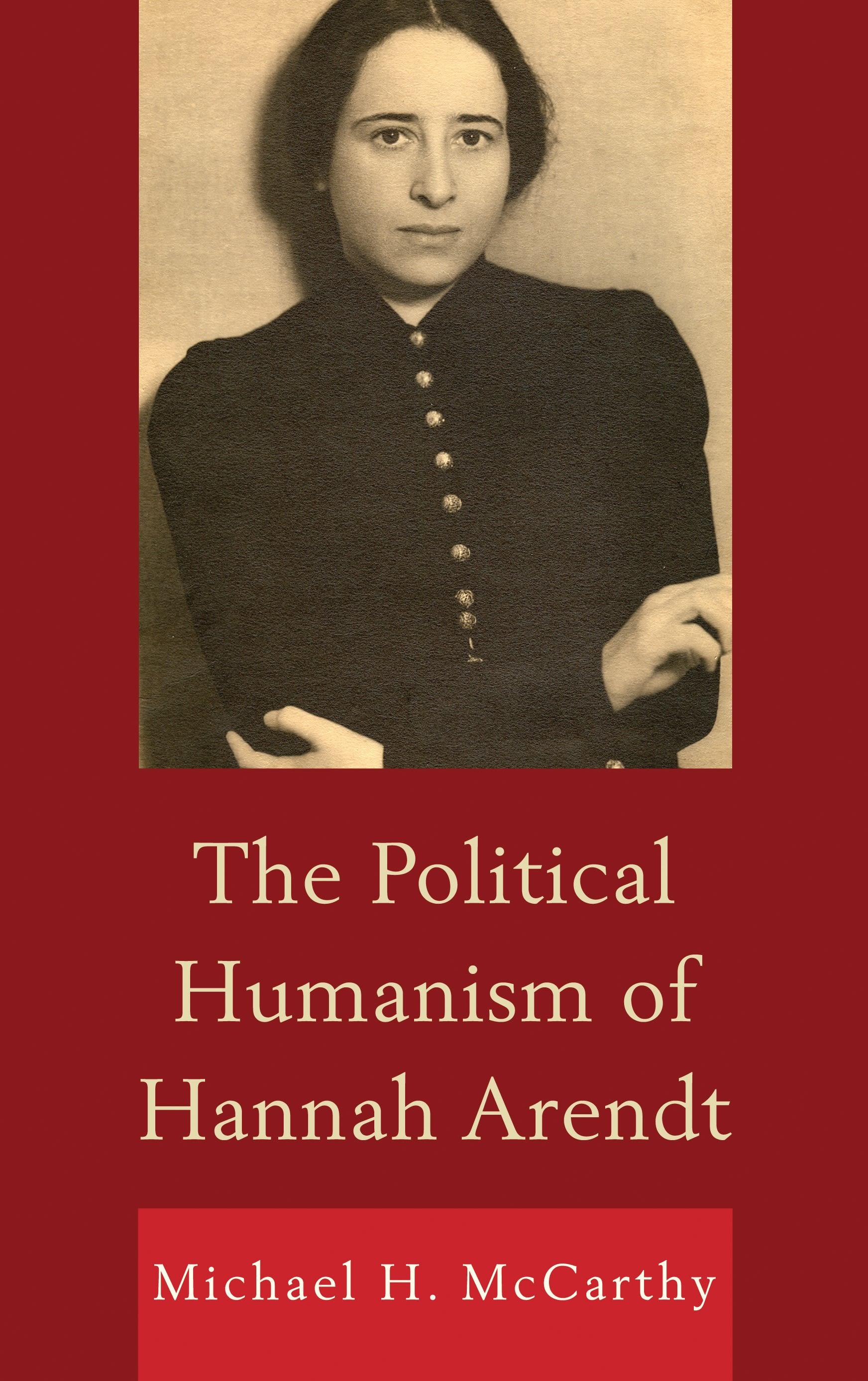
At the end of the Second World War when the horror of the holocaust became known, Hannah Arendt committed herself to a work of remembrance and reflection. Intellectual integrity demanded that we comprehend and articulate the genesis and meaning of totalitarian terror. What earlier spiritual and moral collapse had made totalitarian regimes possible? What was the basis of their evident mass appeal? To what cultural resources and political institutions and traditions could we turn to prevent their recurrence? After years of profound study, Arendt concluded that the deepest crisis of the modern world was political and that the enduring appeal of political mass movements demonstrated how profound that crisis had become.
For Arendt the modern political crisis is also a crisis of humanism. The radical totalitarian experiment was rooted in two distorted images of the human being. The agents of terror believed in the limitless power generated by strategic organization, a power exercised without restraint and justified by appeal to historical necessity. The victims of terror, by contrast, were systematically dehumanized by the ruling ideology, and then brutally deprived of their legal rights and their moral and existential dignity. Arendt’s political humanism directly challenges both of these distorted images, the first because it dangerously inflates human power, the second because it deliberately subverts human freedom and agency.
This book offers a dialectical account of the political crisis that Arendt identified and shows why her interpretation of that crisis is especially relevant today. The author also provides detailed analysis and appraisal of Arendt’s political humanism, the revisionary anthropology she based on the politically engaged republican citizen. Finally, the work distinguishes the merits from the limitations of Arendt’s genealogical critique of “our tradition of political thought”, showing that she tended to be right in what she affirmed and wrong in what she excluded or omitted.
For Arendt the modern political crisis is also a crisis of humanism. The radical totalitarian experiment was rooted in two distorted images of the human being. The agents of terror believed in the limitless power generated by strategic organization, a power exercised without restraint and justified by appeal to historical necessity. The victims of terror, by contrast, were systematically dehumanized by the ruling ideology, and then brutally deprived of their legal rights and their moral and existential dignity. Arendt’s political humanism directly challenges both of these distorted images, the first because it dangerously inflates human power, the second because it deliberately subverts human freedom and agency.
This book offers a dialectical account of the political crisis that Arendt identified and shows why her interpretation of that crisis is especially relevant today. The author also provides detailed analysis and appraisal of Arendt’s political humanism, the revisionary anthropology she based on the politically engaged republican citizen. Finally, the work distinguishes the merits from the limitations of Arendt’s genealogical critique of “our tradition of political thought”, showing that she tended to be right in what she affirmed and wrong in what she excluded or omitted.
Zahle einfach mit Karte, Klarna, Apple Pay oder Google Pay. Nicht zufrieden? Du hast immer ein 14-tägiges Widerrufsrecht. Lies mehr in unseren AGB. Hast du Fragen, schreib uns eine E-Mail an hello@memmo.org.
Memmo macht das Lernen einfacher – wo auch immer du bist. Bei uns findest du deine Kursbücher und smarte Lerntools an einem Ort: Zusammenfassungen, Quizzes, Podcasts und Lernkarten. Und Ted, dein Lernbuddy, beantwortet alles, was du wissen möchtest. Über 50.000 Studierende lernen bereits hier – gemacht, damit du schneller lernst und weniger Stress hast.