
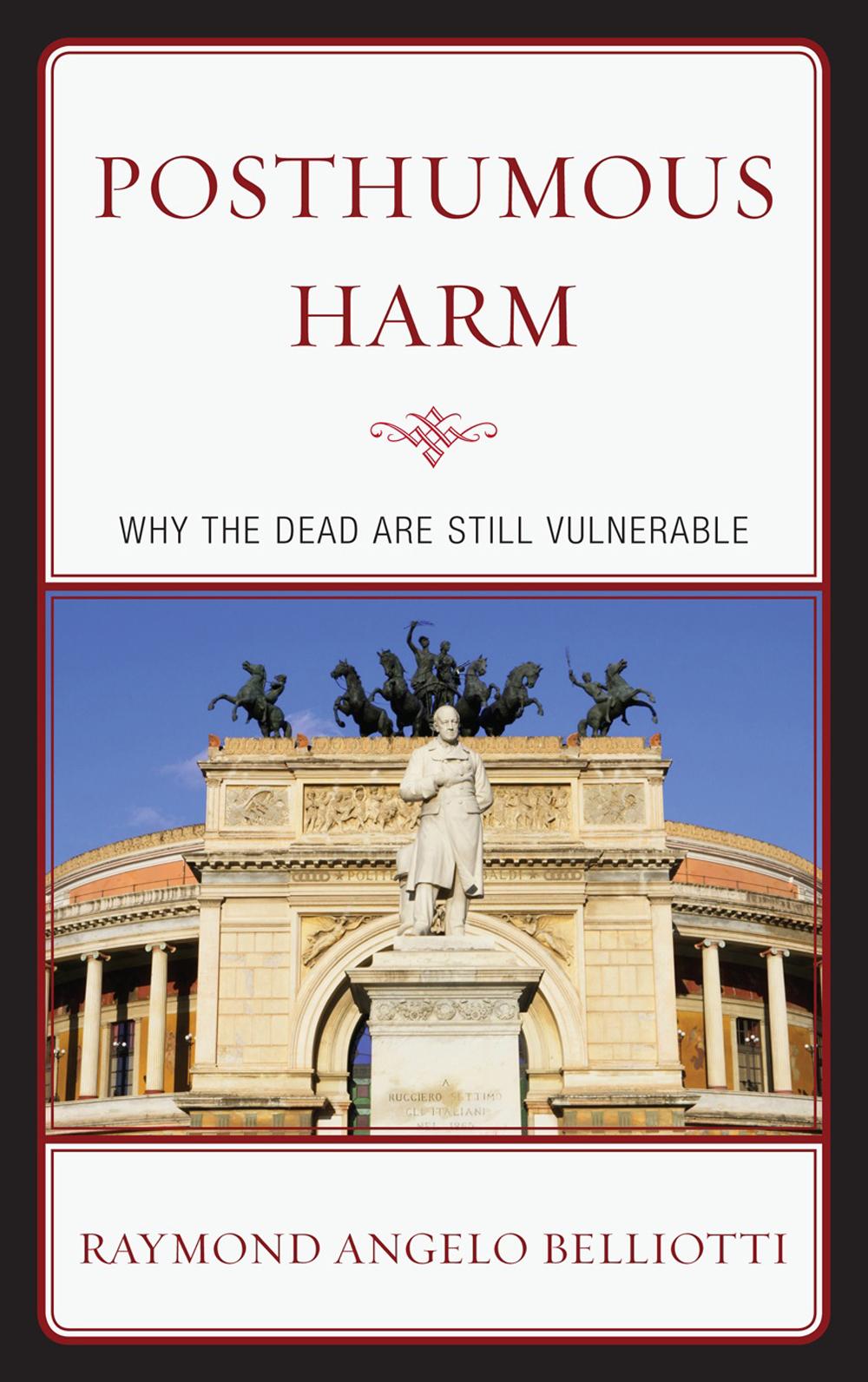
Reasonable people agree that, other things being equal, it is immoral to fail to fulfill deathbed promises, to maliciously defame the dead, and to mistreat corpses. But philosophical controversy swirls over why such acts are morally wrong. Are these acts wrong only because they violate moral norms against breaking promises, lying, and abusing others? Are these acts morally deficient because they wrong the dead? Are these acts morally wrong because they harm or injure the dead? Or are these acts blameworthy because they wrong, harm, or injure those who survive the deaths? Who are the genuine victims, if any, of these morally wrong acts?
When first confronting such questions seriously, we discover paradoxes. On one hand, we are inclined to think that the dead person is in some sense wronged, harmed, or injured by posthumous treachery. After all, when a promise is broken, when someone is maliciously defamed, and when someone’s request concerning the disposition of his remains is dismissed, we are inclined to think of the victims as the promisee, the defamed person, and the ignored person, respectively. On the other hand, in the case of the dead there are no “people” who might be identified as victims. Assuming that death marks finality, once we are dead we are no more. So perhaps the typical moral paradigms dissolve in such cases. Posthumous Harm: Why the Deadare Still Vulnerable addresses these issues and the host of questions surrounding them.
When first confronting such questions seriously, we discover paradoxes. On one hand, we are inclined to think that the dead person is in some sense wronged, harmed, or injured by posthumous treachery. After all, when a promise is broken, when someone is maliciously defamed, and when someone’s request concerning the disposition of his remains is dismissed, we are inclined to think of the victims as the promisee, the defamed person, and the ignored person, respectively. On the other hand, in the case of the dead there are no “people” who might be identified as victims. Assuming that death marks finality, once we are dead we are no more. So perhaps the typical moral paradigms dissolve in such cases. Posthumous Harm: Why the Deadare Still Vulnerable addresses these issues and the host of questions surrounding them.
Zahle einfach mit Karte, Klarna, Apple Pay oder Google Pay. Nicht zufrieden? Du hast immer ein 14-tägiges Widerrufsrecht. Lies mehr in unseren AGB. Hast du Fragen, schreib uns eine E-Mail an hello@memmo.org.
Memmo macht das Lernen einfacher – wo auch immer du bist. Bei uns findest du deine Kursbücher und smarte Lerntools an einem Ort: Zusammenfassungen, Quizzes, Podcasts und Lernkarten. Und Ted, dein Lernbuddy, beantwortet alles, was du wissen möchtest. Über 50.000 Studierende lernen bereits hier – gemacht, damit du schneller lernst und weniger Stress hast.