
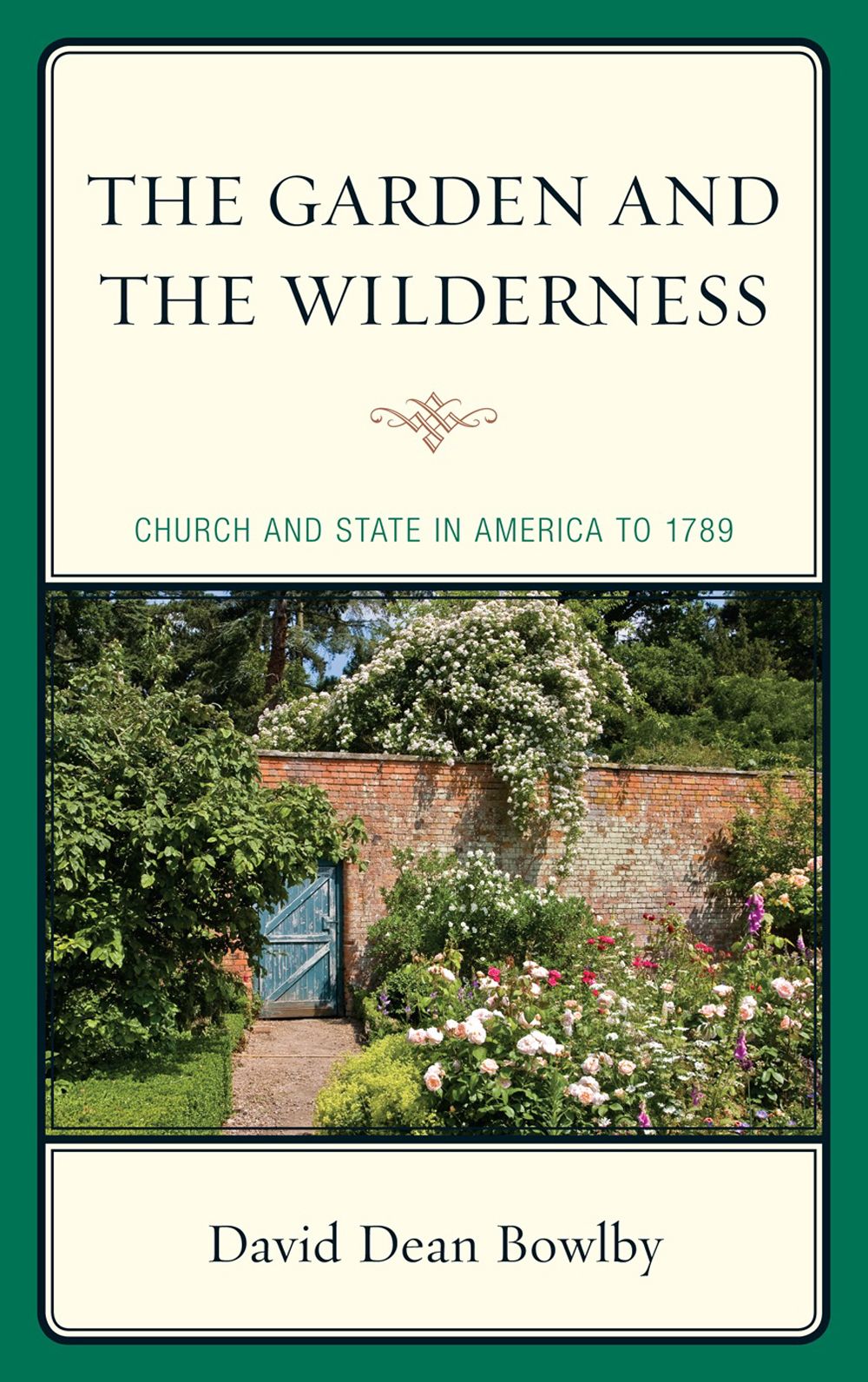
In this well-researched, informative history, David Dean Bowlby examines church and state in the American colonies and the early national period up to the framing of the religion clauses of the First Amendment by the First Congress. Bowlby describes the history of the church and state up to that time as one involving the struggle of religious minorities against church establishments, with increasingly vocal calls for the free exercise of religion, liberty of conscience, and disestablishment.
He shows that when the religion clauses were framed, people feared that the establishment of religion would lead to the domination of one particular denomination or sect, resulting in compulsory church taxes, obligatory attendance at religious services, and adherence to orthodox doctrines and liturgy. By focusing on the relationship between religious establishments and free exercise, he makes the case that the establishment clause and free exercise of religion must be taken together as a guarantee of religious liberty, because where a religious establishment was present the full and free exercise of religion was not. It was this concern that prompted the prohibitive language of the clauses—the Founders meant to protect the latter by forbidding the former.
He shows that when the religion clauses were framed, people feared that the establishment of religion would lead to the domination of one particular denomination or sect, resulting in compulsory church taxes, obligatory attendance at religious services, and adherence to orthodox doctrines and liturgy. By focusing on the relationship between religious establishments and free exercise, he makes the case that the establishment clause and free exercise of religion must be taken together as a guarantee of religious liberty, because where a religious establishment was present the full and free exercise of religion was not. It was this concern that prompted the prohibitive language of the clauses—the Founders meant to protect the latter by forbidding the former.
Zahle einfach mit Karte, Klarna, Apple Pay oder Google Pay. Nicht zufrieden? Du hast immer ein 14-tägiges Widerrufsrecht. Lies mehr in unseren AGB. Hast du Fragen, schreib uns eine E-Mail an hello@memmo.org.
Memmo macht das Lernen einfacher – wo auch immer du bist. Bei uns findest du deine Kursbücher und smarte Lerntools an einem Ort: Zusammenfassungen, Quizzes, Podcasts und Lernkarten. Und Ted, dein Lernbuddy, beantwortet alles, was du wissen möchtest. Über 50.000 Studierende lernen bereits hier – gemacht, damit du schneller lernst und weniger Stress hast.