
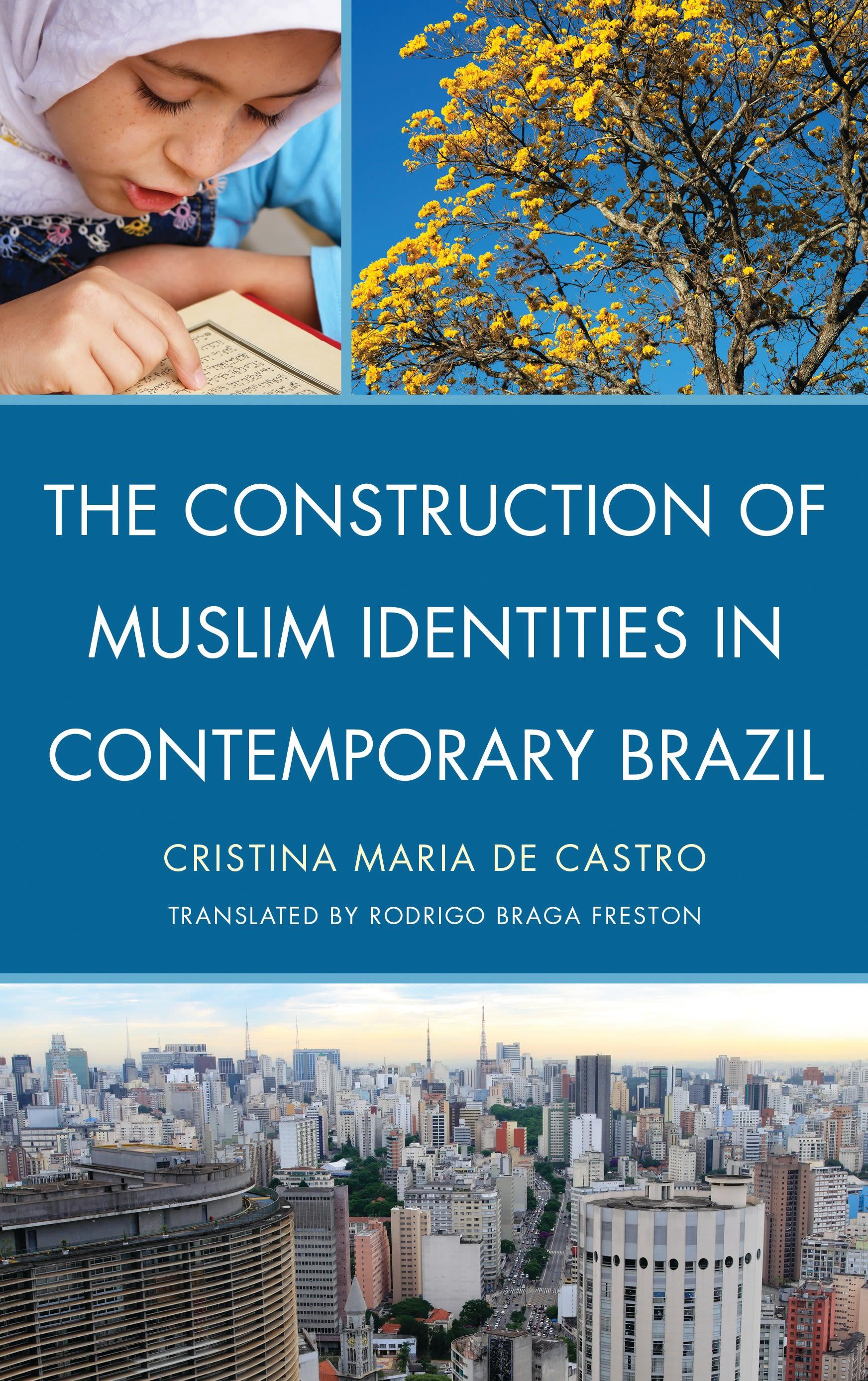
This book shows the results of my doctoral thesis in Social Sciences about the construction of Muslim identities in São Paulo, the state which receives more Muslim immigrants in Brazil. The issue of construction of identities of this religious minority was undertaken in relation to: a) the pressures of Brazilian society, characterized by the strong presence of Catholicism, the growth of Protestantism, the fundamentally Western culture, the secular state, the dependency of the USA and the tradition of welcoming immigrants and absorbing them in a process of Brazilianization; b) the impact of globalization over this minority group, both in the sense of the propagation of negative stereotypes in relation to Islam and its faithful, as a consequence of the influence of the Orientalist media and academia, as well as the sense of strengthening of the bonds of the diaspora with the rest of the Muslim world; c) the internal negotiations between immigrants and converts and between men and women for the definition of what is a Muslim; and d) the possible appearance of different Islamic practices and discourses generated by diversified occupations, ethnicities and spatial distributions, through the comparative study of the Muslim communities of Campinas and São Paulo city.
Besides illustrating the variety of values, conceptions and beliefs Muslims have in Brazil, this work intends to facilitate the perception of what is a product of the national and cultural context and what is a product of global tendencies that influence Muslim minorities throughout the world, presenting a comparative research between the Muslim communities in Brazil and the Netherlands.
Besides illustrating the variety of values, conceptions and beliefs Muslims have in Brazil, this work intends to facilitate the perception of what is a product of the national and cultural context and what is a product of global tendencies that influence Muslim minorities throughout the world, presenting a comparative research between the Muslim communities in Brazil and the Netherlands.
Zahle einfach mit Karte, Klarna, Apple Pay oder Google Pay. Nicht zufrieden? Du hast immer ein 14-tägiges Widerrufsrecht. Lies mehr in unseren AGB. Hast du Fragen, schreib uns eine E-Mail an hello@memmo.org.
Memmo macht das Lernen einfacher – wo auch immer du bist. Bei uns findest du deine Kursbücher und smarte Lerntools an einem Ort: Zusammenfassungen, Quizzes, Podcasts und Lernkarten. Und Ted, dein Lernbuddy, beantwortet alles, was du wissen möchtest. Über 50.000 Studierende lernen bereits hier – gemacht, damit du schneller lernst und weniger Stress hast.