
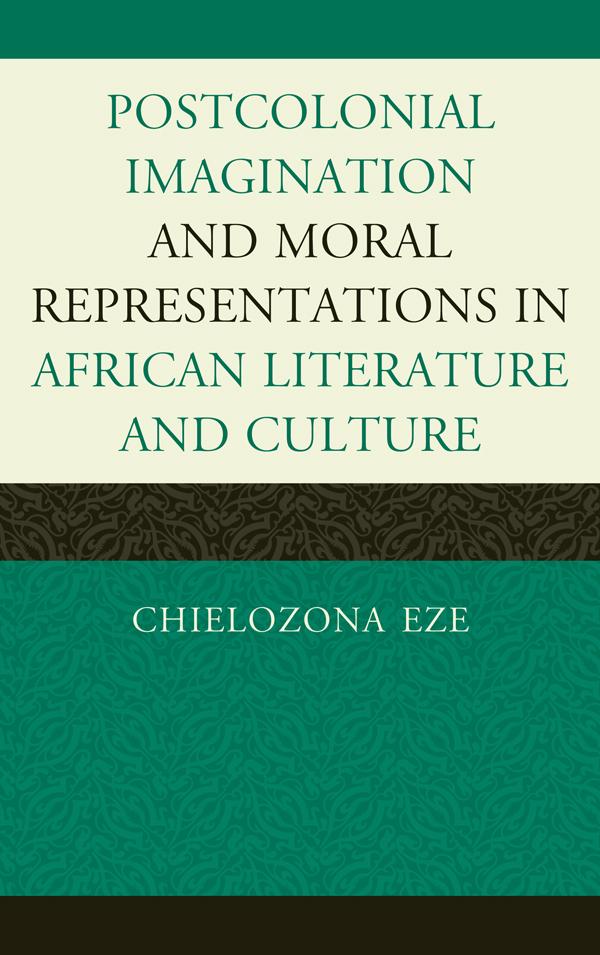
The postcolonial African culture, as it is discoursed in the academia, is largely influenced by Africa’s response to colonialism. To the degree that it is a response, it is to considerably reactive, and lacks forceful moral incentives for social critical consciousness and nation-building. Quite on the contrary, it allows especially African political leaders to luxuriate in the delusions of moral rectitude, imploring, at will, the evil of imperialism as a buffer to their disregard of their people. This book acknowledges the social and psychological devastations of colonialism on the African world. It, however, argues that the totality of African intellectual response to colonialism and Western imperialism is equally, if not more, damaging to the African world. In what ways does the average African leader, indeed, the average African, judge and respond to his world? How does he conceive of his responsibility towards his community and society?
The most obvious impact of African response to colonialism is the implicit search for a pristine, innocent paradigm in, for instance, literary, philosophical, social, political and gender studies. This search has its own moral implication in the sense that it makes the taking of responsibility on individual and social level highly difficult. Focusing on the moral impact of responses to colonialism in Africa and the African Diaspora, this book analyzes the various manifestations of delusions of moral innocence that has held the African leadership from the onerous task of bearing responsibility for their countries; it argues that one of the ways to recast the African leaders’ responsibility towards Africa is to let go, on the one hand, the gaze of the West, and on the other, of the search for the innocent African experience and cultures.
Relying on the insights of thinkers such as Frantz Fanon, Wole Soyinka, Kwame Anthony Appiah, Achille Mbembe and Wolgang Welsch, this book suggests new approaches to interpreting African experiences. It discusses select African works of fiction as a paradigm for new interpretations of African experiences.
The most obvious impact of African response to colonialism is the implicit search for a pristine, innocent paradigm in, for instance, literary, philosophical, social, political and gender studies. This search has its own moral implication in the sense that it makes the taking of responsibility on individual and social level highly difficult. Focusing on the moral impact of responses to colonialism in Africa and the African Diaspora, this book analyzes the various manifestations of delusions of moral innocence that has held the African leadership from the onerous task of bearing responsibility for their countries; it argues that one of the ways to recast the African leaders’ responsibility towards Africa is to let go, on the one hand, the gaze of the West, and on the other, of the search for the innocent African experience and cultures.
Relying on the insights of thinkers such as Frantz Fanon, Wole Soyinka, Kwame Anthony Appiah, Achille Mbembe and Wolgang Welsch, this book suggests new approaches to interpreting African experiences. It discusses select African works of fiction as a paradigm for new interpretations of African experiences.
Seiten: 178
Kategorie: Kultur-, Genus- & Postkoloniala studier
e-ISBN: 9780739145081
Versandgewicht: 1.2 kg
Versand in: 1-2 Tage
Zahle einfach mit Karte, Klarna, Apple Pay oder Google Pay. Nicht zufrieden? Du hast immer ein 14-tägiges Widerrufsrecht. Lies mehr in unseren AGB. Hast du Fragen, schreib uns eine E-Mail an hello@memmo.org.
Memmo macht das Lernen einfacher – wo auch immer du bist. Bei uns findest du deine Kursbücher und smarte Lerntools an einem Ort: Zusammenfassungen, Quizzes, Podcasts und Lernkarten. Und Ted, dein Lernbuddy, beantwortet alles, was du wissen möchtest. Über 50.000 Studierende lernen bereits hier – gemacht, damit du schneller lernst und weniger Stress hast.