
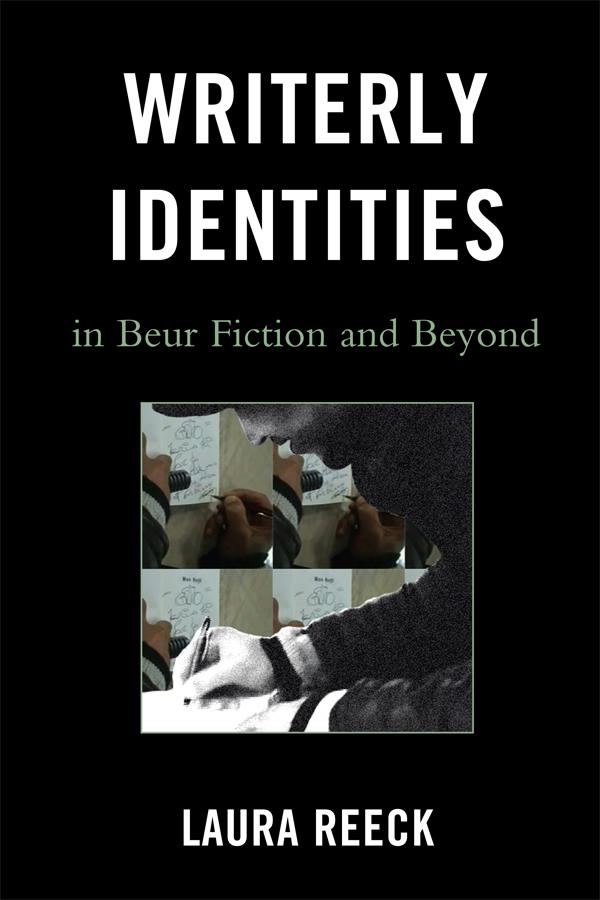
Writerly Identities in Beur Fiction and Beyond explores the Beur/banlieue literary and cultural field from its beginnings in the 1980s to the present. It examines a set of postcolonial Bildungsroman novels by Azouz Begag, Farida Belghoul, Leïla Sebbar, Saïd Mohamed, Rachid Djaïdani, and Mohamed Razane. In these novels, the central characters are authors who struggle to find self-identity and a place in the world through writing and authorship. The book thus explores the different ways all these novels relate the process of "becoming" to the process of writing. Neither is straightforward as the author-characters struggle to put their lives into words, settle upon a genre of writing, and adopt an authorial persona.
Each chapter of Writerly Identities in Beur Fiction and Beyond focuses on a given author's own relationship to writing before assessing his or her use of the author-character as a proxy. In so doing, the study as a whole explores a set of literary questions (genre, textual authority, reception) and engages them against the backdrop of socio-cultural challenges facing contemporary French society. These include debates on education, cultural literacy, diversity and equal opportunity, and the "banlieue" environment. Finally, it argues in relation to the authors and novels in question for the particular relevance of "rooted and vernacular" cosmopolitanism, which suggests both that exploration of the world must begin at home and that stories are crucial for such explorations.
Each chapter of Writerly Identities in Beur Fiction and Beyond focuses on a given author's own relationship to writing before assessing his or her use of the author-character as a proxy. In so doing, the study as a whole explores a set of literary questions (genre, textual authority, reception) and engages them against the backdrop of socio-cultural challenges facing contemporary French society. These include debates on education, cultural literacy, diversity and equal opportunity, and the "banlieue" environment. Finally, it argues in relation to the authors and novels in question for the particular relevance of "rooted and vernacular" cosmopolitanism, which suggests both that exploration of the world must begin at home and that stories are crucial for such explorations.
Zahle einfach mit Karte, Klarna, Apple Pay oder Google Pay. Nicht zufrieden? Du hast immer ein 14-tägiges Widerrufsrecht. Lies mehr in unseren AGB. Hast du Fragen, schreib uns eine E-Mail an hello@memmo.org.
Memmo macht das Lernen einfacher – wo auch immer du bist. Bei uns findest du deine Kursbücher und smarte Lerntools an einem Ort: Zusammenfassungen, Quizzes, Podcasts und Lernkarten. Und Ted, dein Lernbuddy, beantwortet alles, was du wissen möchtest. Über 50.000 Studierende lernen bereits hier – gemacht, damit du schneller lernst und weniger Stress hast.