
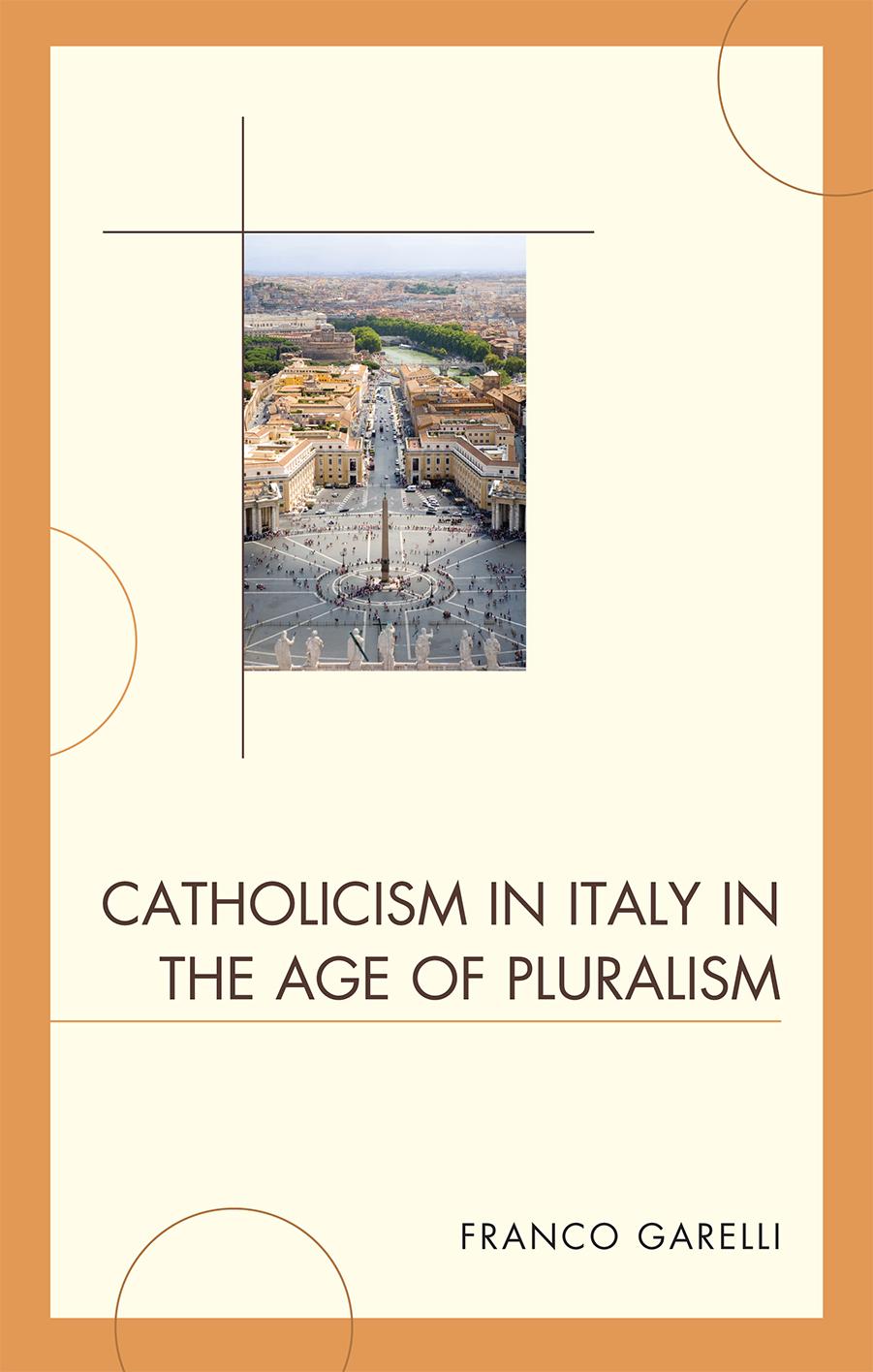
Religious pluralism is increasing due to progressively more culturally interactive societies and an escalating exchange of migrants. Nevertheless, as this book shows, the situation in Italy is characterized by several distinct features. Statistically, the level of religiosity is noticeably higher than in other European countries, and the majority of the population declares itself Catholic. Within the Catholic world, however, there are distinct differences in the ways and forms of believing, ranging from the convinced and active faithful to the "occasional" believer, or the development of new forms of "Catholic." Catholic sentiment endures although many believers may not agree with the ethical indications of the ecclesiastical hierarchy.
Furthermore, the Church and Catholic groups have reinforced their presence in the public sphere by participating in various campaigns to reassert Christian values on fundamental issues for civil harmony, from the family to bioethics, the limitations of science to the goals of economic development, religious freedom to the secular State, national identity to global equilibriums, and more. The Church therefore moves at various levels in order to keep the nation closely tied to Catholic culture-a commitment which is both applauded and criticized. Some non-believers express appreciation for the Catholic campaigns set out to counteract the lack of values and loss of memory typical of advanced modernity. However, in the non-believing secular world many more criticize the Catholic presence for acting as a lobby in Italian society, accusing the Italian Church of excessive alignment to the diktat issued by the Vatican.
The particularity of the Italian case poses unique questions to those who study social phenomena. Why is the Catholic Church in Italy experiencing a period of such vitality in the public sphere? How can this situation be reconciled with the undisputed advance of secularization? And what kind of organizational problems does the assertive dynamism of Italian Catholicis
Furthermore, the Church and Catholic groups have reinforced their presence in the public sphere by participating in various campaigns to reassert Christian values on fundamental issues for civil harmony, from the family to bioethics, the limitations of science to the goals of economic development, religious freedom to the secular State, national identity to global equilibriums, and more. The Church therefore moves at various levels in order to keep the nation closely tied to Catholic culture-a commitment which is both applauded and criticized. Some non-believers express appreciation for the Catholic campaigns set out to counteract the lack of values and loss of memory typical of advanced modernity. However, in the non-believing secular world many more criticize the Catholic presence for acting as a lobby in Italian society, accusing the Italian Church of excessive alignment to the diktat issued by the Vatican.
The particularity of the Italian case poses unique questions to those who study social phenomena. Why is the Catholic Church in Italy experiencing a period of such vitality in the public sphere? How can this situation be reconciled with the undisputed advance of secularization? And what kind of organizational problems does the assertive dynamism of Italian Catholicis
Seiten: 150
Kategorie: Religion & Teologi
e-ISBN: 9780739141137
Versandgewicht: 1.2 kg
Versand in: 1-2 Tage
Zahle einfach mit Karte, Klarna, Apple Pay oder Google Pay. Nicht zufrieden? Du hast immer ein 14-tägiges Widerrufsrecht. Lies mehr in unseren AGB. Hast du Fragen, schreib uns eine E-Mail an hello@memmo.org.
Memmo macht das Lernen einfacher – wo auch immer du bist. Bei uns findest du deine Kursbücher und smarte Lerntools an einem Ort: Zusammenfassungen, Quizzes, Podcasts und Lernkarten. Und Ted, dein Lernbuddy, beantwortet alles, was du wissen möchtest. Über 50.000 Studierende lernen bereits hier – gemacht, damit du schneller lernst und weniger Stress hast.