
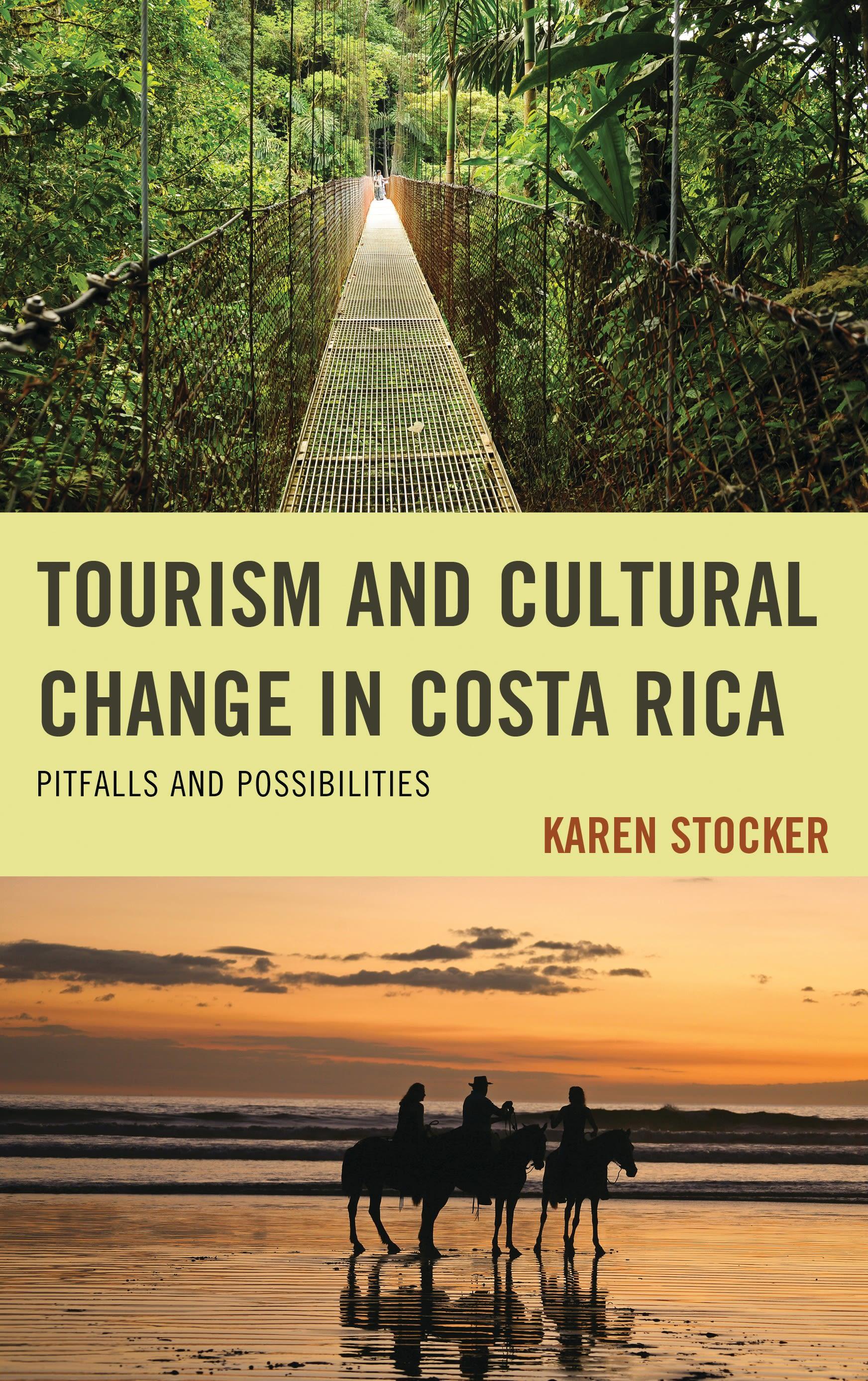
This book examines the consequences—positive, negative, and otherwise—of tourism in Costa Rica. Based on ethnographic research and interviews with tourists, tour operators, tourists-turned-settlers, and locals living in tourist destinations, this book brings together these varied perspectives with the aim of presenting forms of tourism beneficial to all parties. To examine both pitfalls and positive outcomes of tourism, it compares modes of tourism in destinations that are locally owned and foreign owned, ecotourism destinations, beach tourism, adventure tourism sites, and agrotourism projects. Furthermore, the author draws from two decades of research in two distinct communities to trace the ways in which the development of tourism in one community provided the springboard for changing gender roles and new opportunities for women, and, in the other, how the promise of tourism has spurred a cultural revitalization and positive change in Indigenous identity.
Interviews with three generations of women in one tourist destination show generational changes in perspectives on tourism, and interviews covering the same time span show how in an Indigenous reservation poised to enter the heritage tourism industry, tourism offers a positive alternative to exploitative forms of labor and the stigma once associated with Indigeneity in that region. Interviews with locals in all four sites reveal the ways in which tourism carried out conscientiously would benefit them. These, juxtaposed with interviews of tourists regarding what they seek through tourism, offer a means of designing a mutually beneficial form of tourism. In sum, this book puts into conversation the varied views of those positioned differently within the realm of tourism in order to inform tourists and foreign land owners as to how they might glean the advantages that such an experience may bring to the traveler, while also playing up the benefits of these endeavors to local communities, and minimizing the potential damage these practices may cause.
Interviews with three generations of women in one tourist destination show generational changes in perspectives on tourism, and interviews covering the same time span show how in an Indigenous reservation poised to enter the heritage tourism industry, tourism offers a positive alternative to exploitative forms of labor and the stigma once associated with Indigeneity in that region. Interviews with locals in all four sites reveal the ways in which tourism carried out conscientiously would benefit them. These, juxtaposed with interviews of tourists regarding what they seek through tourism, offer a means of designing a mutually beneficial form of tourism. In sum, this book puts into conversation the varied views of those positioned differently within the realm of tourism in order to inform tourists and foreign land owners as to how they might glean the advantages that such an experience may bring to the traveler, while also playing up the benefits of these endeavors to local communities, and minimizing the potential damage these practices may cause.
Seiten: 330
Kategorie: Samhällsvetenskap
e-ISBN: 9780739140239
Versandgewicht: 1.2 kg
Versand in: 1-2 Tage
Zahle einfach mit Karte, Klarna, Apple Pay oder Google Pay. Nicht zufrieden? Du hast immer ein 14-tägiges Widerrufsrecht. Lies mehr in unseren AGB. Hast du Fragen, schreib uns eine E-Mail an hello@memmo.org.
Memmo macht das Lernen einfacher – wo auch immer du bist. Bei uns findest du deine Kursbücher und smarte Lerntools an einem Ort: Zusammenfassungen, Quizzes, Podcasts und Lernkarten. Und Ted, dein Lernbuddy, beantwortet alles, was du wissen möchtest. Über 50.000 Studierende lernen bereits hier – gemacht, damit du schneller lernst und weniger Stress hast.