
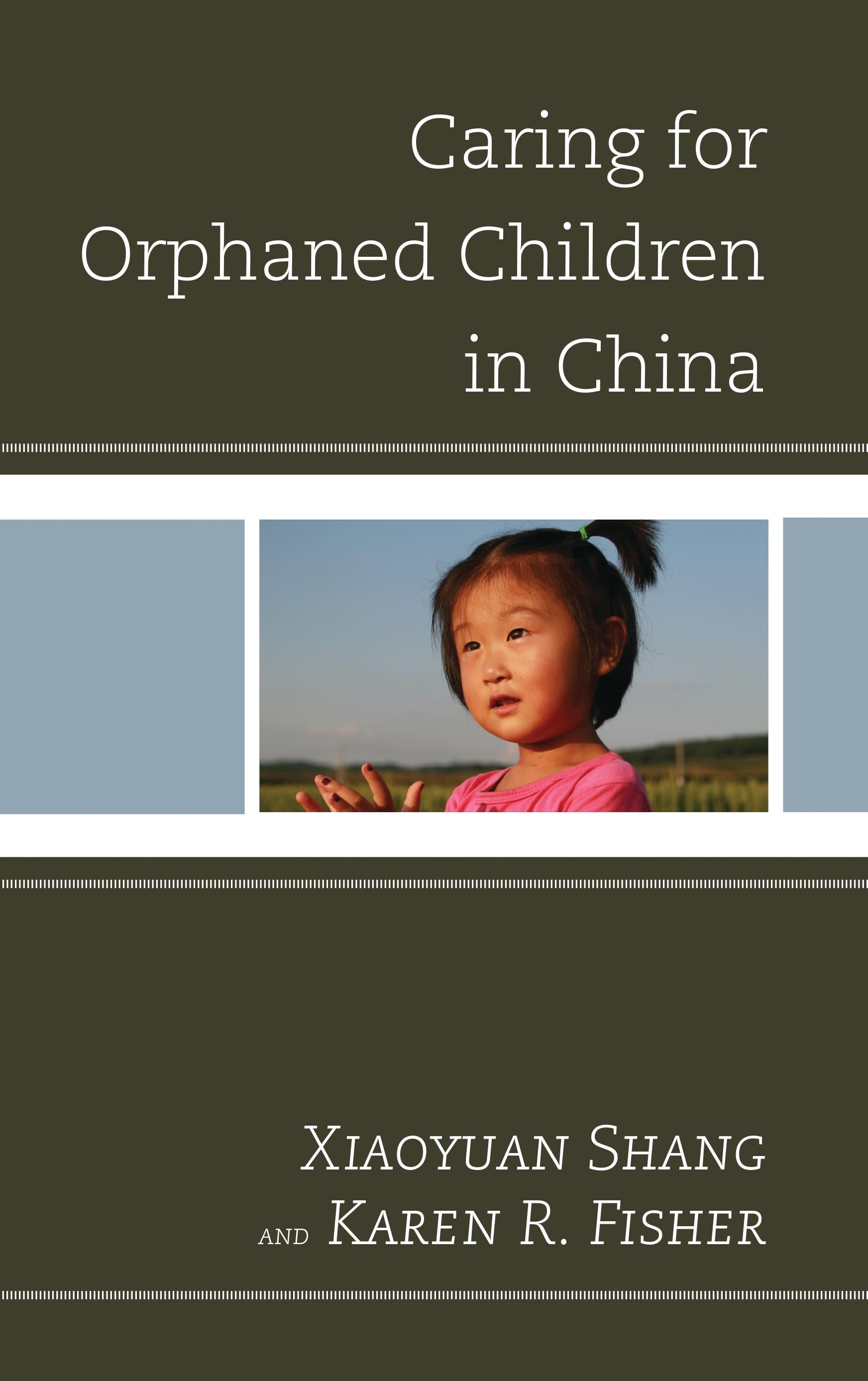
International media regularly features horrific stories about Chinese orphanages, especially when debating international adoption and human rights. Much of the popular information is dated and ill-informed about the experiences of most orphans in China today, Chinese government policy, and improvements evident in parts of China. Informal kinship care is the most common support for the orphaned children. The state supports orphans and abandoned children whose parents and relatives cannot be found or contacted.
The book explores concrete examples about the changing experiences and future directions of Chinese child welfare policy. It is about the support to disadvantaged children, including abandoned children in the care of the state, most of whom have disabilities; HIV affected children; and orphans in kinship care. It identifies how many orphans are in China, how they are supported, the extent to which their rights are met, and what efforts are made to improve their rights and welfare provision.
When our research about Chinese orphans started in 2001, these children were almost entirely voiceless. Since then, the Chinese government has committed to improving child welfare. We argue that a mixed welfare system, in which state provision supplements family and community care, is an effective direction to improve support for orphaned children. Government needs to take responsibility to guarantee orphans’ rights as children, and support family networks to provide care so that children can grow up in their own communities.
The book contributes to academic and policy understanding of the steps that have been taken and are still required to achieve the goal of a child welfare system in China that meets the rights of orphans to live and thrive with other children in a family.
The book explores concrete examples about the changing experiences and future directions of Chinese child welfare policy. It is about the support to disadvantaged children, including abandoned children in the care of the state, most of whom have disabilities; HIV affected children; and orphans in kinship care. It identifies how many orphans are in China, how they are supported, the extent to which their rights are met, and what efforts are made to improve their rights and welfare provision.
When our research about Chinese orphans started in 2001, these children were almost entirely voiceless. Since then, the Chinese government has committed to improving child welfare. We argue that a mixed welfare system, in which state provision supplements family and community care, is an effective direction to improve support for orphaned children. Government needs to take responsibility to guarantee orphans’ rights as children, and support family networks to provide care so that children can grow up in their own communities.
The book contributes to academic and policy understanding of the steps that have been taken and are still required to achieve the goal of a child welfare system in China that meets the rights of orphans to live and thrive with other children in a family.
Zahle einfach mit Karte, Klarna, Apple Pay oder Google Pay. Nicht zufrieden? Du hast immer ein 14-tägiges Widerrufsrecht. Lies mehr in unseren AGB. Hast du Fragen, schreib uns eine E-Mail an hello@memmo.org.
Memmo macht das Lernen einfacher – wo auch immer du bist. Bei uns findest du deine Kursbücher und smarte Lerntools an einem Ort: Zusammenfassungen, Quizzes, Podcasts und Lernkarten. Und Ted, dein Lernbuddy, beantwortet alles, was du wissen möchtest. Über 50.000 Studierende lernen bereits hier – gemacht, damit du schneller lernst und weniger Stress hast.