
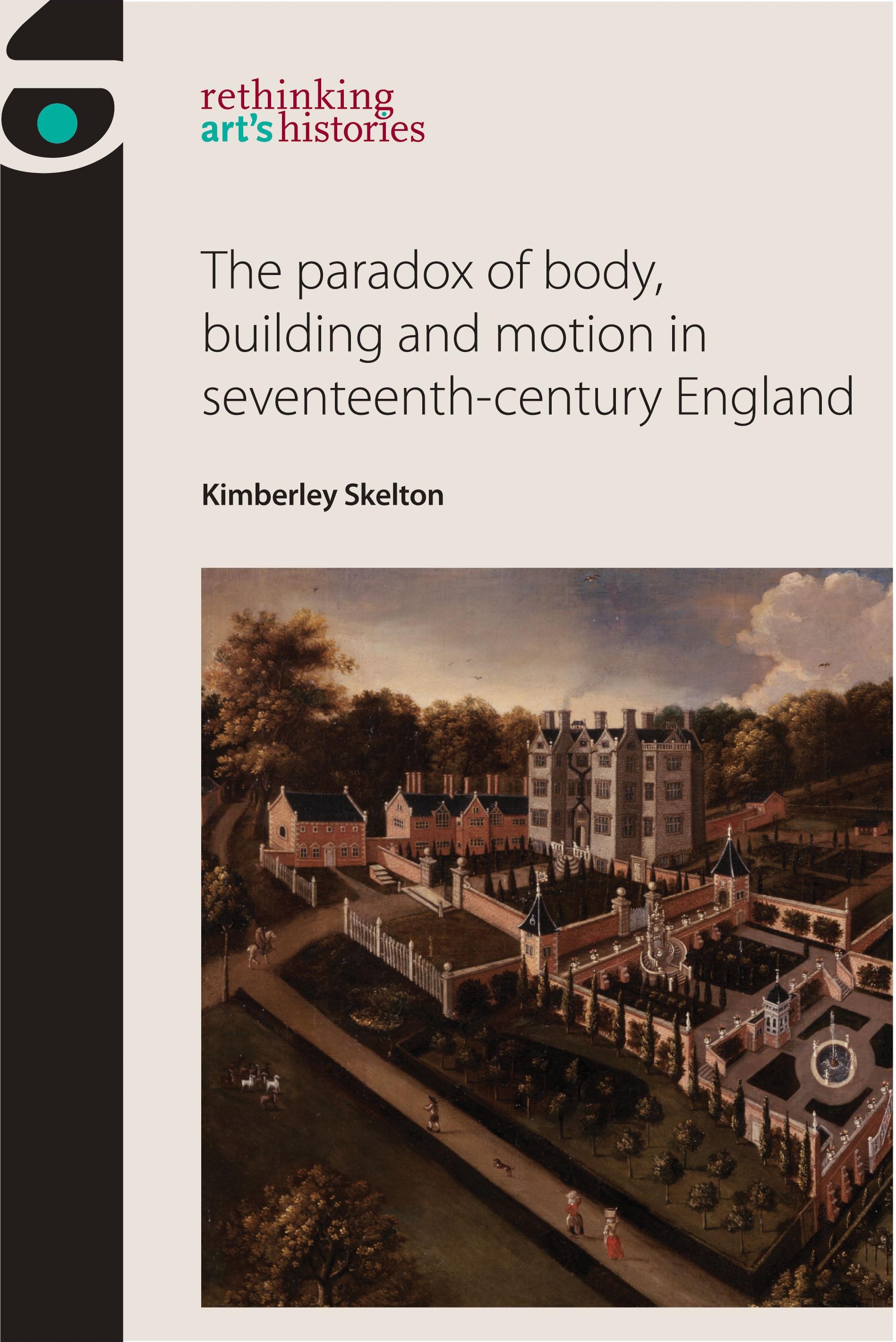
This book examines how seventeenth-century English architectural theorists and designers rethought the domestic built environment in terms of mobility, as motion became a dominant mode of articulating the world across discourses encompassing philosophy, political theory, poetry, and geography. From mid-century, the house and estate that had evoked staccato rhythms became triggers for mental and physical motion – evoking travel beyond England’s shores, displaying vistas, and showcasing changeable wall surfaces. Simultaneously, philosophers and other authors argued for the first time that, paradoxically, the blur of motion immobilised an inherently restless viewer into social predictability and so stability. Alternately feared and praised early in the century for its unsettling unpredictability, motion became the most certain way of comprehending social interactions, language, time, and the buildings that filtered human experience. At the heart of this narrative is the malleable sensory viewer, tacitly assumed in early modern architectural theory and history yet whose inescapable responsiveness to surrounding stimuli guaranteed a dependable world from the seventeenth century.
Zahle einfach mit Karte, Klarna, Apple Pay oder Google Pay. Nicht zufrieden? Du hast immer ein 14-tägiges Widerrufsrecht. Lies mehr in unseren AGB. Hast du Fragen, schreib uns eine E-Mail an hello@memmo.org.
Memmo macht das Lernen einfacher – wo auch immer du bist. Bei uns findest du deine Kursbücher und smarte Lerntools an einem Ort: Zusammenfassungen, Quizzes, Podcasts und Lernkarten. Und Ted, dein Lernbuddy, beantwortet alles, was du wissen möchtest. Über 50.000 Studierende lernen bereits hier – gemacht, damit du schneller lernst und weniger Stress hast.
Das könnte dir auch gefallen
Buch kaufen0