
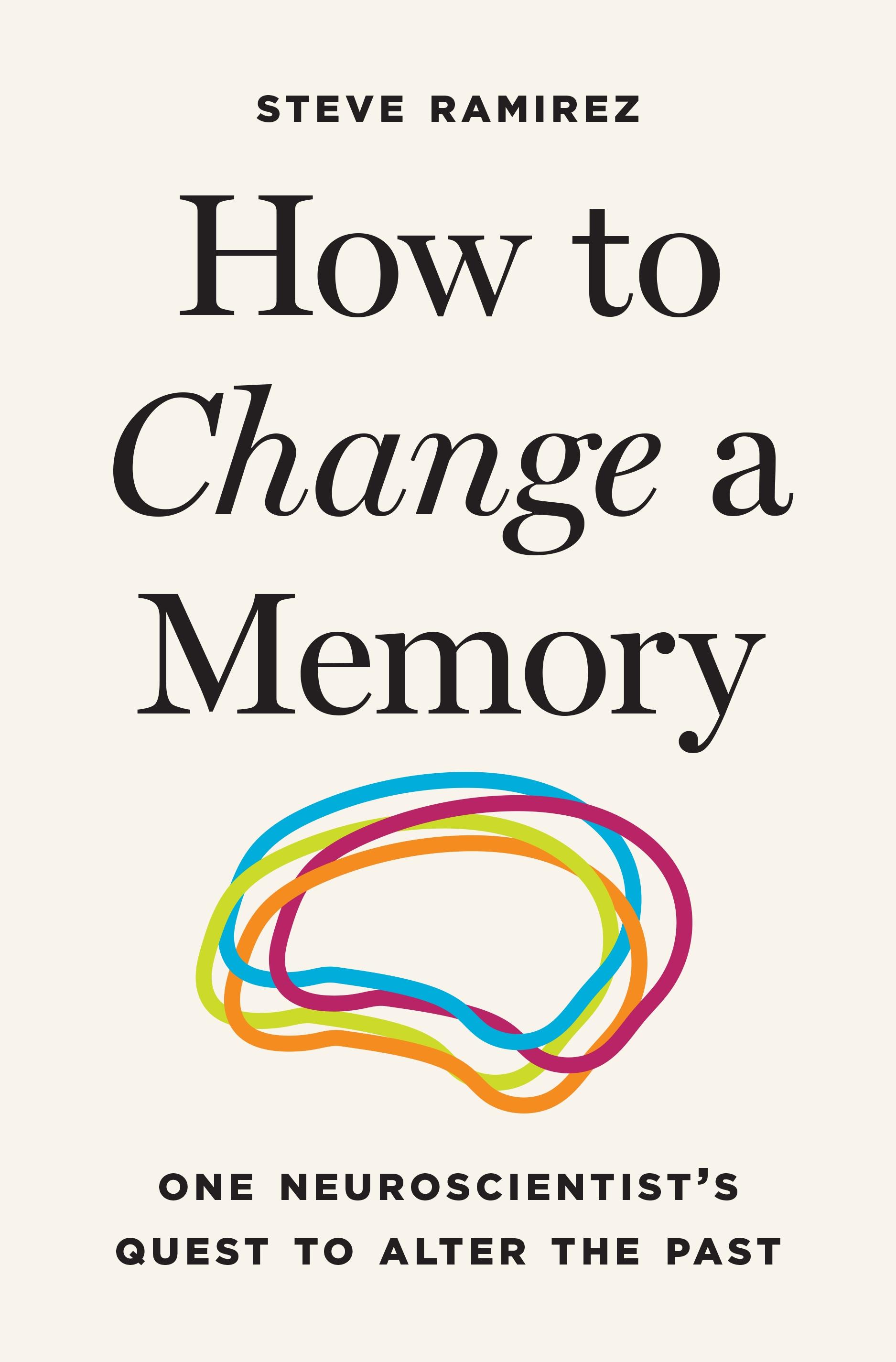
A disarmingly personal account of the new science of memory manipulation by one of today’s leading pioneers in the field
As a graduate student at MIT, Steve Ramirez successfully created false memories in the lab. Now, as a neuroscientist working at the frontiers of brain science, he foresees a future where we can replace our negative memories with positive ones. In How to Change a Memory, Ramirez draws on his own memories—of friendship, family, loss, and recovery—to reveal how memory can be turned on and off like a switch, edited, and even constructed from nothing.
A future in which we can change our memories of the past may seem improbable, but in fact, the everyday act of remembering is one of transformation. Intentionally editing memory to improve our lives takes advantage of the brain’s natural capacity for change.
In How to Change a Memory, Ramirez explores how scientists discovered that memories are fluid—they change over time, can be erased, reactivated, and even falsely implanted in the lab. Reflecting on his own path as a scientist, he examines how memory manipulation shapes our imagination and sense of self. If we can erase a deeply traumatic memory, would it change who we are? And what would that change mean anyway? Throughout, Ramirez carefully considers the ethics of artificially controlling memory, exploring how we might use this tool responsibly—for both personal healing and the greater good.
A masterful blend of memoir and cutting-edge science, How to Change a Memory explores how neuroscience has reached a critical juncture, where scientists can see the potential of memory manipulation to help people suffering from the debilitating effects of PTSD, anxiety, Alzheimer’s, addiction, and a host of other neurological and behavioral disorders.
Zahle einfach mit Karte, Klarna, Apple Pay oder Google Pay. Nicht zufrieden? Du hast immer ein 14-tägiges Widerrufsrecht. Lies mehr in unseren AGB. Hast du Fragen, schreib uns eine E-Mail an hello@memmo.org.
Memmo macht das Lernen einfacher – wo auch immer du bist. Bei uns findest du deine Kursbücher und smarte Lerntools an einem Ort: Zusammenfassungen, Quizzes, Podcasts und Lernkarten. Und Ted, dein Lernbuddy, beantwortet alles, was du wissen möchtest. Über 50.000 Studierende lernen bereits hier – gemacht, damit du schneller lernst und weniger Stress hast.