
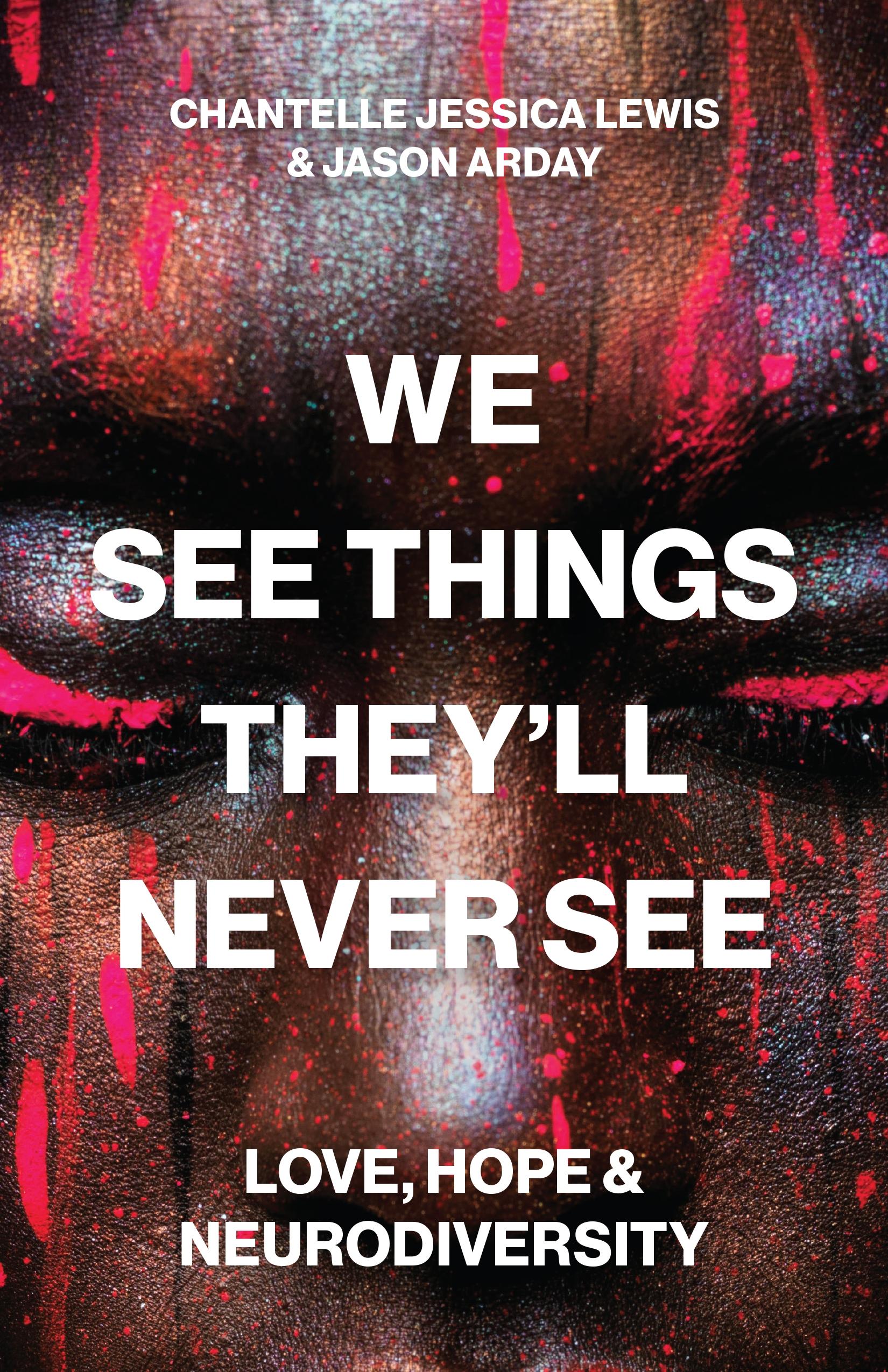
How neurotypical hegemony reproduces a culture of exclusion—and how to overcome this with love, hope, and solidarity
Ableism is embedded in our daily lives. Social life, education, work, and, especially, mental health have been organized around rigid ideas of the “ideal” and the “normal” citizen—ideas that always exclude neurodiversity. In this pathbreaking book, Chantelle Jessica Lewis and Jason Arday argue that the neurodiversity movement offers ways to mobilize against not only ableism but also other “isms” including racism and capitalism. By focusing on the prevalence of neurotypical dominance and power—or “neurotypical hegemony”—Lewis and Arday show the ways that neurotypical dominance has often been used to justify and normalize some of our more harmful cultures around productivity and value.
Throughout the book, Lewis and Arday use theories of Blackness, feminism, class, and neurodivergence to offer a vision of solidarities across differences. They show that race, class, ethnicity, gender, and nation are just some of the social structures for which the politics of neurodiversity can produce an emancipatory analysis. This is a book about applying social theory in practice, taking seriously how academic research and theory can be used outside of academic spaces. With We See Things They’ll Never See, Lewis and Arday issue a call to action—and a call for understanding, acceptance, and humility.
Zahle einfach mit Karte, Klarna, Apple Pay oder Google Pay. Nicht zufrieden? Du hast immer ein 14-tägiges Widerrufsrecht. Lies mehr in unseren AGB. Hast du Fragen, schreib uns eine E-Mail an hello@memmo.org.
Memmo macht das Lernen einfacher – wo auch immer du bist. Bei uns findest du deine Kursbücher und smarte Lerntools an einem Ort: Zusammenfassungen, Quizzes, Podcasts und Lernkarten. Und Ted, dein Lernbuddy, beantwortet alles, was du wissen möchtest. Über 50.000 Studierende lernen bereits hier – gemacht, damit du schneller lernst und weniger Stress hast.