
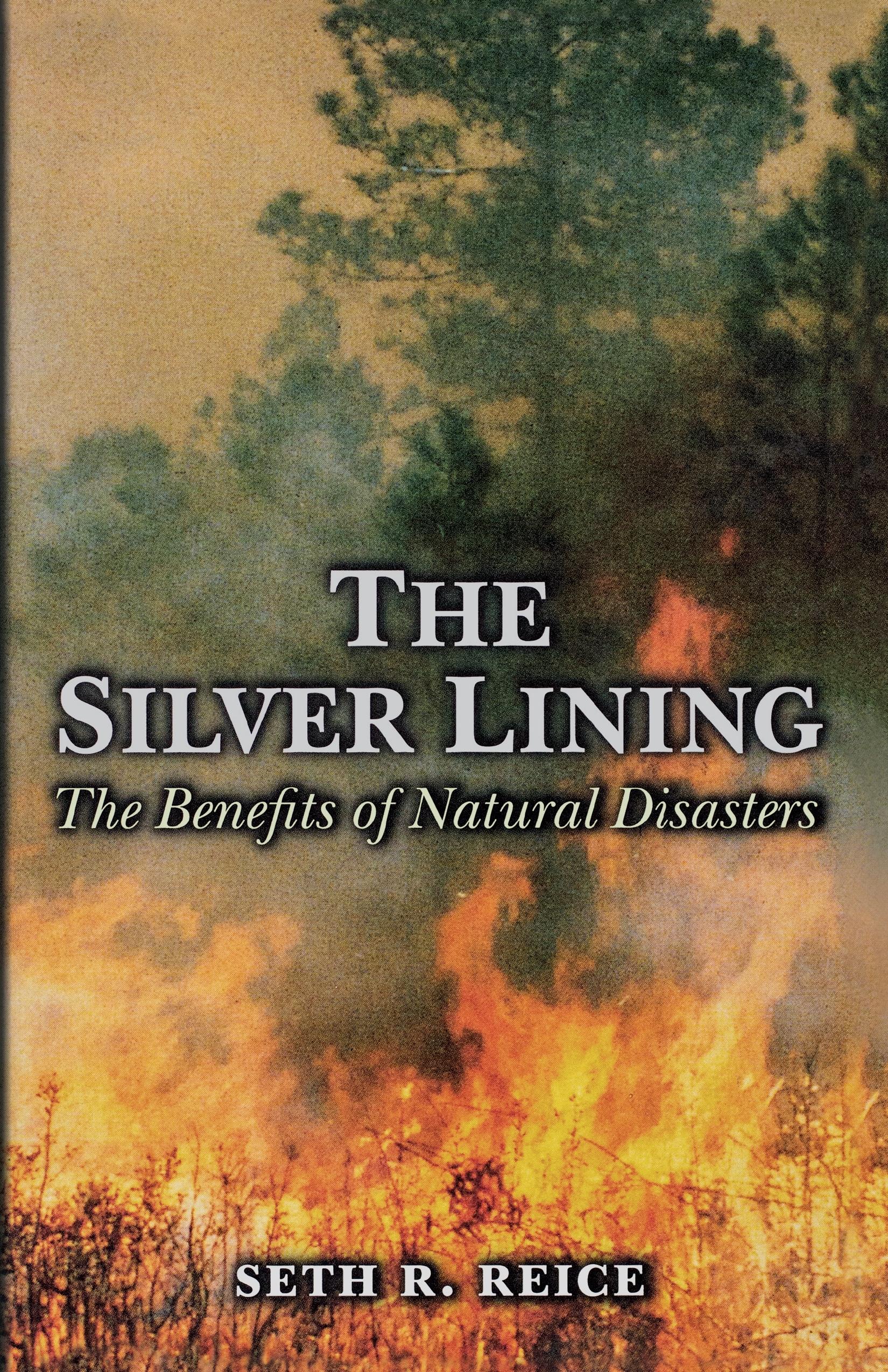
Floods, fires, volcanic eruptions, earthquakes, hurricanes--we are quick to call them ''natural disasters.'' But are they? Did the great fires that swept Yellowstone in 1988 devastate the park, or did they just ravage our image of the park as a fixed, unchanging national treasure? This lucid, lively book reveals the shortsightedness behind conceiving of such events as disastrous to nature. Indeed, Seth Reice contends, such thinking has led to policies that have done the environment more harm than good--the U.S. Forest Service's campaign against natural forest fires and the Army Corps of Engineers' flood prevention program are examples. He points out ways in which we can better address the wide range of environmental problems humanity faces at the dawn of the new millennium.
Reice argues, in terms refreshingly nontechnical yet scientifically sound, that the traditional, equilibrium paradigm--according to which ''stability'' produces healthier ecosystems than does sudden, sweeping change--is fundamentally flawed. He describes a radically different model of how nature operates, one that many ecologists and population biologists have come to understand in recent years: a concept founded on the premise that disturbances help create and maintain the biodiversity that benefits both the ecosystem and ourselves. Reice demonstrates that ecosystems need disturbances to accomplish indispensable tasks such as the production of clean air and water. He recommends changes in environmental management to incorporate the essential role of natural disturbances.
This book shows that every tornado's funnel cloud, every forest fire's billowing cloud of smoke, has tremendous benefits for the ecosystem it impacts. As anyone concerned with man's impact on the environment will appreciate, this is the cloud's real silver lining.
Zahle einfach mit Karte, Klarna, Apple Pay oder Google Pay. Nicht zufrieden? Du hast immer ein 14-tägiges Widerrufsrecht. Lies mehr in unseren AGB. Hast du Fragen, schreib uns eine E-Mail an hello@memmo.org.
Memmo macht das Lernen einfacher – wo auch immer du bist. Bei uns findest du deine Kursbücher und smarte Lerntools an einem Ort: Zusammenfassungen, Quizzes, Podcasts und Lernkarten. Und Ted, dein Lernbuddy, beantwortet alles, was du wissen möchtest. Über 50.000 Studierende lernen bereits hier – gemacht, damit du schneller lernst und weniger Stress hast.