
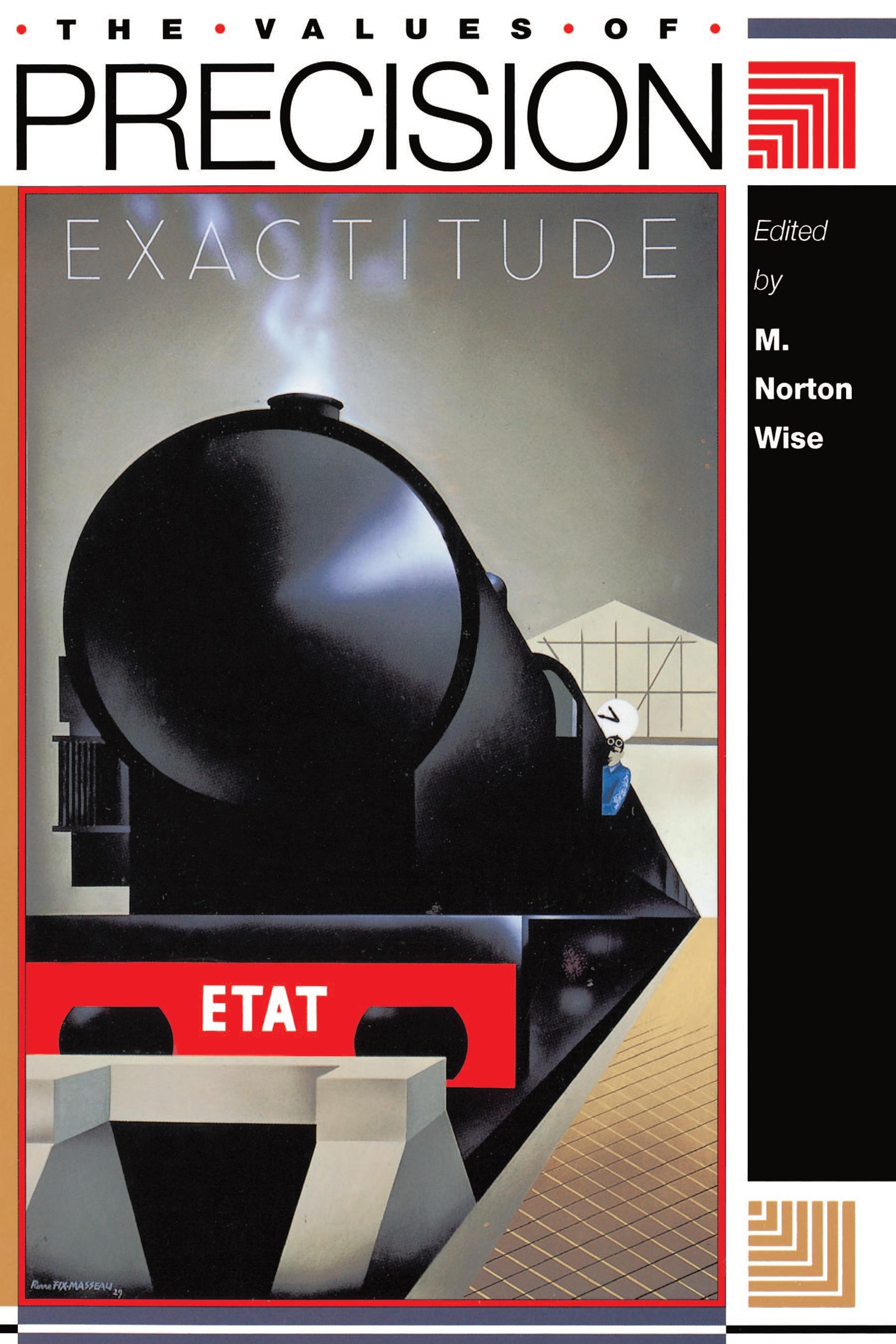
The Values of Precision examines how exactitude has come to occupy such a prominent place in Western culture. What has been the value of numerical values? Beginning with the late eighteenth century and continuing into the twentieth, the essays in this volume support the view that centralizing states--with their increasingly widespread bureaucracies for managing trade, taxation, and armies--and large-scale commercial enterprises--with their requirements for standardization and mass production--have been the major promoters of numerical precision. Taking advantage of the resources available, scientists and engineers have entered a symbiotic relationship with state and industry, which in turn has led to increasingly refined measures in ever-widening domains of the natural and social world. At the heart of this book, therefore, is an inquiry into the capacity of numbers and instruments to travel across boundaries of culture and materials.
Many of the papers focus attention on disagreements about the significance and the credibility of particular sorts of measurements deployed to support particular claims, as in the measures of the population of France, the electrical resistance of copper, or the solvency of insurance companies. At the same time they display the deeply cultural character of precision values. Contributors to the volume include Ken Alder, Graeme J. N. Gooday, Jan Golinski, Frederic L. Holmes, Kathryn M. Olesko, Theodore M. Porter, Andrea Rusnock, Simon Schaffer, George Sweetnam, Andrew Warwick, and M. Norton Wise.
Zahle einfach mit Karte, Klarna, Apple Pay oder Google Pay. Nicht zufrieden? Du hast immer ein 14-tägiges Widerrufsrecht. Lies mehr in unseren AGB. Hast du Fragen, schreib uns eine E-Mail an hello@memmo.org.
Memmo macht das Lernen einfacher – wo auch immer du bist. Bei uns findest du deine Kursbücher und smarte Lerntools an einem Ort: Zusammenfassungen, Quizzes, Podcasts und Lernkarten. Und Ted, dein Lernbuddy, beantwortet alles, was du wissen möchtest. Über 50.000 Studierende lernen bereits hier – gemacht, damit du schneller lernst und weniger Stress hast.