
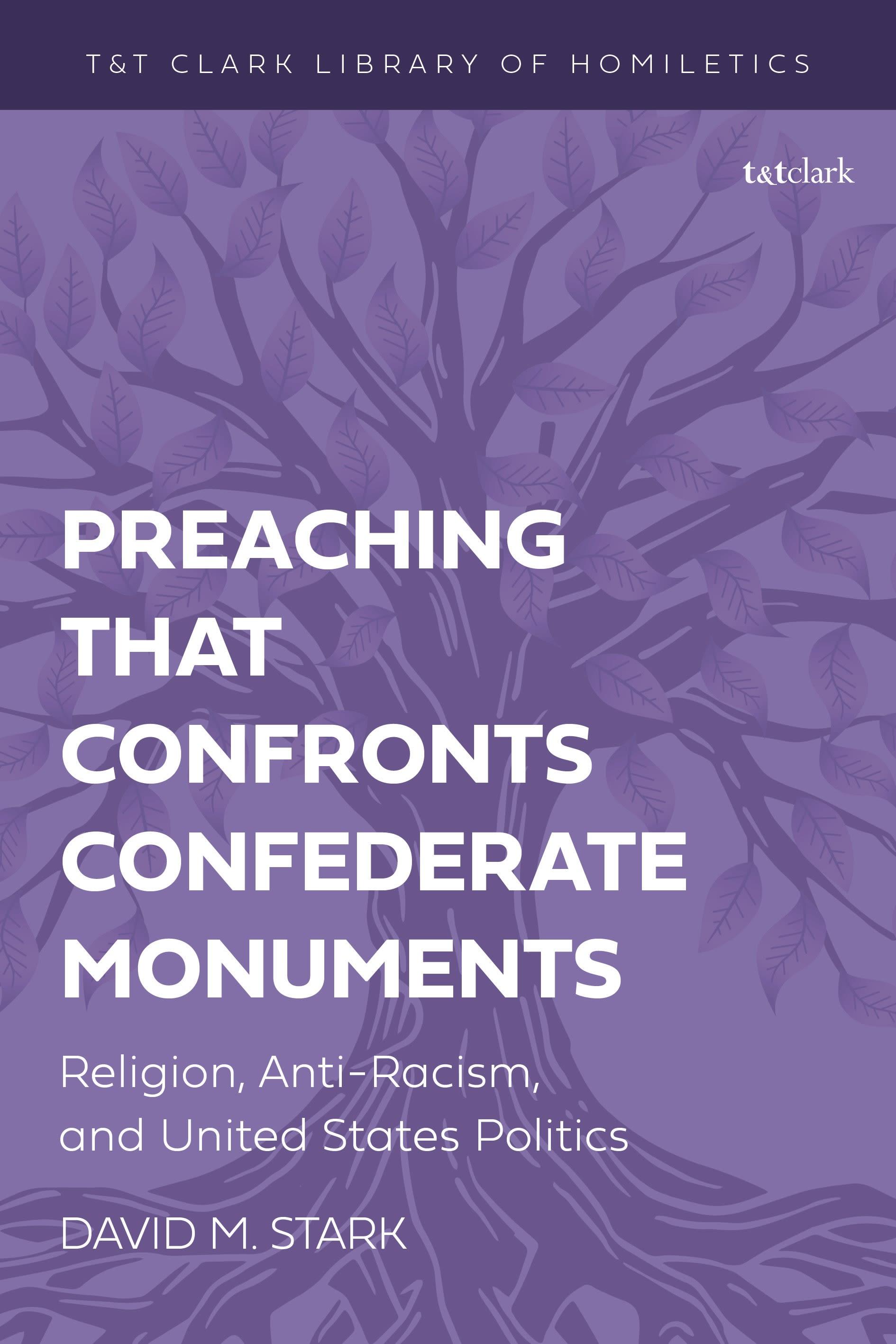
Confederate monuments preach-at times subtly, at other times overtly-about who we are, who God is, and how we should live together. David M. Stark looks at the way many Confederate monuments provided ongoing opportunities for commemorative speeches and ceremonies that would entrench racist and white supremacist ideologies in the American South.
Stark examines key speeches and proclamations given around monuments to the Lost Cause, such as Julian Carr's Silent Sam speech (1913), and Archer Anderson's speech at the dedication of a monument to Robert E. Lee (1890), reading these as theological and homiletic moments. Stark then moves on to construct a homiletic that can confront such monuments and the racist preaching ideologies around them.
In developing this counter-homiletic, Stark analyzes the preaching strategies written into Confederate monuments and highlights best practices from recent counter-proclamations that deconstruct the troubling rhetoric and theology of Confederate monument dedication speeches. Finally, Stark presents insights from naming commission reports and clergy interviews about the values, mission, and leadership needed to work for ongoing change.
Stark examines key speeches and proclamations given around monuments to the Lost Cause, such as Julian Carr's Silent Sam speech (1913), and Archer Anderson's speech at the dedication of a monument to Robert E. Lee (1890), reading these as theological and homiletic moments. Stark then moves on to construct a homiletic that can confront such monuments and the racist preaching ideologies around them.
In developing this counter-homiletic, Stark analyzes the preaching strategies written into Confederate monuments and highlights best practices from recent counter-proclamations that deconstruct the troubling rhetoric and theology of Confederate monument dedication speeches. Finally, Stark presents insights from naming commission reports and clergy interviews about the values, mission, and leadership needed to work for ongoing change.
Zahle einfach mit Karte, Klarna, Apple Pay oder Google Pay. Nicht zufrieden? Du hast immer ein 14-tägiges Widerrufsrecht. Lies mehr in unseren AGB. Hast du Fragen, schreib uns eine E-Mail an hello@memmo.org.
Memmo macht das Lernen einfacher – wo auch immer du bist. Bei uns findest du deine Kursbücher und smarte Lerntools an einem Ort: Zusammenfassungen, Quizzes, Podcasts und Lernkarten. Und Ted, dein Lernbuddy, beantwortet alles, was du wissen möchtest. Über 50.000 Studierende lernen bereits hier – gemacht, damit du schneller lernst und weniger Stress hast.