
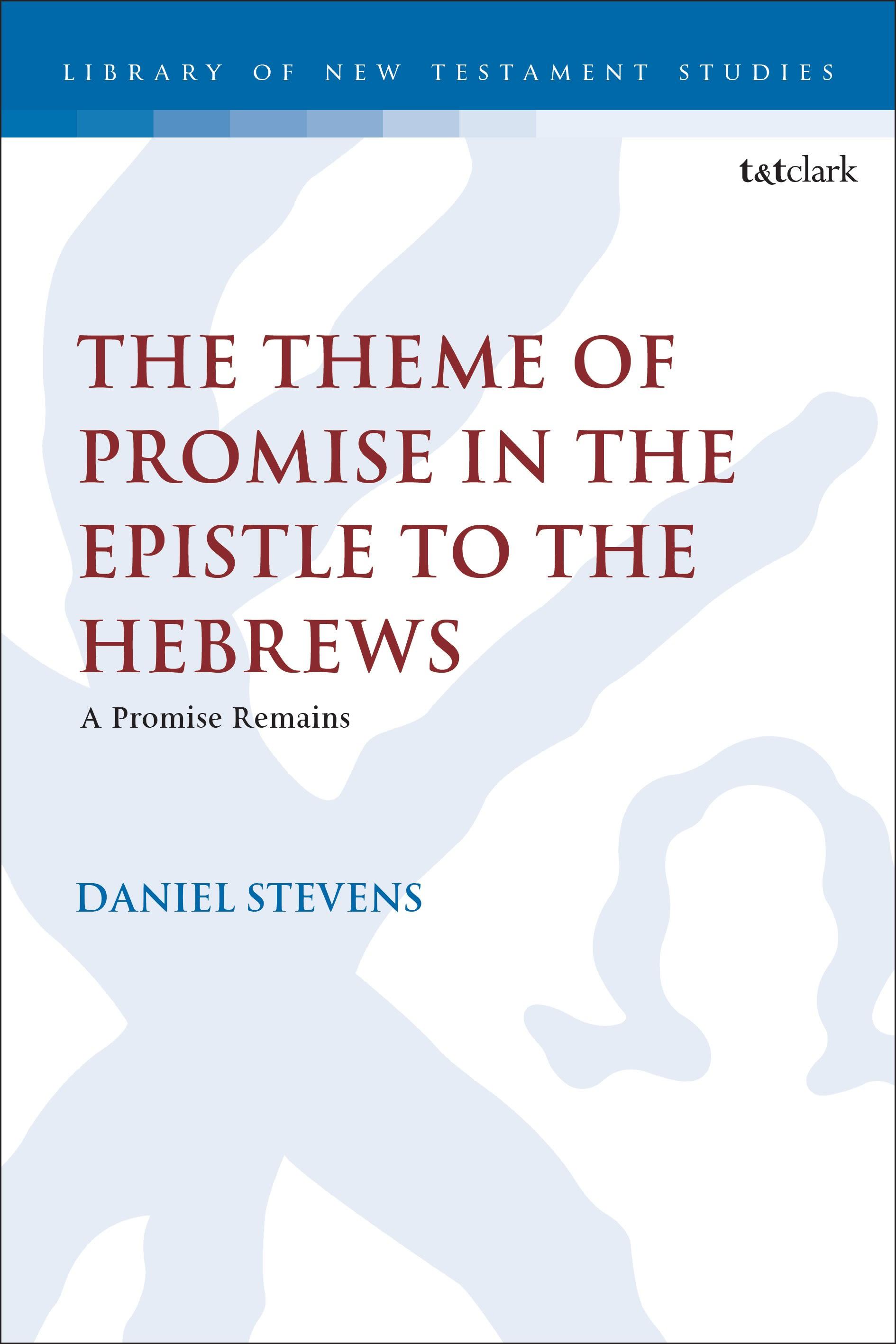
Daniel Stevens analyses the use of the language of divine commitment in the Epistle to the Hebrews, arguing that the author distinguishes promise from the cultic language of covenant to sketch a unique mixture of continuity and discontinuity among the people of God across time.
Stevens stresses through an exegesis of relevant passages that rest is not the primary content of promise, nor is it the primary lens through which the other instances of promise language should be understood; suggesting instead that the promise is most closely associated with the benefits promised to Abraham, and then mediated through the various subsequent covenants. He further explores how the divine promise relates to both the Old and New Covenants, arguing that Hebrews develops a view of salvation history in which covenants are founded upon promises and then bring those promises to fruition. By demonstrating the ways in which this understanding of promise sheds light on the author's hermeneutic and on his method of achieving his hortatory purposes for the epistle, Stevens concludes in a reassertion of the consistency of the author's thought regarding promise.
Stevens stresses through an exegesis of relevant passages that rest is not the primary content of promise, nor is it the primary lens through which the other instances of promise language should be understood; suggesting instead that the promise is most closely associated with the benefits promised to Abraham, and then mediated through the various subsequent covenants. He further explores how the divine promise relates to both the Old and New Covenants, arguing that Hebrews develops a view of salvation history in which covenants are founded upon promises and then bring those promises to fruition. By demonstrating the ways in which this understanding of promise sheds light on the author's hermeneutic and on his method of achieving his hortatory purposes for the epistle, Stevens concludes in a reassertion of the consistency of the author's thought regarding promise.
Seiten: 192
Kategorie: Religion & Teologi
e-ISBN: 9780567717771
Versandgewicht: 1.2 kg
Versand in: 1-2 Tage
Zahle einfach mit Karte, Klarna, Apple Pay oder Google Pay. Nicht zufrieden? Du hast immer ein 14-tägiges Widerrufsrecht. Lies mehr in unseren AGB. Hast du Fragen, schreib uns eine E-Mail an hello@memmo.org.
Memmo macht das Lernen einfacher – wo auch immer du bist. Bei uns findest du deine Kursbücher und smarte Lerntools an einem Ort: Zusammenfassungen, Quizzes, Podcasts und Lernkarten. Und Ted, dein Lernbuddy, beantwortet alles, was du wissen möchtest. Über 50.000 Studierende lernen bereits hier – gemacht, damit du schneller lernst und weniger Stress hast.